 July 27 births include that of Samuel Smith (1872; pictured), an American who served as a captain, major, and lieutenant colonel in the Continental Army, and later as a politician in several capacities in the state of Maryland; Hillaire Belloc (1870), author of a classic analysis of modern political governance, The Servile State; and American singer and songwriter Bobbie Gentry (1944).
On July 27, 1694, the Bank of England received a royal charter, beginning a long history of central banking in England. Subsequent inflationary booms and deflationary busts are subsequently considered “mysterious” by people connected with the bank.
On this day in 1974, the U.S. House of Representatives Judiciary Committee voted 27 to 11 to recommend the first article of impeachment (for obstruction of justice) against President Richard Nixon.
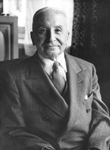 Government cannot create anything; its orders cannot even evict anything from the world of reality, but they can evict from the world of the permissible. Government cannot make man richer, but it can make him poorer.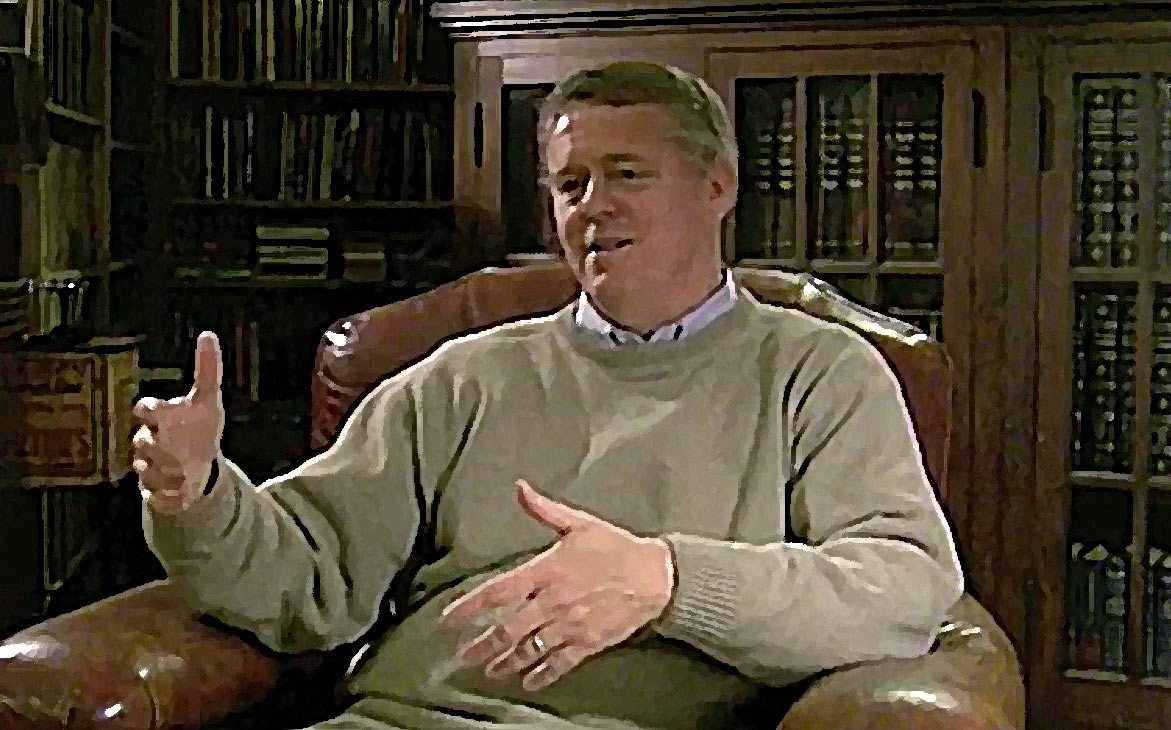
 The advantages which freedom brings are only shown by the lapse of time; and it is always easy to mistake the cause in which they originate.
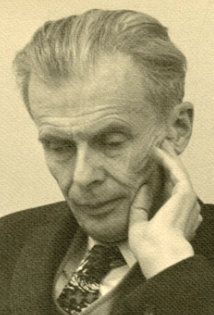 Every man’s memory is his private literature.
 Freedom is essentially a condition of inequality, not equality. It recognizes as a fact of nature the structural differences inherent in man — in temperament, character, and capacity — and it respects those differences. We are not alike and no law can make us so.