“Any man can learn anything he will, but no man can teach except to those who want to learn.”
Henry Ford, January 1, 1924
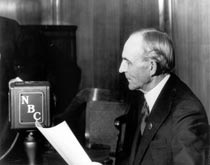
“Any man can learn anything he will, but no man can teach except to those who want to learn.”
Henry Ford, January 1, 1924
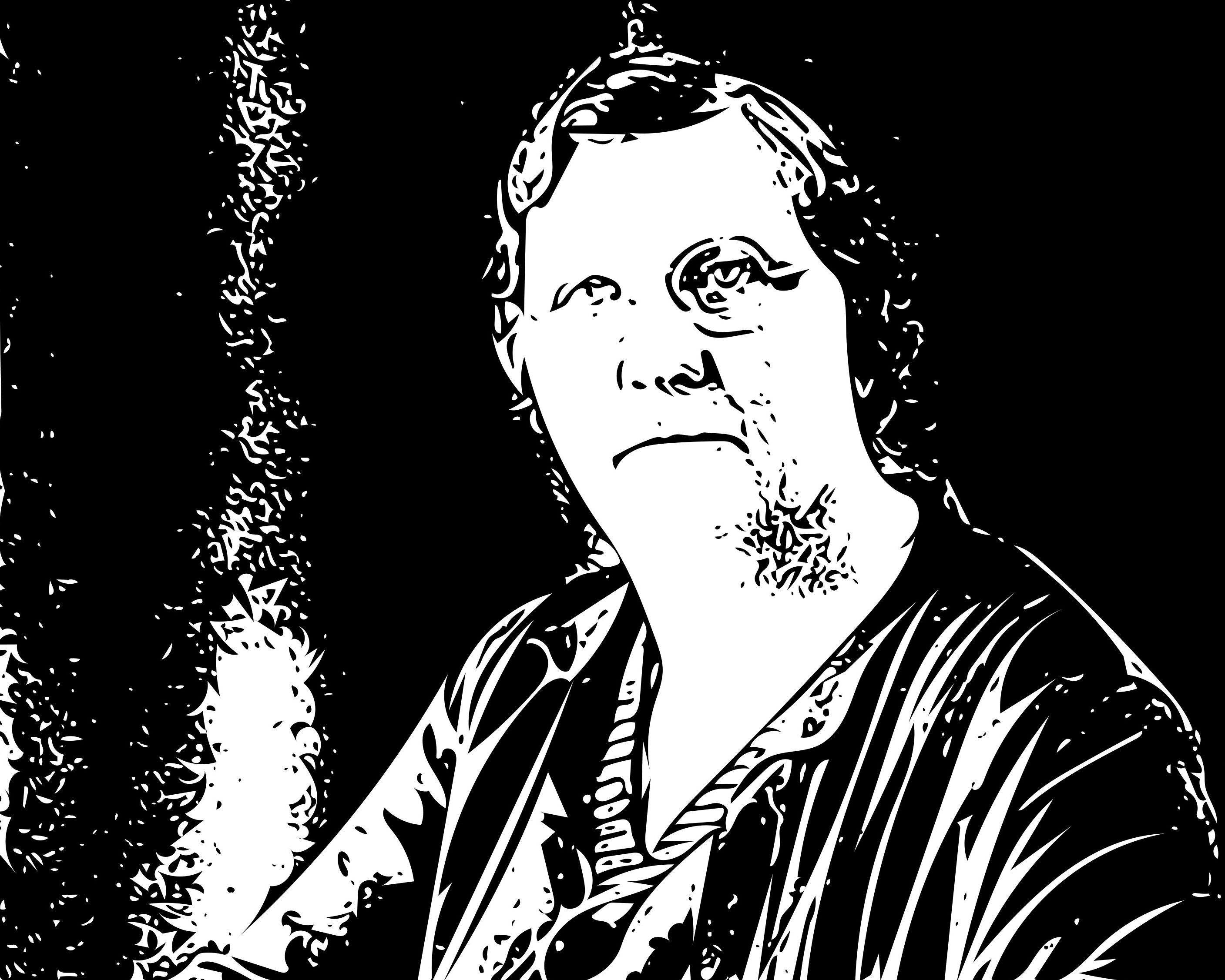
“There’s a field – a grand one for women – in politics, but women must . . . play politics as women and not as weak imitations of their ‘lords and masters.’ Men are all to inclined to ‘stuff’ a lady full of nonsense, treat her with not too much respect for her intellect and be far happier when she’s nicely tucked away in some corner where she can do them no harm — and herself no good. But it doesn’t have to be that way. . . . She has certain natural talents which men don’t have. Women are naturally given to detail. . . . If they weren’t, they couldn’t make pies or sew dresses. Men don’t like details. Because of woman’s training . . . she’s more thorough than man and right there she has a splendid opportunity for politics.”
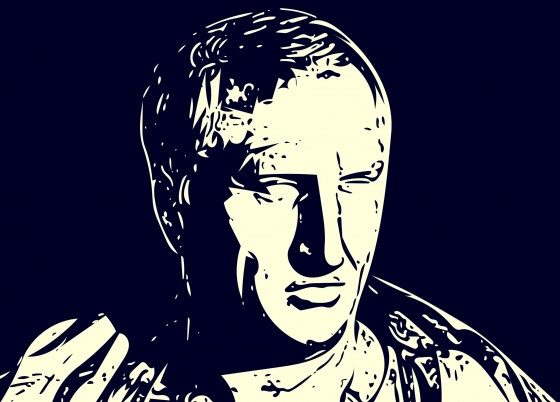
The distinguishing property of man is to search for and to follow after truth.
Marcus Tullius Cicero, On Duties, 44 BC.
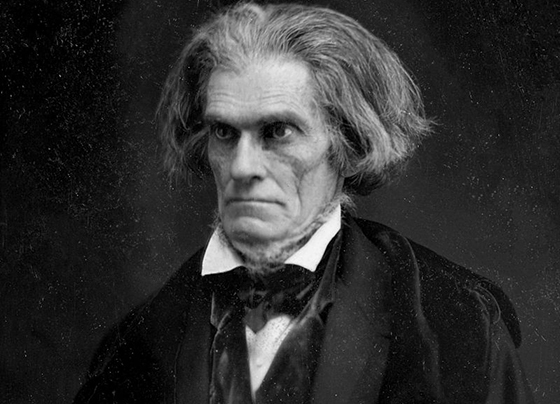
“It is harder to preserve than to obtain liberty.”
John Caldwell Calhoun, in a speech (January 1848) delivered on the Senate floor.
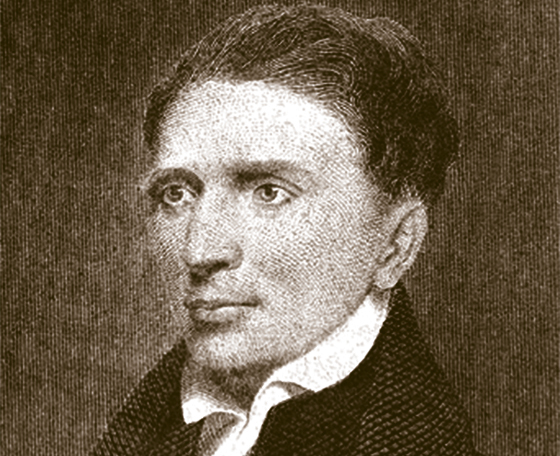
“The people of the United States will discover when too late that they may be enslaved by laws as well as by the arbitrary will of a despot; that unnecessary restraints are the essence of tyranny; and that there is no more effectual instrument of depriving them of their liberties, than a legislative body, which is permitted to do anything it pleases under the broad mantle of THE PUBLIC GOOD — a mantle which, like charity, covers a multitude of sins, and like charity is too often practised at the expense of other people.”
William Leggett, in an editorial in the Evening Post, March 11, 1835 (republished in A Collection of the Political Writings of William Leggett (1840), and titled “The Legislation of Congress”).
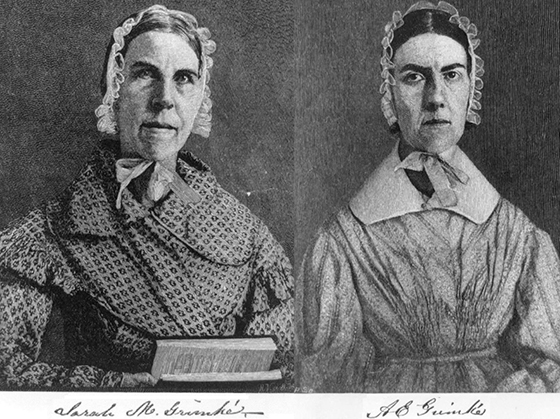
“The system of slavery is necessarily cruel. The lust of dominion inevitably produces hardness of heart, because the state of mind which craves unlimited power, such as slavery confers, involves a desire to use that power, and although I know there are exceptions to the exercise of barbarity on the bodies of slaves, I maintain that there can be no exceptions to the exercise of the most soul-withering cruelty on the minds of the enslaved. All around is the mighty ruin of intellect, the appalling spectacle of the down-trodden image of God.”
Sarah M. Grimké, from An Epistle to the Clergy of the Southern States, New-York, 12th Mo. 1836.
“‘DO NOT GOVERN TOO MUCH,’ is a maxim which should be placed in large letters over the speaker’s chair in all legislative bodies. The old proverb, ‘too much of a good thing is good for nothing,’ is most especially applicable to the present time, when it would appear, from the course of our legislation, that common sense, common experience, and the instinct of self-preservation, are utterly insufficient for the ordinary purposes of life; that the people of the United States are not only incapable of self-government, but of taking cognizance of their individual affairs; that industry requires protection, enterprize bounties, and that no man can possibly find his way in broad day light without being tied to the apron-string of a legislative dry-nurse. The present system of our legislation seems founded on the total incapacity of mankind to take care of themselves or to exist without legislative enactment.”
William Leggett, in an editorial in the Evening Post, March 11, 1835 (republished in A Collection of the Political Writings of William Leggett (1840), and titled “The Legislation of Congress”).
“A power has risen up in the government greater than the people themselves, consisting of many and various and powerful interests, combined into one mass, and held together by the cohesive power of the vast surplus in the banks.”
John Calhoun, in a speech (May 27, 1836); this is the source of the phrase, “Cohesive power of public plunder.”
“Whenever a Government assumes the power of discriminating between the different classes of the community, it becomes, in effect, the arbiter of their prosperity, and exercises a power not contemplated by any intelligent people in delegating their sovereignty to their rulers. It then becomes the great regulator of the profits of every species of industry, and reduces men from a dependence on their own exertions, to a dependence on the caprices of their Government. Governments possess no delegated right to tamper with individual industry a single hair’s-breadth beyond what is essential to protect the rights of person and property.”
William Leggett, in an editorial in the Evening Post, November 21, 1834 (republished in A Collection of the Political Writings of William Leggett (1840), and titled “True Functions of Government”).
“The very essence of a free government consists in considering offices as public trusts, bestowed for the good of the country, and not for the benefit of an individual or a party.”
John Caldwell Calhoun, in a speech (February 13, 1835).