And, after all, what is a fashion? From the artistic point of view, it is usually a form of ugliness so intolerable that we have to alter it every six months.
Oscar Wilde, “The Philosophy of Dress,” The New York Tribune, 1885.
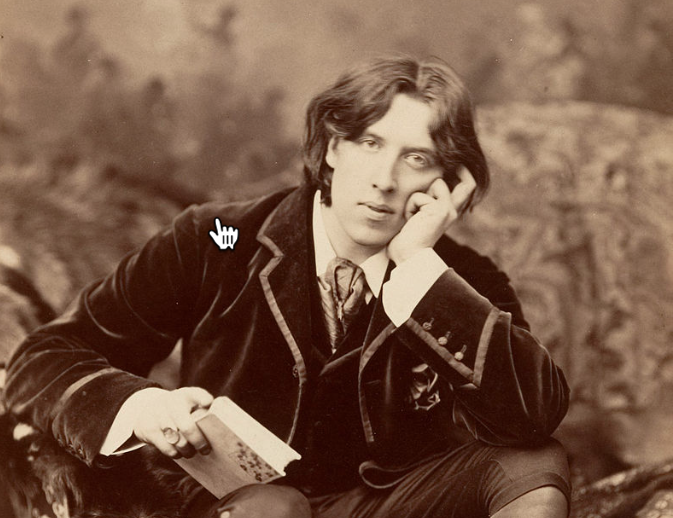
And, after all, what is a fashion? From the artistic point of view, it is usually a form of ugliness so intolerable that we have to alter it every six months.
Oscar Wilde, “The Philosophy of Dress,” The New York Tribune, 1885.
The pioneers of rationalism inveighed against the traditional dogmas, ridiculed popular superstitions, campaigned against priests and sorcerers, and castigated them for fostering and preying upon the ignorance of the masses — hoping that a final victory of science would vanish for ever the evils of unreason and organized deception. Little did they suspect that a Trojan Horse would appear in the camp of enlightenment, full of streamlined sorcerers clad in the latest paraphernalia of science.
Stanislav Andreski, Social Sciences as Sorcery (1972), p. 237-238.
A man who does not think for himself does not think at all.
Oscar Wilde, The Soul of Man Under Socialism, 1895.
Selfishness is not living as one wishes to live, it is asking others to live as one wishes to live.
Oscar Wilde, The Soul of Man Under Socialism, 1895.
There’s no way I can justify my salary level, but I’m learning to live with it.
Isabel Paterson, The God of the Machine, 1943, p. 250.
But when the good people do know, as they certainly do, that three million persons (at the least estimate) were starved to death in one year by the methods they approve, why do they still fraternize with the murderers and support the measures? Because they have been told that the lingering death of the three millions might ultimately benefit a greater number. The argument applies equally well to cannibalism.
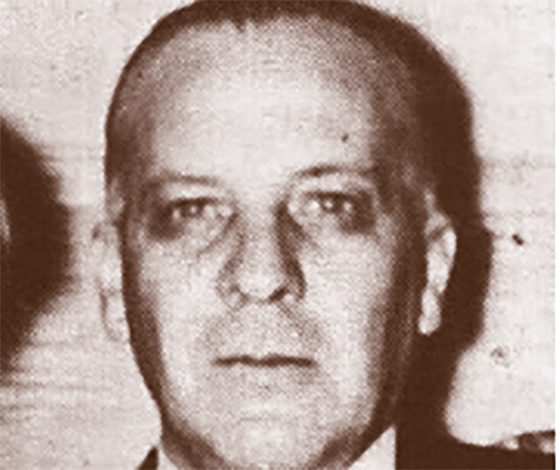
Americans pass a law against liquor and go right on drinking; they frown, publicly and openly upon the relationship of mistress and lover, and go right on having such relationships under cover. They draw up huge categories of business ethics, and American business is rotten to the core. It’s America’s fetich: this, ‘Save the Surface and You Save All,’ theory.
Jack Woodford, Unmoral, 1934.
Isabel Paterson, The God of the Machine, 1943, p. 242.
The humanitarian in theory is the terrorist in action.
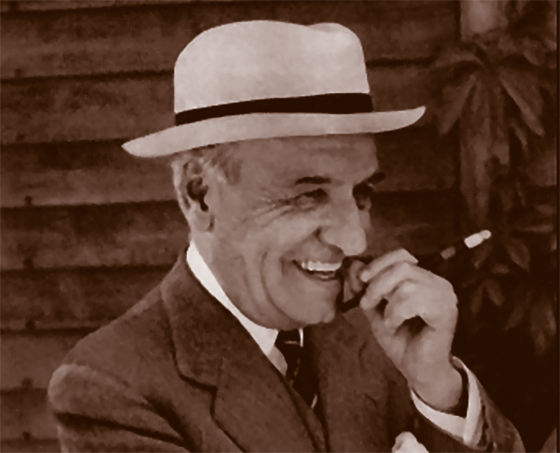
[T]he mass-man sees in the State an anonymous power, and feeling himself, like it, anonymous, he believes that the State is something of his own. Suppose that in the public life of a country some difficulty, conflict, or problem presents itself, the mass-man will tend to demand that the State intervene immediately and undertake a solution directly with its immense and unassailable resources. This is the gravest danger that to-day threatens civilisation: State intervention; the absorption of all spontaneous social effort by the State.
José Ortega y Gasset, Chapter XIII: The Greatest Danger, The State, The Revolt of the Masses, 1929.
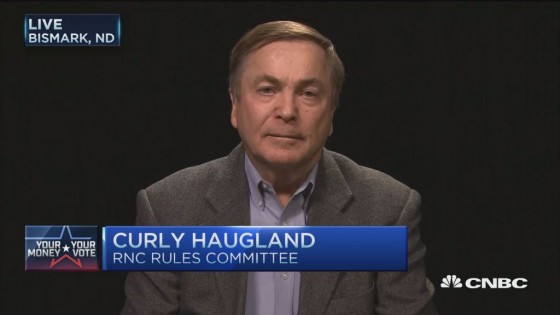
The biggest victory is one I’m going to have in a couple months. Up till now, I’ve basically been laying the groundwork.
Curly Haugland, as quoted in “The One Man Who Could Stop Donald Trump,” Erick Trickey, Politico, May 9, 2016.