The Wise are silent, the Foolish speak, and children are thus led astray.
Categories
Algernon Blackwood
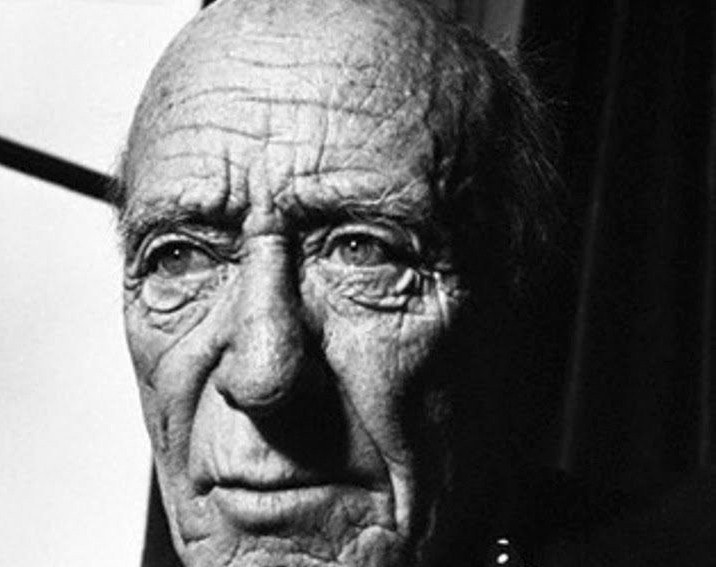
The Wise are silent, the Foolish speak, and children are thus led astray.
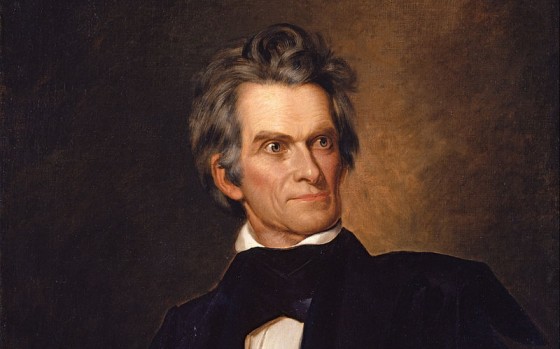
It is harder to preserve than to obtain liberty.
John Caldwell Calhoun, speech in the U. S. Senate (1848). Calhoun’s image (above), a detail from a portrait by George Peter Alexander Healy.
In a mad world it always seems simpler to obey.
Graham Greene, Our Man in Havana (1958).
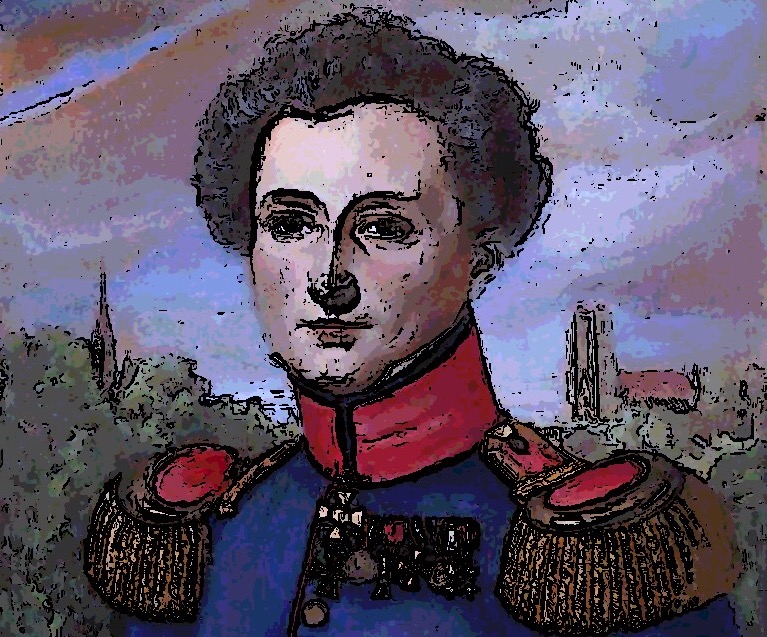
We repeat again: strength of character does not consist solely in having powerful feelings, but in maintaining one’s balance in spite of them. Even with the violence of emotion, judgment and principle must still function like a ship’s compass, which records the slightest variations however rough the sea.
Carl von Clausewitz, On War (1832), Book I, Chapter Three.
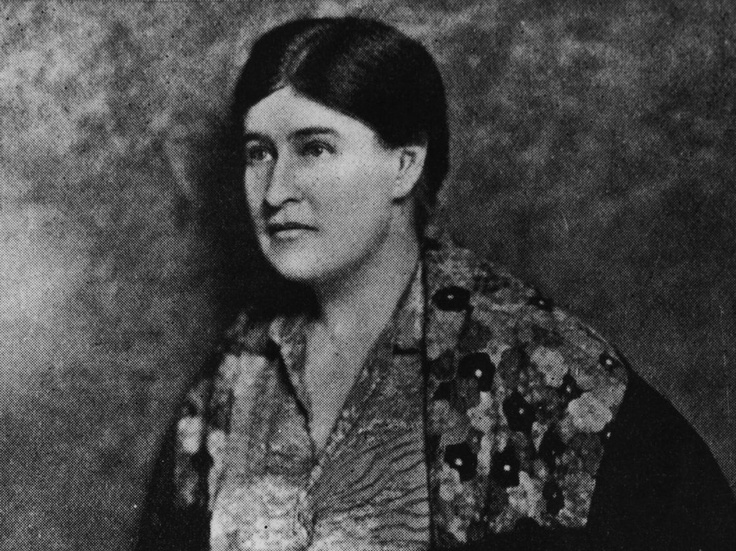
There are only two or three human stories, and they go on repeating themselves as fiercely as if they had never happened before.
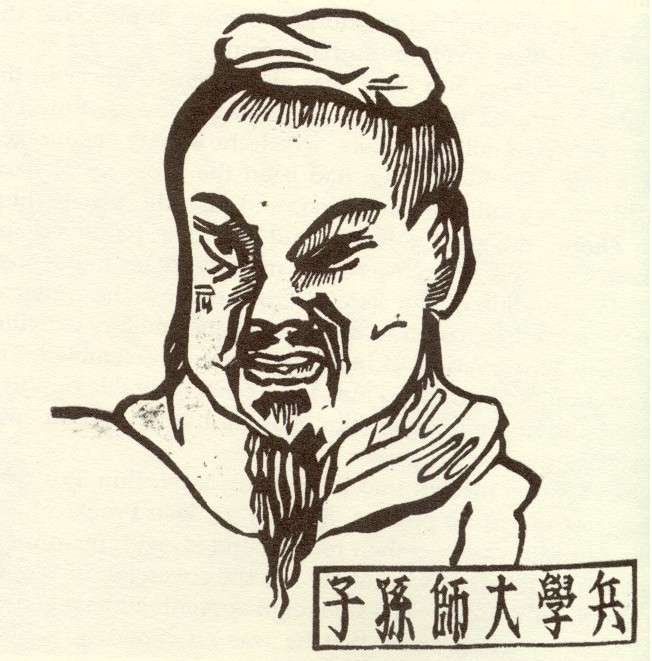
All warfare is based on deception. Hence, when we are able to attack, we must seem unable; when using our forces, we must appear inactive; when we are near, we must make the enemy believe we are far away; when far away, we must make him believe we are near.
Sun Tzu, The Art of War (c. 6th century BCE), from Chapter One.
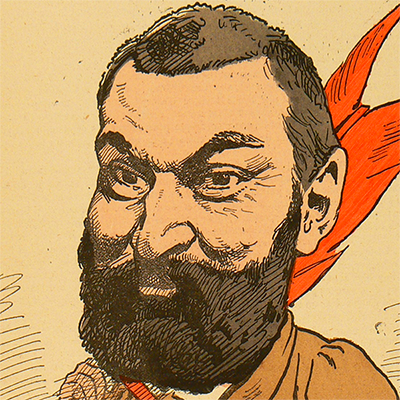
The dupe is the more ridiculous that if he only opened his eyes he must see how crude and flimsy are the artifices by which he has been swindled.
The aim of the Protectionist in every country is to reduce imports and encourage exports. Since there can be no selling without buying, if he attained his end international trade would cease and each nation be self-sufficing.
Yves Guyot, The Comedy of Protection, 1906, vii
“We can group socialists and protectionists under the name of restrictionists, whilst those who want to base the distribution of wealth solely on free competition can be called liberationists…
“Thus restrictionists are divided into two types: socialists, who through the intervention of the state, wish to change the distribution of wealth in favour of the less rich; and the others, who, even if they are sometimes not completely conscious of what they are doing, favour the rich — these are the supporters of commercial protectionism and social organisation of a military type.”
Vilfredo Pareto, “Socialism and Freedom,” 1891.
We must not confound liberty with anarchy. Liberty is the reciprocal respect for personal rights, according to certain fixed rules known by the name of law. Anarchy is the privilege of some and the spoliation of others, according to the caprices and arbitrary will of the cunning and the violent, and the feebleness and lack of energy of the timorous.
Yves Guyot, The Tyranny of Socialism, 1894
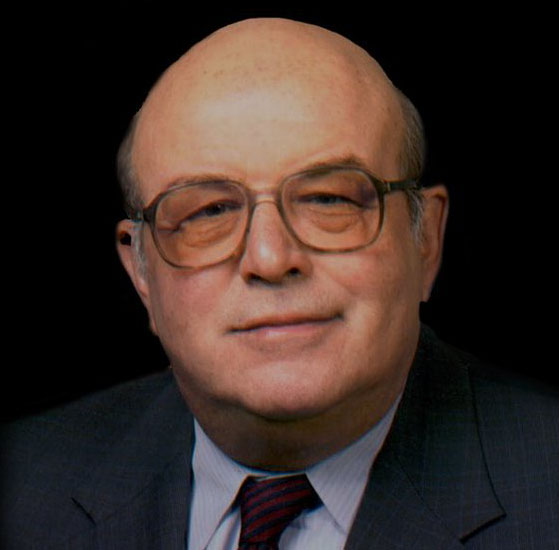
All mass murderers — all of the state terrorists on a grand scale, whatever their ethnicity or that of their victims — must be arraigned before the court of history. It is impermissible to let some of them off the hook, even if the acts of others may be characterized as unique in their brazen embrace of evil and their sickening horror. As Lord Acton said, the historian should be a hanging judge, for the muse of history is not Clio, but Rhadamanthus, the avenger of innocent blood.
Ralph Raico, “The Taboo Against Truth: Holocausts and Historians,” Liberty, September 1989.