A frog in a well cannot conceive of the ocean.
Categories
Chuang Tzu
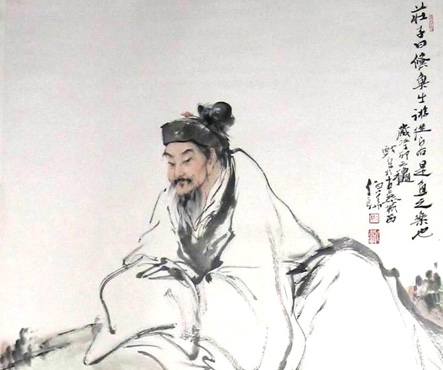
A frog in a well cannot conceive of the ocean.
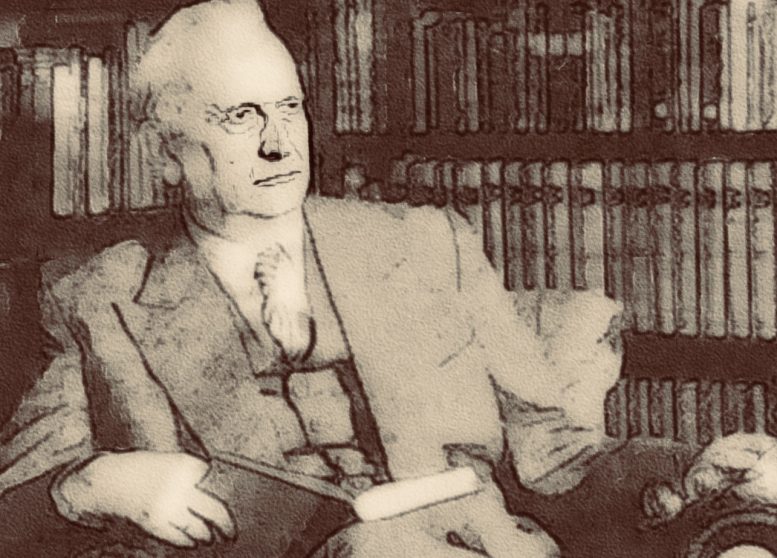
One who would influence the masses must have recourse to the art of advertisement. The clamour of puffery is to-day requisite even for an intellectual movement.
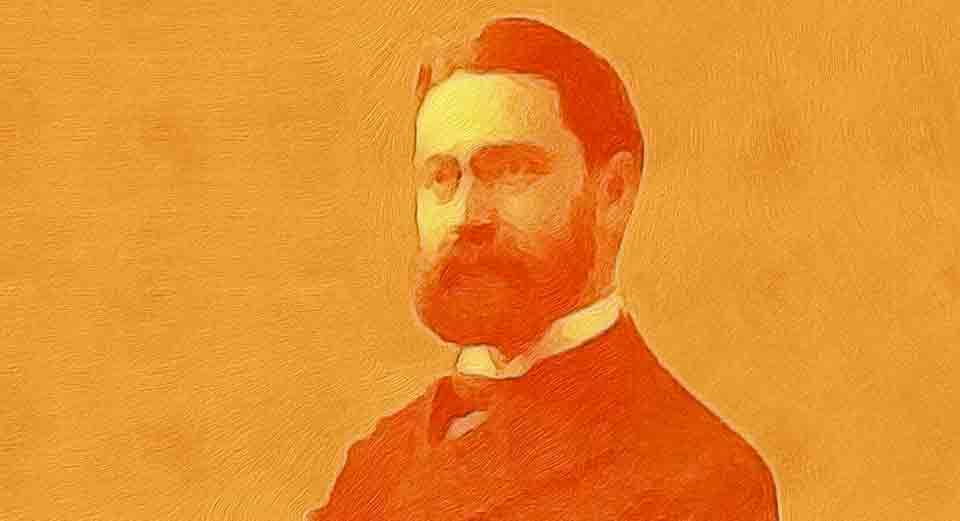
[A]ll Value resides in the mind. But people have come to regard Value as an absolute Quality inherent in Things: and the confusion of ideas is the source of bad reasoning. Value is founded on estimation.
Henry Dunning Macleod, Elements of Economics, Volume 1 (1881), p. 118. Relating the leading principles of Étienne Bonnot de Condillac’s Le commerce et le gouvernement, considérés relativement l’un à l’autre: Ouvrage élémentaire, Macleod explains the main idea of modern economics, mutual benefit in exchange:
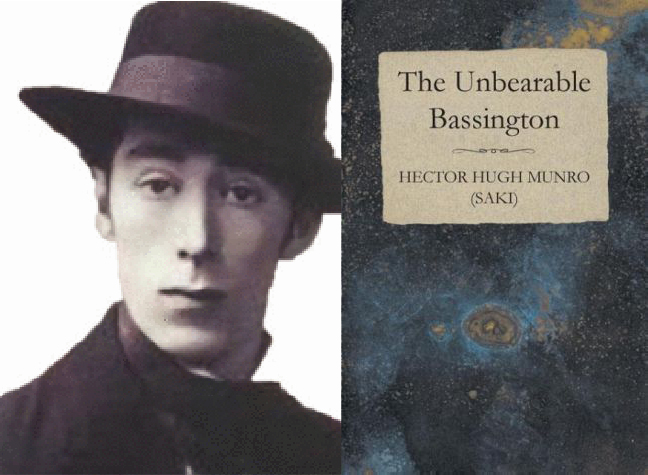
Saki, The Unbearable Bassington, first page (1912).
When one’s friends and enemies agree on any particular point they are usually wrong.

Disagreement is manageable. It’s agreement that wreaks havoc. If people disagree, they’ll debate you. If they secretly agree with something, but are furious with you for saying it, then they’ll try to shut you up by any means necessary. As Tom Stoppard puts it, ‘I agree with every word you say, but I will fight to the death against your right to say it.’
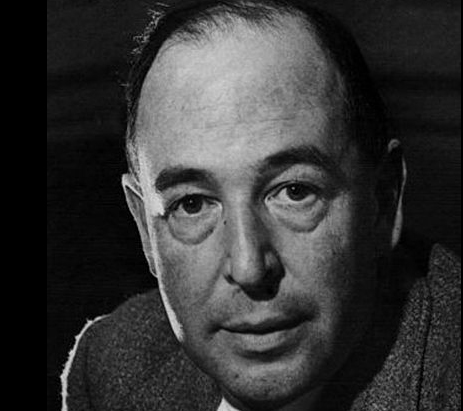
The only people who object to escapism are jailers.
C. S. Lewis, as quoted by Arthur C. Clarke, God, The Universe and Everything Else (1988).
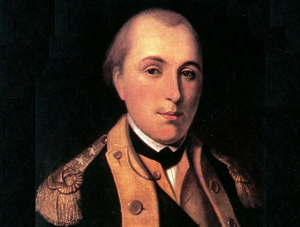
Humanity has gained its suit; Liberty will nevermore be without an asylum.
Lafayette, Letter to friends (1780), published in Memoirs de La Fayette, Vol. II, p. 50.

By far the most important of all the conditions, under which the production of material commodities goes broadly forward, is liberty of action on the part of the individual; because, wherever such liberty is conceded, association and invention and all other needful conditions follow right along by laws of natural sequence.
Arthur Latham Perry, Principles of Political Economy, 1891.
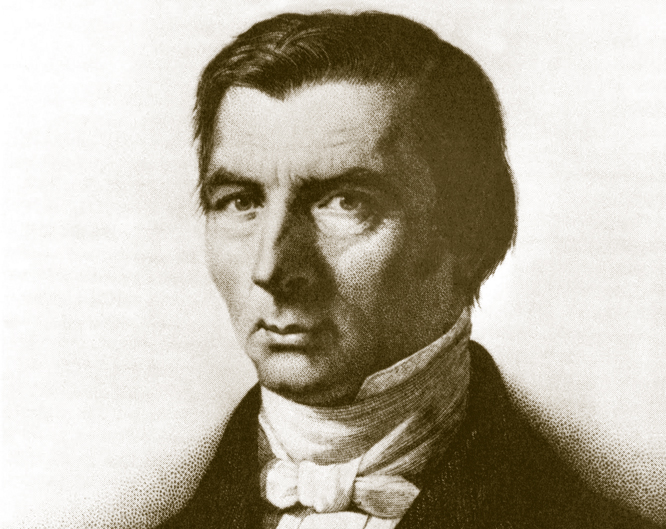
Among the new arrangements that feeble mortals are invited to make trial of, there is one that is presented to us in terms worthy of attention. Its formula is: Association, voluntary and progressive.
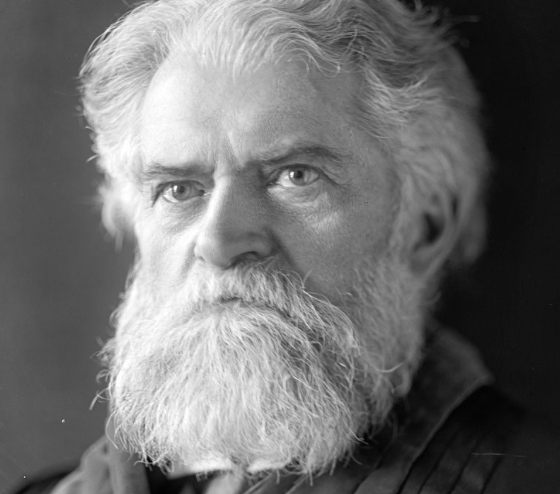
Scientific method consists in applying to those subjects which lie without the range of our immediate experience those same common-sense methods of reasoning which successful men of the world apply in judging of matters which concern their own interests.
Simon Newcomb, Principles of Political Economy (1886), chapter III, “Of Scientific Method”