Categories
Thought

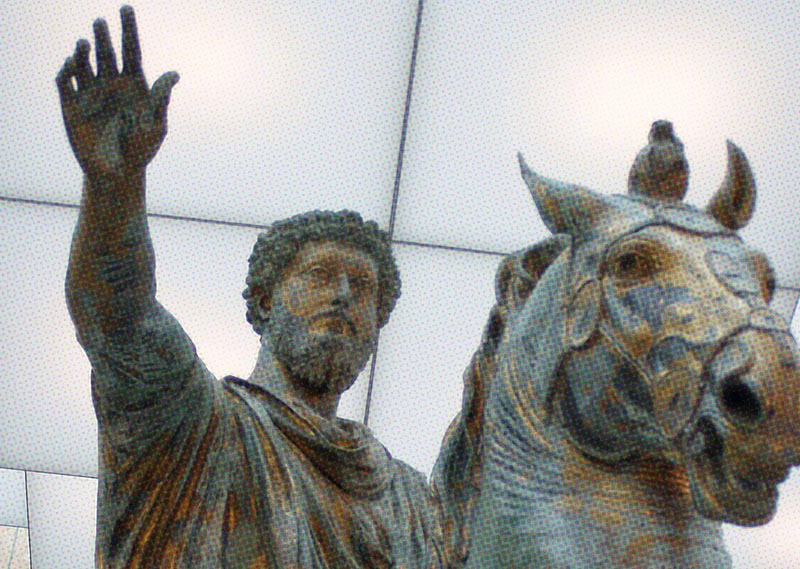
Marcus Aurelius

Remember that neither the future nor the past pains thee, but only the present. But this is reduced to a very little, if thou only circumscribest it, and chidest thy mind, if it is unable to hold out against even this.


Marcus Aurelius Antoninus, Meditations, VIII, 36.
Categories
Thought

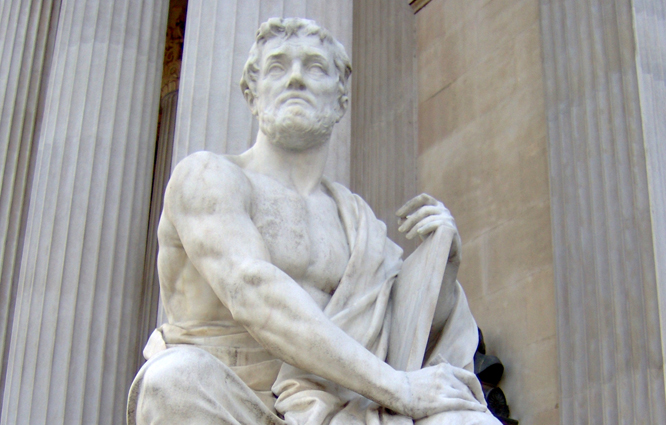
Tacitus

Auferre, trucidare, rapere, falsis nominibus imperium; atque, ubi solitudinem faciunt, pacem appellant.

To ravage, to slaughter, to usurp under false titles, they call empire; and where they make a desert, they call it peace.

Tacitus, De vita et moribus Iulii Agricolae (89 AD), Close of chapter 30, Oxford Revised Translation.

Categories
Thought

Juvenal

Sed quis custodiet ipsos custodes?

But who will guard the guardians themselves?


Juvenal, Sixth Satire.

Categories
Thought

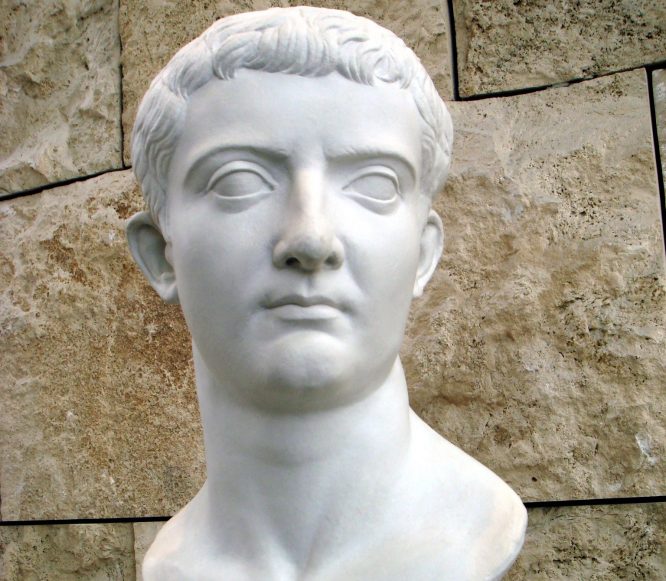
Tiberius

If So-and-so challenges me, I shall lay before you a careful account of what I have said and done; if he should continue, I shall reciprocate his dislike of me.


Tiberius, as quoted by Suetonius in De vita Caesarum, Chapter 28, in this form:

Categories
Thought

Polybius

He indeed who believes that by studying isolated histories he can acquire a fairly just view of history as a whole, is, as it seems to me, much in the case of one, who, after having looked at the dissevered limbs of an animal once alive and beautiful, fancies he has been as good as an eyewitness of the creature itself in all its action and grace.


Polybius, The Histories.

Categories
Thought

Tacitus

Idque apud imperitos humanitas vocabatur, cum pars servitutis esset.

Step by step they were led to things which dispose to vice, the lounge, the bath, the elegant banquet. All this in their ignorance they called civilisation, when it was but a part of their servitude.

Tacitus, De vita et moribus Iulii Agricolae (89 AD), Book 1, paragraph 21.

Categories
Thought

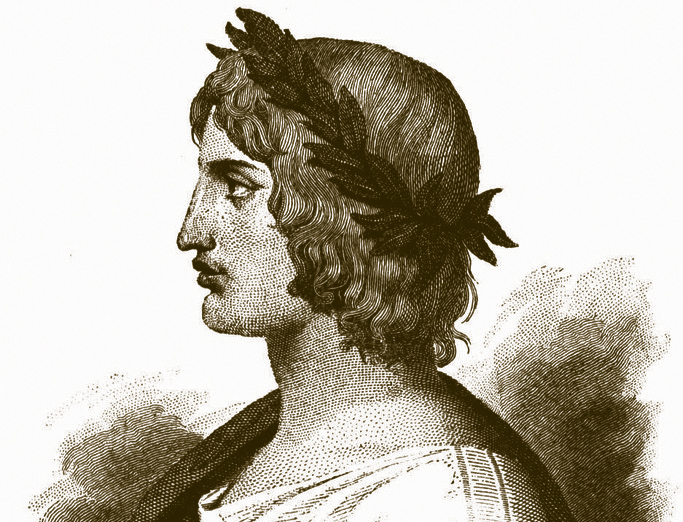
Virgil

Felix qui potuit rerum cognoscere causas.

Blessed is he who has been able to win knowledge of the causes of things.

Virgil, Georgics (29 BC), Book II, line 490 (tr. H. Rushton Fairclough); homage to Lucretius.


John Dryden’s translation:

Happy the man, who, studying nature’s laws,
Thro’ known effects can trace the secret cause.

Categories
Thought

Lucretius

Stilicidi casus lapidem cavat.

The steady drip of water causes stone to hollow and yield.

Lucretius, De Rerum Natura (On the Nature of Things) (First Century BC), Book I, line 313 (tr. Stallings).

Categories
Thought

Juvenal

No man will get my help in robbery, and therefore no governor will take me on his staff.


Juvenal, Third Satire, line 46.

Categories
Thought

Lucretius

Circumretit enim vis atque iniuria quemque,
atque, unde exortast, at eum plerumque revertit.

Violence and injury enclose in their net all that do such things, and generally return upon him who began.

Lucretius, De Rerum Natura (On the Nature of Things) (First Century BC), Book V, lines 1152–1153 (tr. Rouse).