Categories
Thought

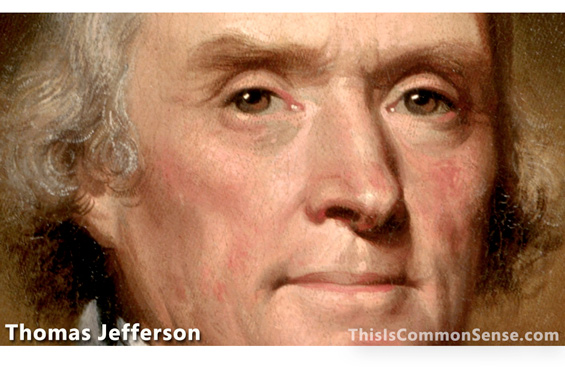
Thomas Jefferson

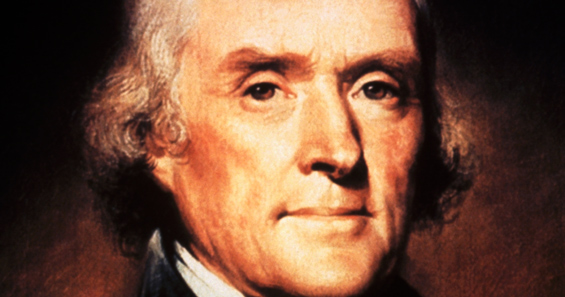
Of liberty I would say that, in the whole plenitude of its extent, it is unobstructed action according to our will. But rightful liberty is unobstructed action according to our will within limits drawn around us by the equal rights of others. I do not add “within the limits of the law” because law is often but the tyrant’s will, and always so when it violates the rights of the individual.

Thomas Jefferson, letter to Isaac H. Tiffany (April 4, 1819).
Categories
Thought

Auberon Herbert

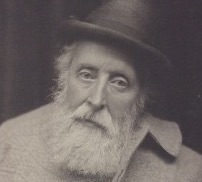
The career of a politician mainly consists in making one part of the nation do what it does not want to do, in order to please and satisfy the other part of the nation.

Auberon Herbert, The Right and Wrong of Compulsion by the State, and Other Essays, “Salvation by Force.”
Categories
Thought

Oliver Ellsworth

The Thirteen States are Thirteen Sovereign bodies.

Categories
Thought

J. H. Levy

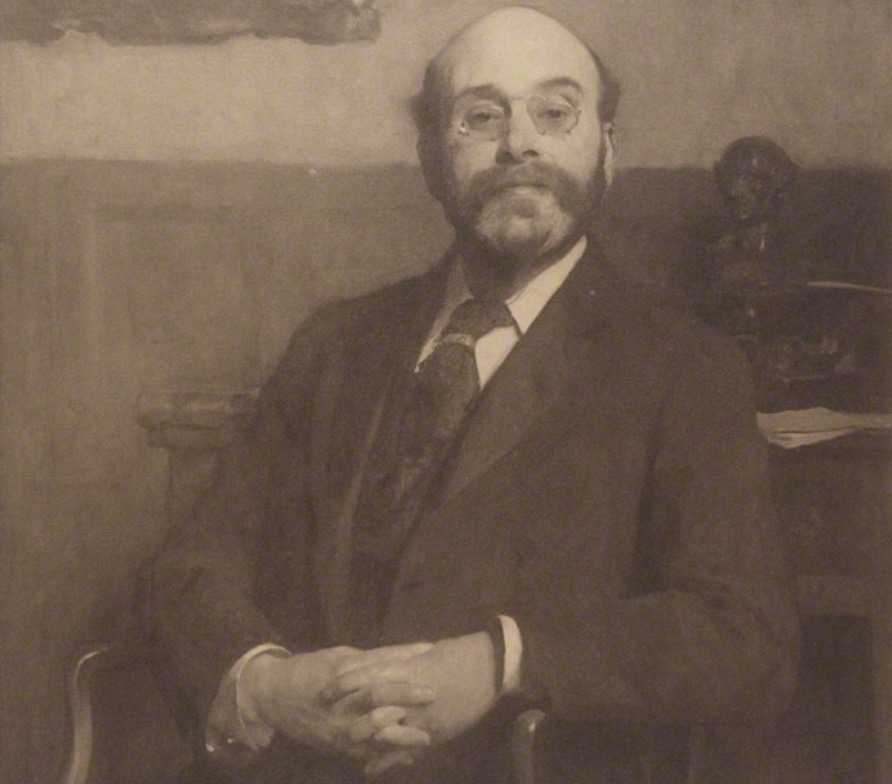
Socialism is essentially inimical to family life, which it regards as a bourgeois institution — to use its own favorite anathema. Socialism would make motherhood a State business or profession, would pay women for this sexual function, and deprive fathers of all status or recognition.

Joseph Hiam Levy, The Outcome of Individualism (Third Edition, 1892)
Categories
Thought

Thomas Jefferson

The ordinary affairs of a nation offer little difficulty to a person of any experience.

Categories
Thought

Mario Vargas Llosa

Prosperity or egalitarianism — you have to choose. I favor freedom — you never achieve real equality anyway: you simply sacrifice prosperity for an illusion.

Categories
Thought

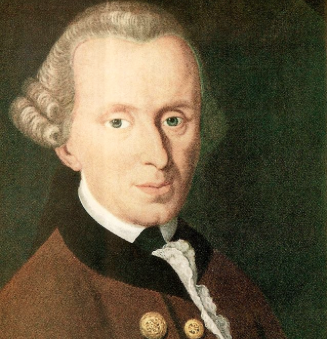
Immanuel Kant

The problem of establishing a perfect civic constitution is dependent upon the problem of a lawful external relation among states and cannot be solved without a solution of the latter problem.

Categories
Thought

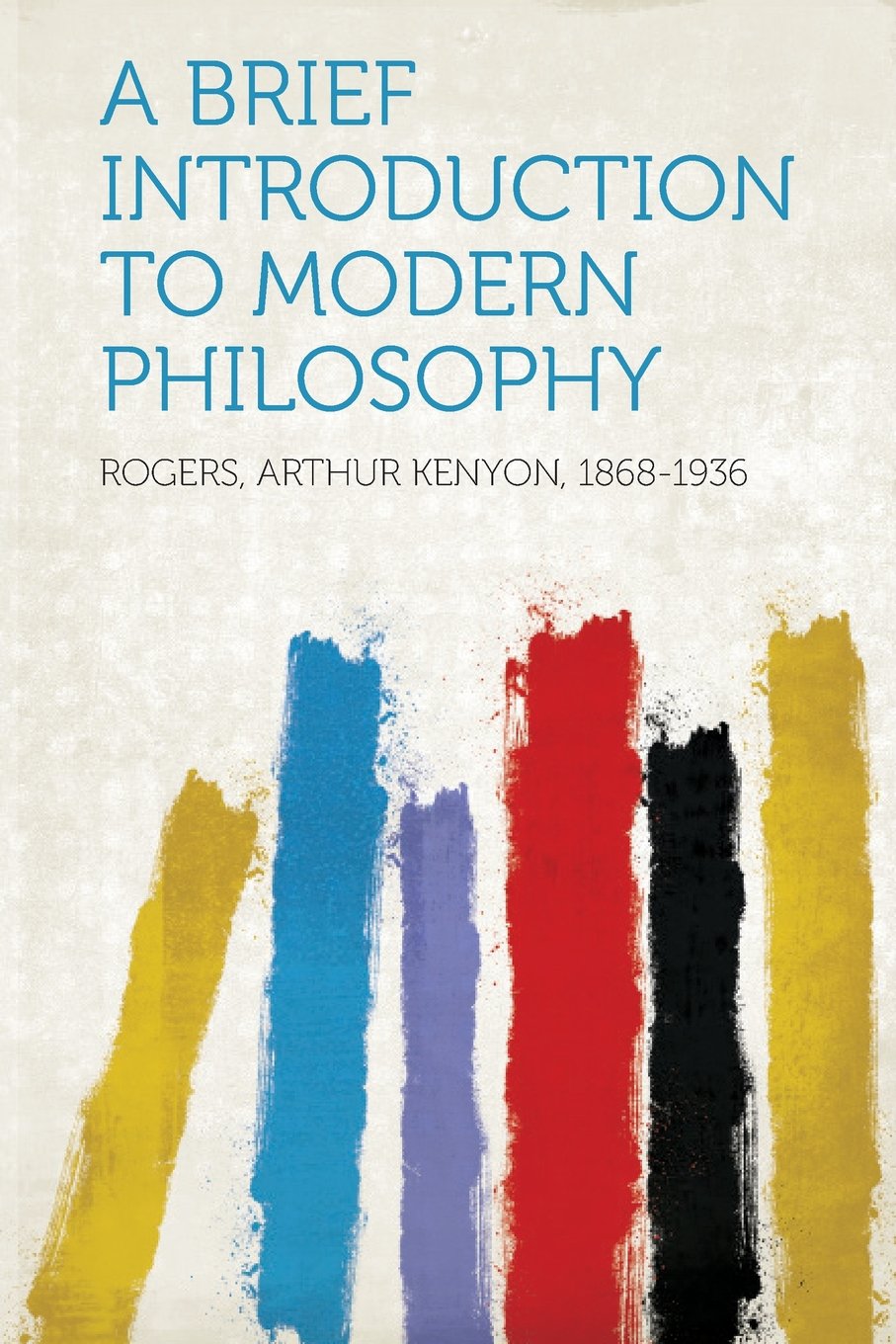
Arthur Kenyon Rogers

Anything whatever can be made ridiculous; to see this side of it, and nothing more, is to become the mere jester, whose claim to be regarded as the ideal moralist is cer tainly very slight. But between a too solemn sense of high importance, and that conviction of the intrinsic smallness of everything in particular which some of our satirists have displayed, there is a middle ground.

Arthur Kenyon Rogers, The Theory of Ethics (New York: The Macmillan Company, 1922).
Categories
Thought

Thomas Jefferson

Every constitution…, and every law, naturally expires at the end of 19 years [a generation]. If it be enforced longer, it is an act of force, and not of right.

Categories
Thought

Arthur Kenyon Rogers

Rational satisfaction is no dream of an undisturbed and impossibly complete felicity. It is not inconsistent with pain and sorrow, and the exclusion of many human delights. To have the least chance of success it must be weighted with a sober sense of reality, and an acceptance of the actual conditions of human living; to demand more than life can possibly give is to cut off our chance of satisfaction at the outset. We must be ready, if we are not to be always open to the inroads of discontent, to see and acquiesce in inevitable limitations, to make the best of necessarily imperfect attainment, to give up without repining what does not lend itself to our more dominant and insistent interests, to prefer defeat to success that degrades us in our own eyes.