Categories
Thought

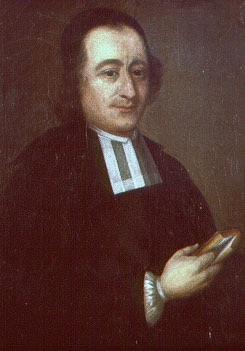
Anders Chydenius

The more opportunities there are in a Society for some persons to live upon the toil of others, and the less those others may enjoy the fruits of their work themselves, the more is diligence killed, the former become insolent, the latter despairing, and both negligent.

Anders Chydenius (1739 – 1803) was a Swedish priest and politician born in what is now Ostrobothnian Finland. This quotation is from The National Gain, §20, 1765.

Categories
Thought

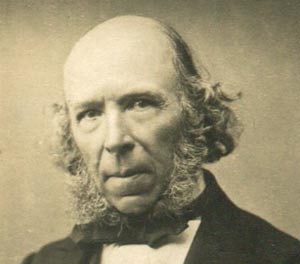
Herbert Spencer

The fact disclosed by a survey of the past that majorities have usually been wrong, must not blind us to the complementary fact that majorities have usually not been entirely wrong.

Categories
Thought

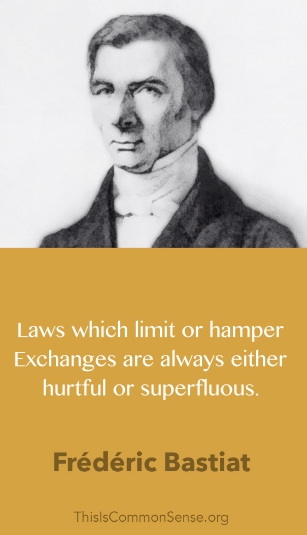
Frédéric Bastiat

If Exchange saves efforts, it also exacts them. It extends, and spreads, and increases, up to the point at which the effort it exacts becomes equal to the effort which it saves, and it stops there until, by the improvement of the commercial apparatus, or by the circumstance exclusively of the condensation of population, and bringing men together in masses, it again returns to the conditions which are essential to its onward and ascending march. Whence it follows that laws which limit or hamper Exchanges are always either hurtful or superfluous.
Governments which persuade themselves that nothing good can be done but through their instrumentality, refuse to acknowledge this harmonic law.
Exchange develops itself NATURALLY until it becomes more onerous than useful, and at that point it NATURALLY stops.
In consequence, we find governments everywhere busying themselves in favouring or restraining trade.
In order to carry it beyond its natural limits, they set to conquering colonies and opening new markets. In order to confine it within its natural bounds, they invent all sorts of restrictions and fetters.

Frédéric Bastiat, Harmonies of Political Economy (from the Third French Edition, Patrick James Stirling, trans.).
Categories
Thought

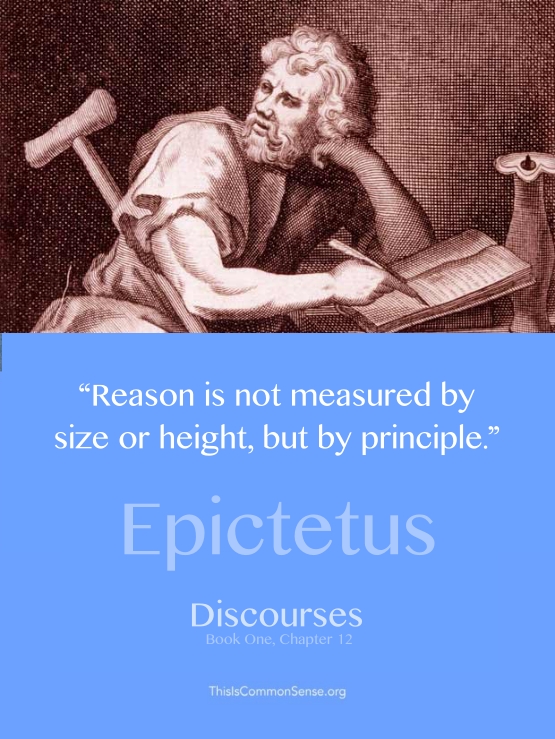
Epictetus

Reason is not measured by size or height, but by principle.

Epictetus, Discourses Book I, Chapter 12.
Categories
Thought

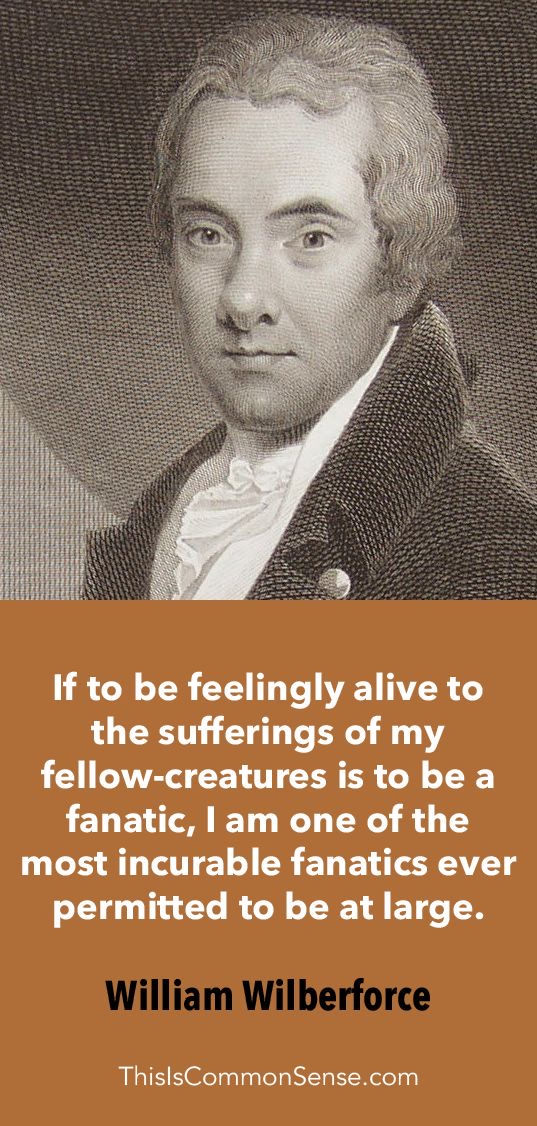
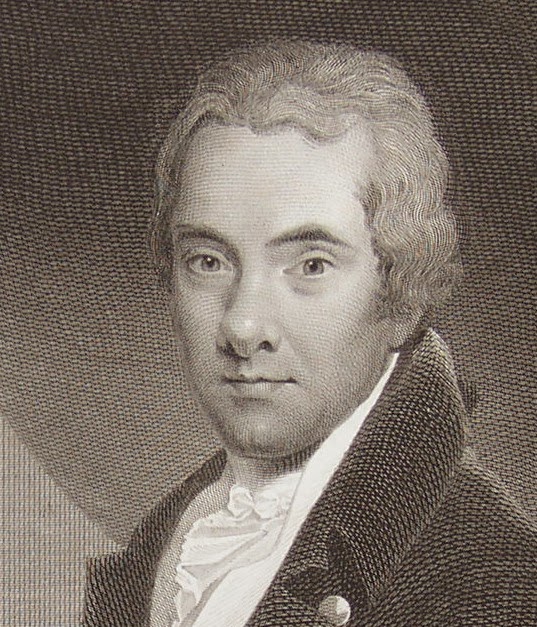
William Wilberforce

If to be feelingly alive to the sufferings of my fellow-creatures is to be a fanatic, I am one of the most incurable fanatics ever permitted to be at large.

William Wilberforce was Britain’s most important anti-slavery activist.

Categories
Thought

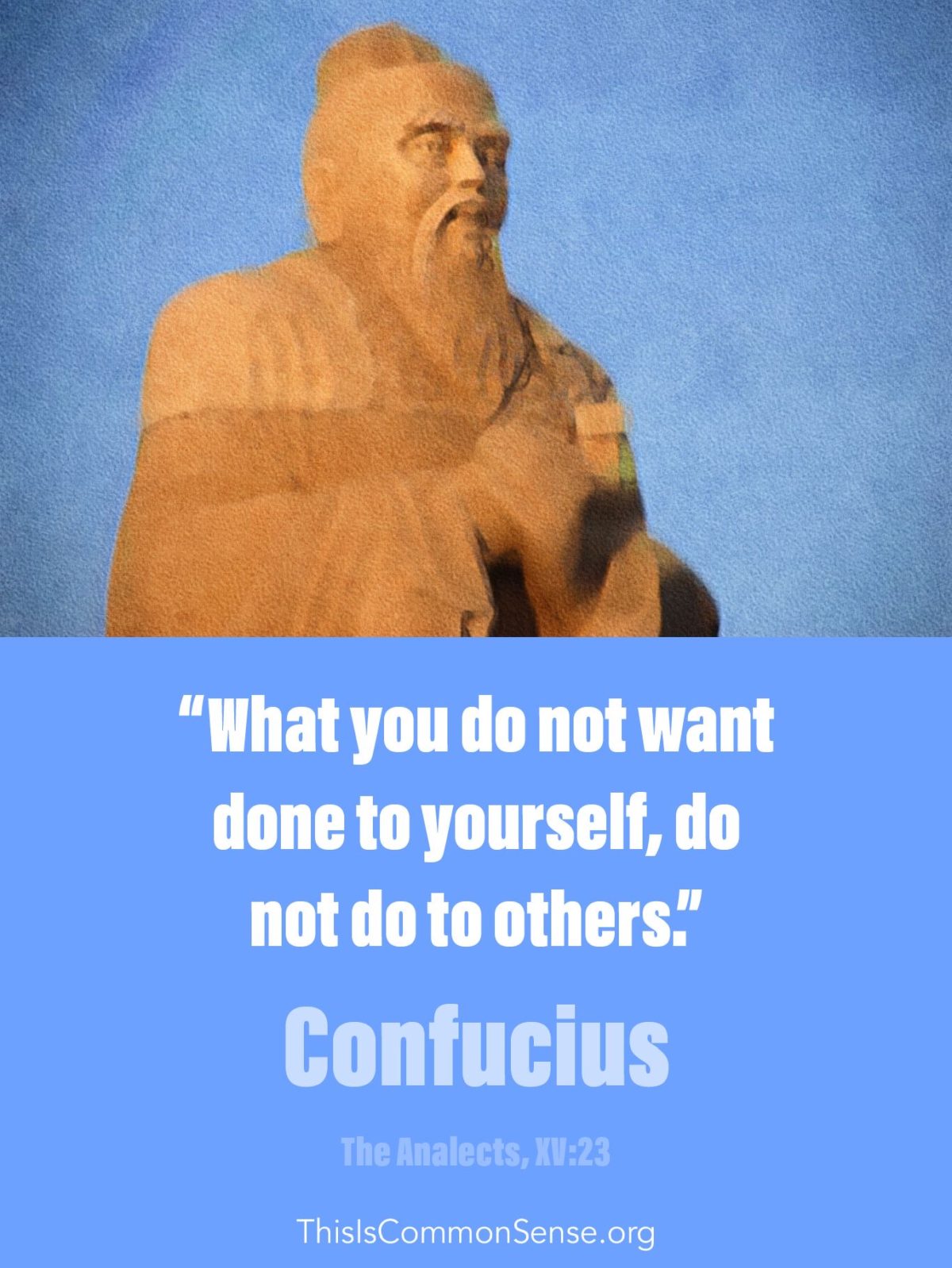
Master Kong

What you do not want done to yourself, do not do to others.

Confucius (the latinization of the Chinese 孔夫子, Kong Fu Zi or K’ung-fu-tzu, literally “Master Kong,” but usually referred to in China with a simpler version of this honorific as 孔子, Kongzi), The Analects XV:23.
Categories
Thought

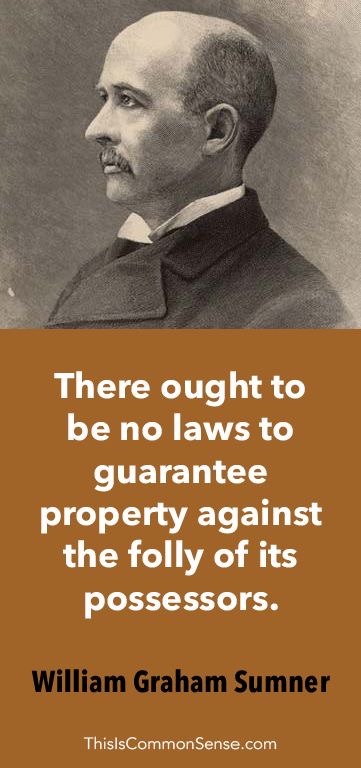
William Graham Sumner

There ought to be no laws to guarantee property against the folly of its possessors.

William Graham Sumner, What Social Classes Owe to Each Other (1883).
Categories
Thought

William Wilberforce

When we think of eternity, and of the future consequences of all human conduct, what is there in this life that should make any man contradict the dictates of his conscience, the principles of justice, the laws of religion, and of God?

Categories
Thought

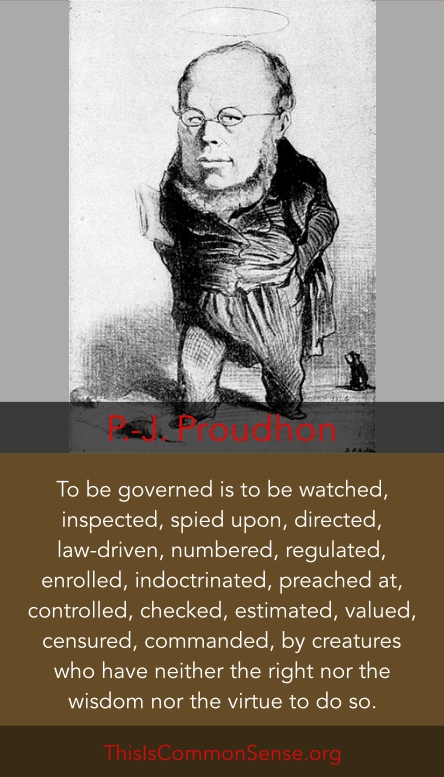
P.-J. Proudhon

To be governed is to be watched, inspected, spied upon, directed, law-driven, numbered, regulated, enrolled, indoctrinated, preached at, controlled, checked, estimated, valued, censured, commanded, by creatures who have neither the right nor the wisdom nor the virtue to do so.

Pierre-Joseph Proudhon, Idée Générale de la Révolution au XIXe Siècle [The General Idea of the Revolution] (1851).
Categories
Thought

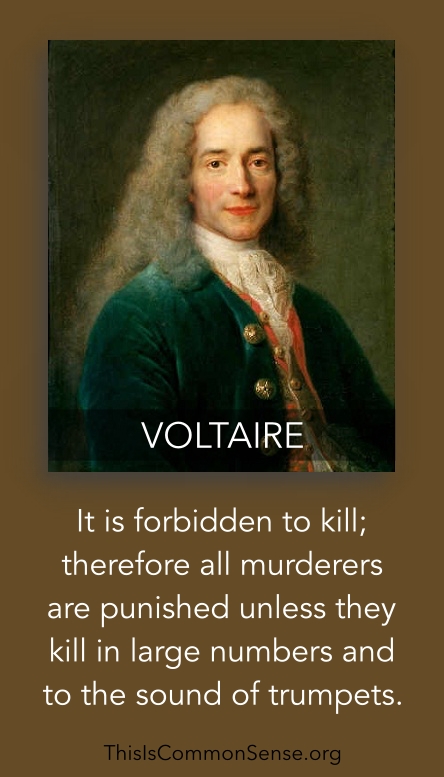
Voltaire

Il est défendu de tuer; tout meurtrier est puni, à moins
qu’il n’ait tué en grande compagnie, et au son des trompettes.

It is forbidden to kill; therefore all murderers are punished unless they kill in large numbers and to the sound of trumpets.

François-Marie Arouet (1694 – 1778), pen name Voltaire, “Rights” (1771).