Nothing is so common as to imitate one’s enemies, and to use their weapons.
Voltaire, “Oracles” (1770), Questions sur l’Encyclopédie (1770–1774).
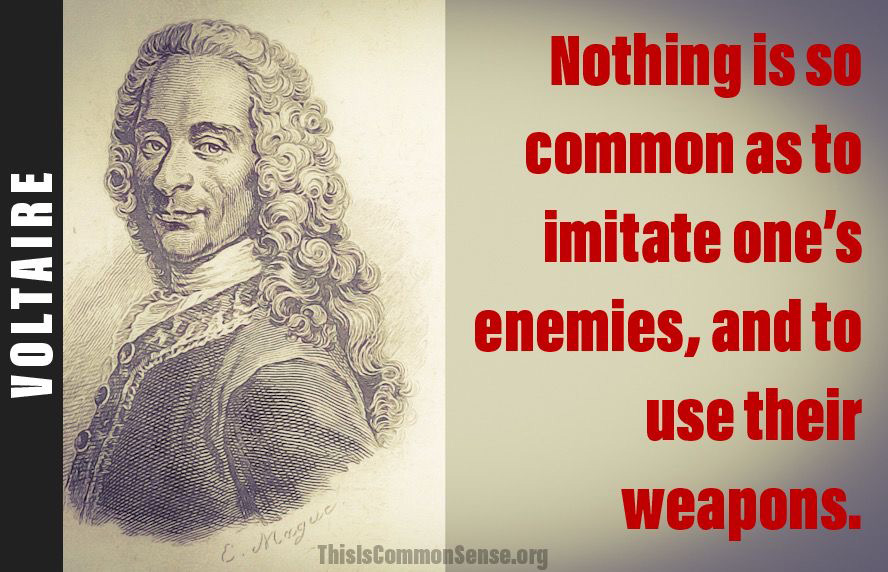
Nothing is so common as to imitate one’s enemies, and to use their weapons.
Voltaire, “Oracles” (1770), Questions sur l’Encyclopédie (1770–1774).
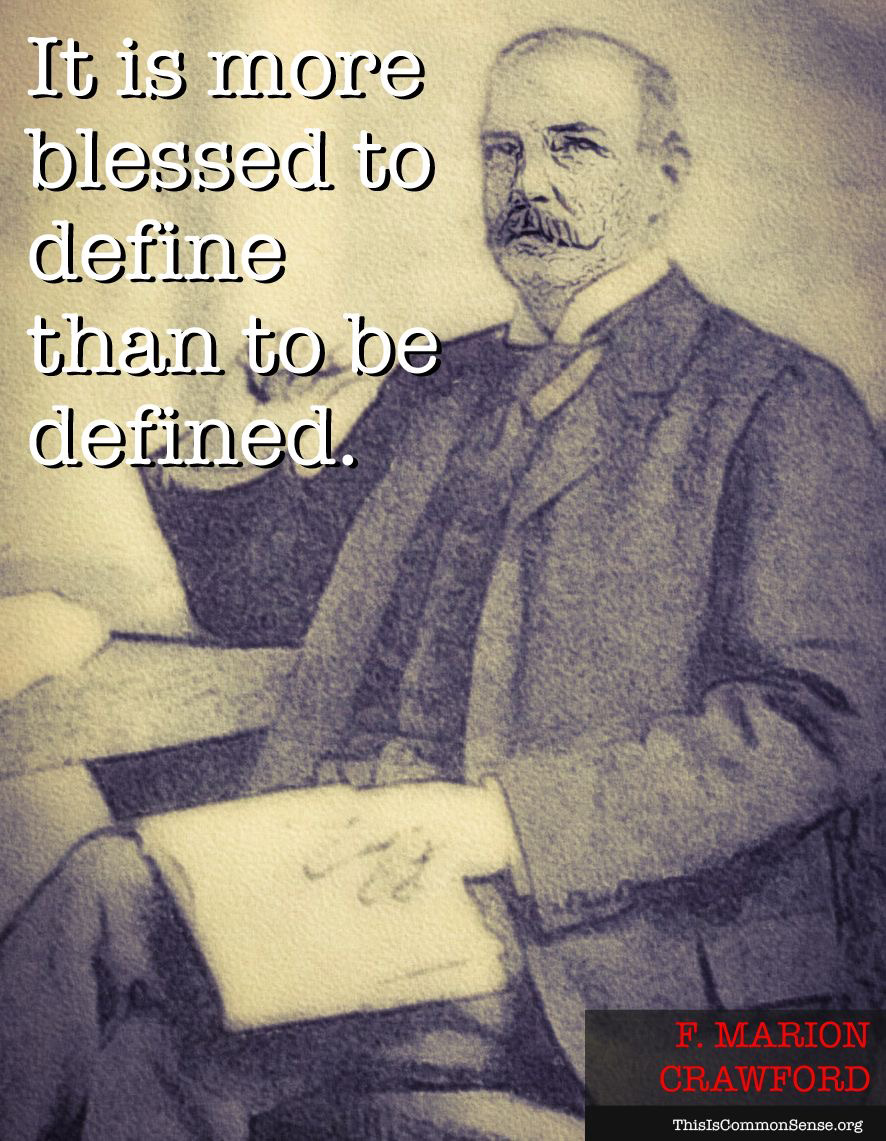
It is more blessed to define than to be defined.
F. Marion Crawford, Don Orsini (1892). See also Thomas Szasz on defining others.

Nothing is more uncertain than the result of any one throw; few things more certain than the result of many throws. When applied to human life, the law of averages exhibits many striking results.
James A. Garfield, ”Effects of The Rebellion on Southern Life Insurance Contracts : Argument made before the Supreme Court of the United States in the Cases of the New York Life Insurance Company v. Statham et al. and the Same v. Charlotte Seyms.“ (April 26, 1876)
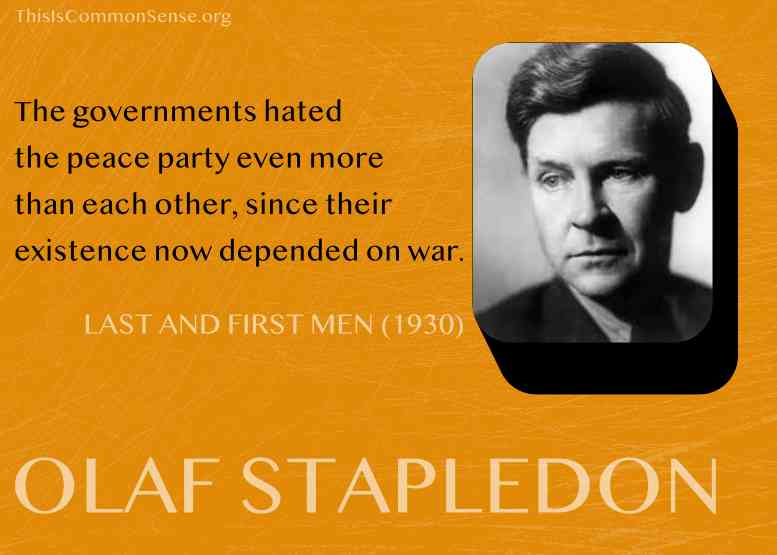
The governments hated the peace party even more than each other, since their existence now depended on war.
Olaf Stapledon, Last and First Men (1930).
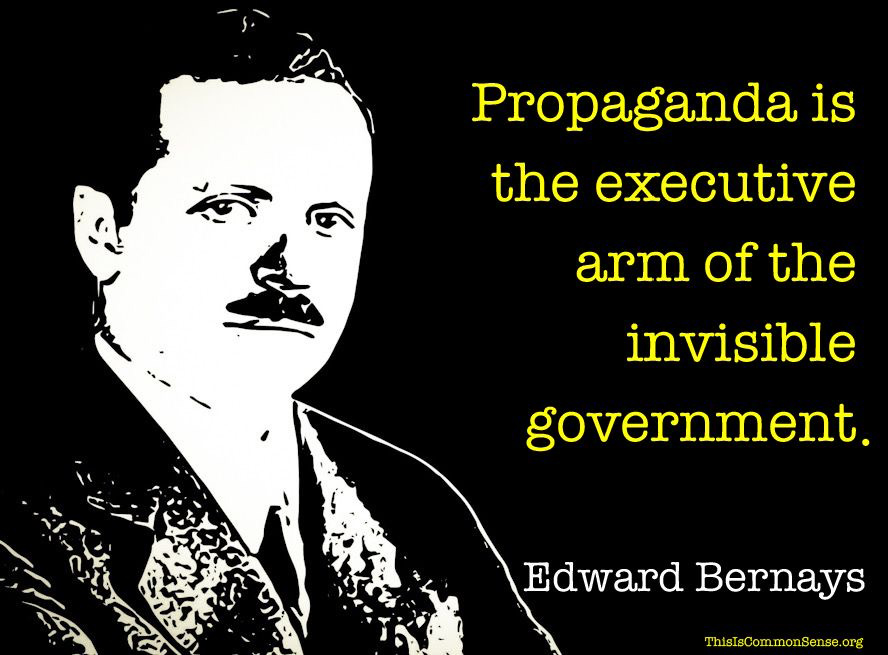
Propaganda is the executive arm of the invisible government.
Edward Bernays, Propaganda (1928).

Propaganda does not aim to elevate man, but to make him serve.
Jacques Ellul, Propaganda: The Formation of Men’s Attitudes (1962).
The conscious and intelligent manipulation of the organized habits and opinions of the masses is an important element in democratic society. Those who manipulate this unseen mechanism of society constitute an invisible government which is the true ruling power of our country.
Edward Bernays, Propaganda (1928), p. 10.
Propaganda is to a democracy what the bludgeon is to a totalitarian state.
Noam Chomsky, interview on WBAI, January 1992.
If we understand the mechanism and motives of the group mind, is it not possible to control and regiment the masses according to our will without their knowing about it? The recent practice of propaganda has proved that it is possible, at least up to a certain point and within certain limits.
Edward Bernays, Propaganda (1928).
Propaganda is a monologue that is not looking for an answer, but an echo.
W. H. Auden, A Short Defense of Poetry (October 1967).