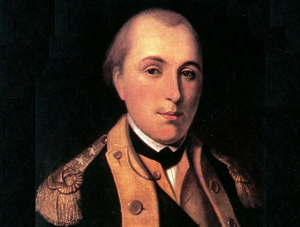
“I read, I study, I examine, I listen, I reflect, and out of all of this I try to form an idea into which I put as much common sense as I can.”
Lafayette, Letter to his father-in-law, the Duc d’Ayan (December 4, 1776).
“I read, I study, I examine, I listen, I reflect, and out of all of this I try to form an idea into which I put as much common sense as I can.”
Lafayette, Letter to his father-in-law, the Duc d’Ayan (December 4, 1776).
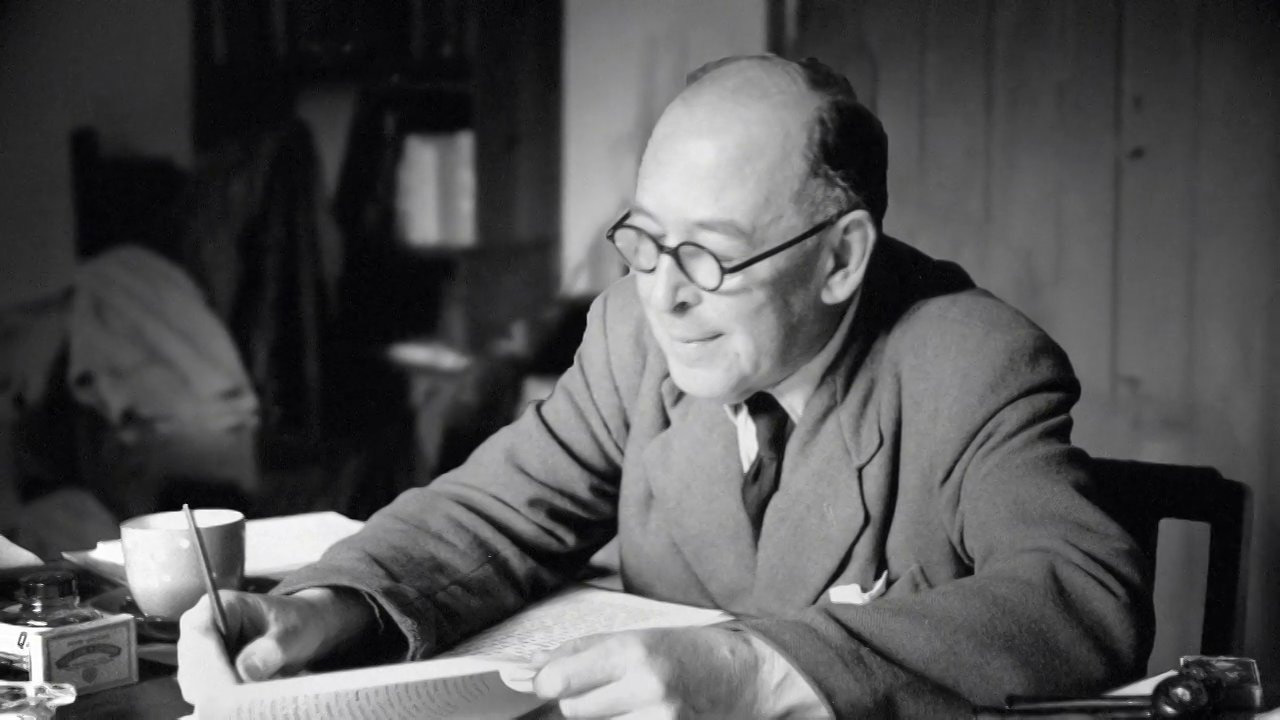
“I don’t deserve a share in governing a hen-roost, much less a nation. Nor do most people — all the people who believe advertisements, and think in catchwords and spread rumors. The real reason for democracy is just the reverse. Mankind is so fallen that no man can be trusted with unchecked power over his fellows. Aristotle said that some people were only fit to be slaves. I do not contradict him. But I reject slavery because I see no men fit to be masters.”
C. S. Lewis, “Equality,” The Spectator, Vol. CLXXI (27 August 1943).
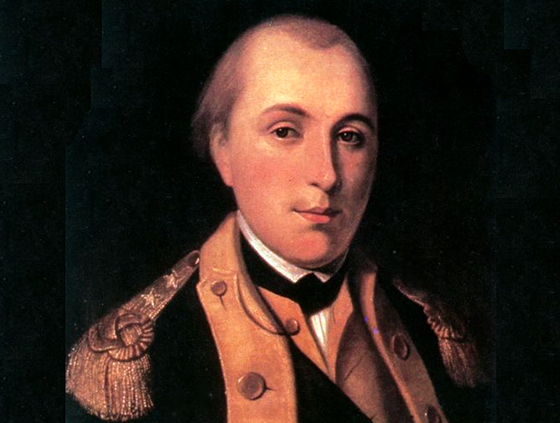
On December 7, 1776, the Marquis de Lafayette arranged to enter the American military as a major general. On the same date in 1787, Delaware became the first state to ratify the United States Constitution.
The 1941 date marks, of course, “the day that will live in infamy,” when Japan bombed Pearl Harbor.

In the face of terrorism and mass murder, some reach for their weapons — in self-defense.
Others reach . . . to take away our rights. Expanding on Friday’s thoughts, Your Column Sense columnist essays a new domino cascade, at Townhall.com. Click on over, then come back here, for more reading:
On December 6, 1865, the Thirteenth Amendment to the United States Constitution was ratified, banning slavery in all states and territories.
In 1917 on this date, Finland declared independence from Russia.
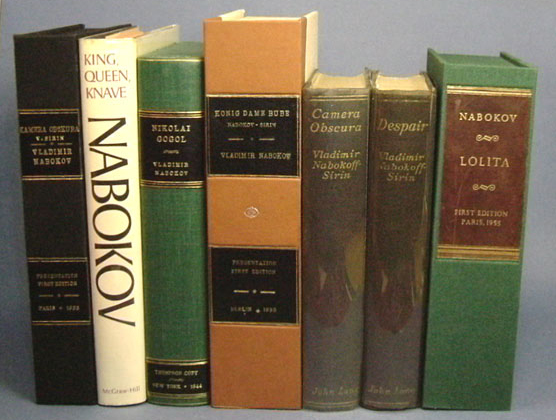
Vladimir Nabokov completed his controversial novel Lolita on the Sixth of December in 1953, and would soon find himself embroiled in censorship and related publishing difficulties, though with no trouble in the United States when it was eventually published by G. P. Putnam’s Sons in 1958.
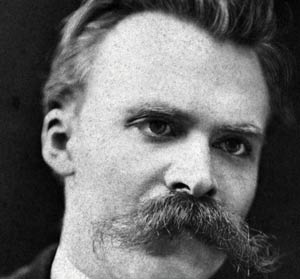
Mathematics would certainly have not come into existence if one had known from the beginning that there was in nature no exactly straight line, no actual circle, no absolute magnitude.
Friedrich Nietzsche, Human All-Too-Human: A Book for Free Spirits, 1878-1886.
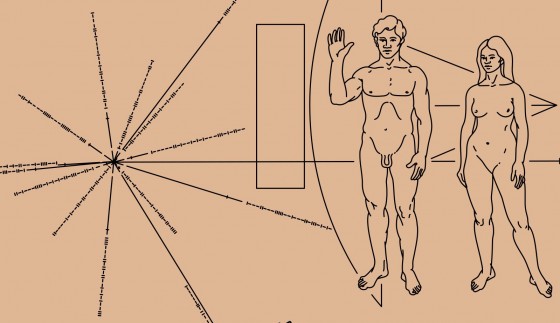
What happens to civilization partly depends upon . . . dating?
Could be.
If successful men and women find themselves at an impasse in “the mating market,” and not producing children, the habits of success do not get passed to the next generation along with capital in the most natural and efficient way. And civilization itself can suffer. So, the perennial comedy of mate selection is no laughing matter:
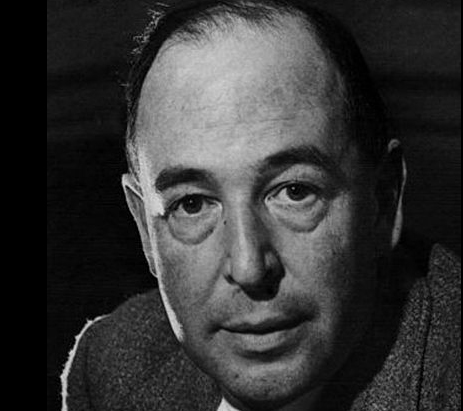
“I live in the Managerial Age, in a world of ‘Admin.’ The greatest evil is not now done in those sordid ‘dens of crime’ that Dickens loved to paint. It is not done even in concentration camps and labour camps. In those we see its final result. But it is conceived and ordered (moved, seconded, carried, and minuted) in clean, carpeted, warmed, and well-lighted offices, by quiet men with white collars and cut fingernails and smooth-shaven cheeks who do not need to raise their voice. Hence, naturally enough, my symbol for Hell is something like the bureaucracy of a police state or the offices of a thoroughly nasty business concern.”
C. S. Lewis, Screwtape Letters, Preface, 1942.
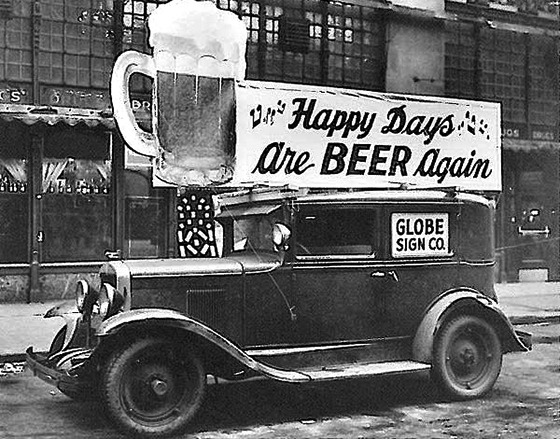
On December 5, 1933, nationwide alcohol Prohibition in the United States ended after Utah became the 36th U.S. state to ratify the 21st Amendment to the United States Constitution, thus establishing the required 75 percent of states needed to enact the amendment that overturned the 18th.
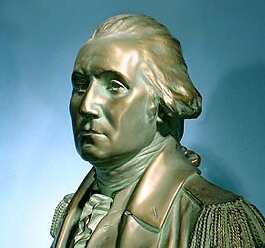
On December 4, 1783, at Fraunces Tavern in New York City, General George Washington formally bade his officers farewell.