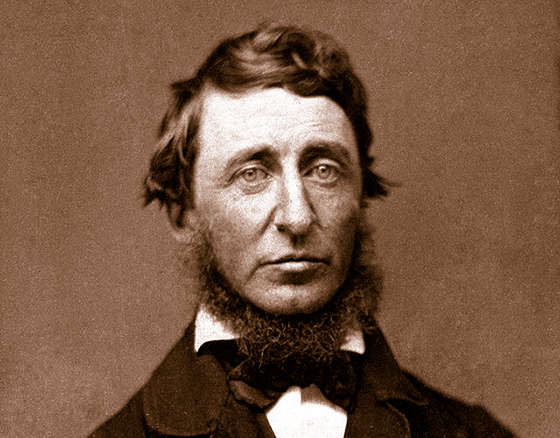
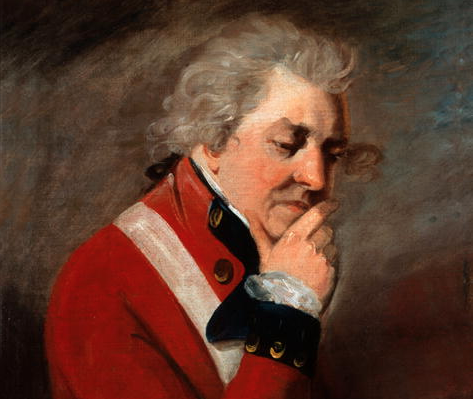
“War is a racket. It is the only one international in scope. It is the only one in which the profits are reckoned in dollars and the losses in lives.”
Smedley Butler, War Is a Racket
, 1935
“War is a racket. It is the only one international in scope. It is the only one in which the profits are reckoned in dollars and the losses in lives.”
Smedley Butler, War Is a Racket
, 1935
There are a lot of adults who want to ruin a fun time for your kids — and you. But you can fight back, without harm to anyone! From The Rebel Media:
“There are only two things we should fight for. One is the defense of our homes and the other is the Bill of Rights.”
Smedley Butler, War Is a Racket
, 1935
It has not yet been recorded that any human being has gained a very large or permanent contentment from meditation upon the fact that he is better off than others.
Sinclair Lewis, Main Street (1920).
“I hate victims who respect their executioners.”
Jean-Paul Sartre, Les Séquestrés d’Altona: A Play in Five Acts, 1960
Just tell the truth, and they’ll accuse you of writing black humor.
Charles Willeford, personal motto, quoted in Marshall Jon Fisher, “The Unlikely Father of Miami Crime Fiction,” The Atlantic Monthly, May 2000.
“This is the contradiction of racism, colonialism, and all forms of tyranny: in order to treat a man like a dog, one must first recognize him as a man.”
Jean-Paul Sartre, Critique of Dialectical Reason, 1960
War without any declaration — or even a legal authorization of force from Congress — is the modern way, Constitution be . . . ignored. Both Obama and Congress fudge it. The better never to confront reality.
Click on over to Townhall.com. Then come back here for this weekend’s draught of common sense:
On October 25, 1806, the German philosopher known as Max Stirner was born — as Johann Kaspar Schmidt. Stirner developed a radical individualism, which under the name of “egoism” became culturally chic in the late 19th and early 20th centuries, with proponents as different as composer Richard Strauss and journalist Benjamin R. Tucker. In addition to Der Einzige und sein Eigentum, a major work that was famously attacked by Karl Marx at great and hysterical length, he translated Adam Smith’s Wealth of Nations and Jean-Baptiste Say’s Traite d’Economie Politique into German.
Stirner died in 1856. His best-known representation, the caricature above, was sketched by his opponent among the Young Hegelians, Friedrich Engels. His most famous book, usually translated as The Ego and Its Own, became, in the words of art critic Herbert Read, “stuck in the gizzard” of Western culture.
This report came two days before an American soldier was killed in combat in Iraq.
https://youtu.be/1p7khnhzdrc