Surely it is much more generous to forgive and remember, than to forgive and forget.
Maria Edgeworth, “An Essay on the Noble Science of Self-Justification” in Tales and Novels, vol. 1, p. 213.
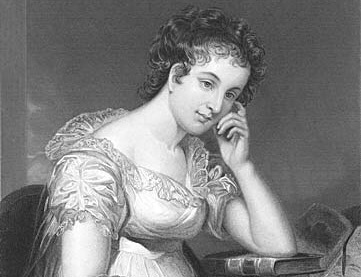
Surely it is much more generous to forgive and remember, than to forgive and forget.
Maria Edgeworth, “An Essay on the Noble Science of Self-Justification” in Tales and Novels, vol. 1, p. 213.
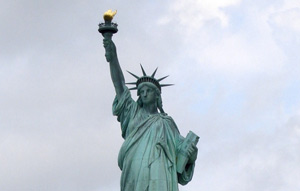
On October 28, 1886, in New York Harbor, the Statue of Liberty was dedicated by President Grover Cleveland, despite the fact that the monument was not a federally funded project.
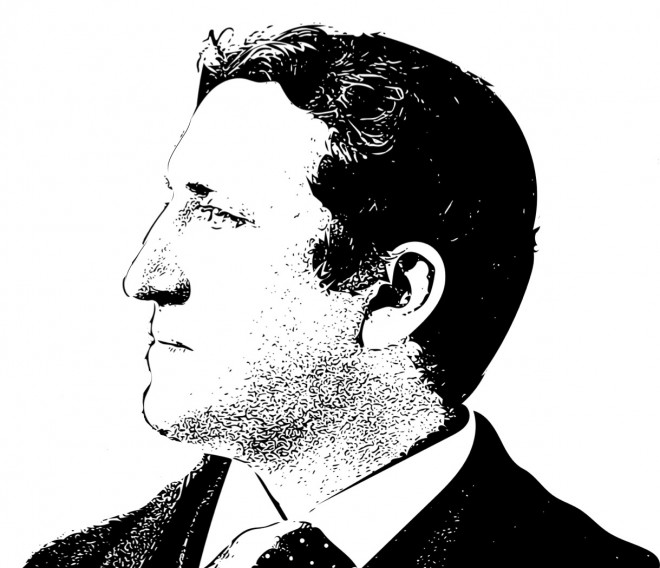
Socialism is but the further screwing up of the State machine to limit the individual.
James Huneker, in Egoists: A Book of Supermen (1913), p. 364.
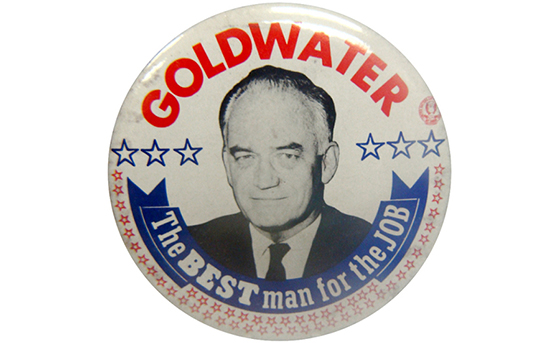
On October 27, 1964, Ronald Reagan delivered a speech on behalf of Republican candidate for president, Barry Goldwater, thereby launching Reagan’s political career. The speech came to be known as “A Time for Choosing.”
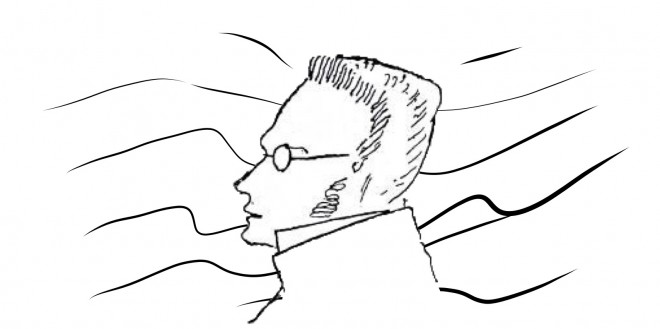
What matters the party to me? I shall find enough anyhow who unite with me without swearing allegiance to my flag.
Max Stirner, Der Einzige und sein Eigenthum translated by Steven T. Byington (1907).
Illustration of Stirner by Friedrich Engels, modified.
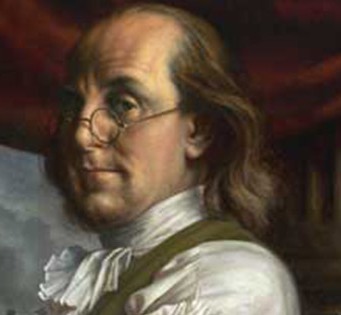
On October 26, 1774, the first Continental Congress adjourned in Philadelphia, Pennsylvania. Exactly one year later, King George III of Great Britain went before Parliament to declare the American colonies in rebellion. And one year later yet, to the day, in 1776, septuagenerian Benjamin Franklin departed from America for France, seeking financial support for the American Revolution.
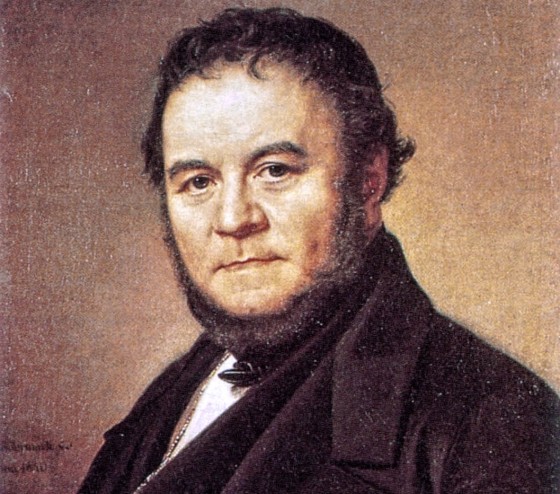
No man with a face capable of a hundred shades of expression can be ugly.
James Huneker, a portrait of “A Sentimental Education: Henry Beyle — Stendhal” [pictured above], in Egoists: A Book of Supermen (1913), p. 2.
On October 25, 1806, the German philosopher Max Stirner was born. Stirner was known for his radical individualism, which under the name of “egoism” became culturally chic in the late 19th and early 20th centuries. In addition to Der Einzige und sein Eigentum, a major work that was famously attacked by Karl Marx, he translated Adam Smith’s Wealth of Nations into German.
Der Einzige und sein Eigentum has been translated into English as The Ego and Its Own and The Ego and His Own.
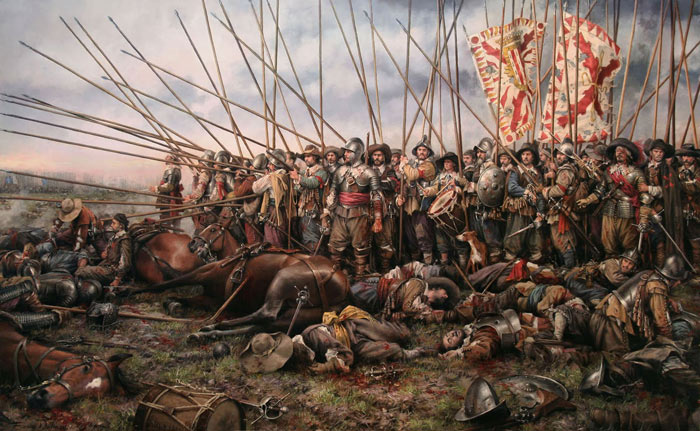
On October 24, 1648, the Peace of Westphalia was signed, marking the end of the Thirty Years’ War.
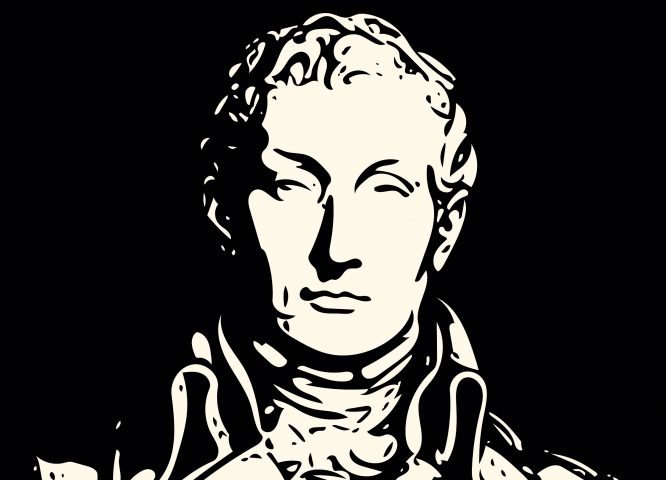
Alas, if man is blind, shall his misfortune be also his crime? I may have mistaken the voice of reason; but never, knowingly, have I rejected its authority.
C. F. Volney, The Ruins, or, Meditation on the Revolutions of Empires (1793; second English-language edition, the Philadelphia translation, 1802).