Modern fashions of thinking have done a deadly hurt to the happiness of our race by their insistence upon the helplessness of the mind and the will.
John Cowper Powys, A Philosophy of Solitude (1933), p. 122

Modern fashions of thinking have done a deadly hurt to the happiness of our race by their insistence upon the helplessness of the mind and the will.
John Cowper Powys, A Philosophy of Solitude (1933), p. 122
August 29 marks the 1632 birthday of British philosopher John Locke, author of Two Treatises of Government, and one of the strongest intellectual influences on America’s 18th century secessionist movement and subsequent constitutional thinking. Locke died on October 28, 1704.
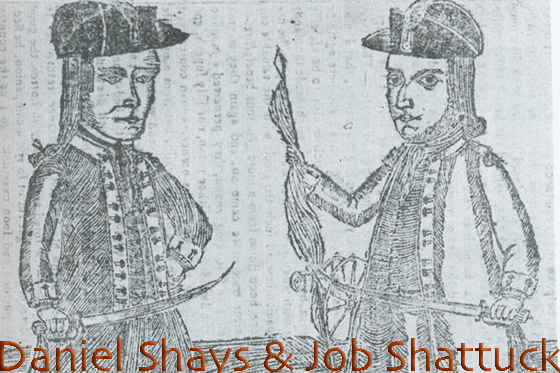
On August 29, 1786, Shays’ Rebellion began. The rebellion was an armed uprising of Massachusetts farmers reacting very negatively against the high debt and tax burdens enacted to pay off the Revolutionary War. This rebellion scared American leaders into revising the Articles of Confederation, a process that led not to a mere few changes, but to the writing of a whole new Constitution.
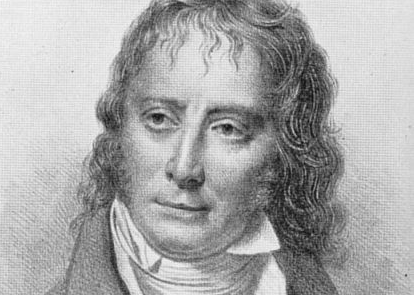
The representative system is nothing but an organization by means of which a nation charges a few individuals to do what it cannot or does not wish to do herself. Poor men look after their own business; rich men hire stewards. This is the history of ancient and modern nations. The representative system is a proxy given to a certain number of men by the mass of the people who wish their interests to be defended and who nevertheless do not have the time to defend them themselves.
But, unless they are idiots, rich men who employ stewards keep a close watch on whether these stewards are doing their duty, lest they should prove negligent, corruptible, or incapable; and, in order to judge the management of these proxies, the landowners, if they are prudent, keep themselves well informed about affairs, the management of which they entrust to them. Similarly, the people who, in order to enjoy the liberty that suits them, resort to the representative system, must exercise an active and constant surveillance over their representatives, and reserve for themselves, at times that should not be separated by too lengthy intervals, the right to discard them if they betray their trust, and to revoke the powers they might have abused.
Benjamin Constant, On the Liberty of the Ancients Compared to that of the Moderns (“De la Liberté des Anciens Comparée à celle des Modernes,”1819)

On August 28, 1833, the Slavery Abolition Act received Royal Assent, formally abolishing slavery throughout most the British Empire.

The weird world of Trump’s America: it must be frustrating to be an insider now, since all the old rules about loyalty, decency, and acceptability have been turned on their head. This has important consequences for future politics. Click on over to Townhall for the Common Sense of an uncommon age.
Then come back here, to carry on the conversation.
This column of August 27, 2017, will be available on this site on Tuesday.
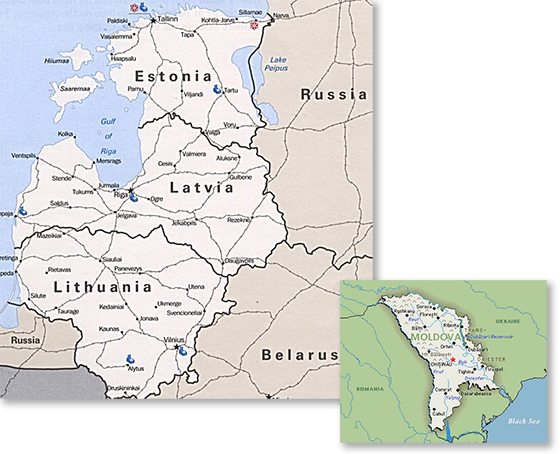
On August 27, 1991, the European Community recognized the independence of the Baltic states of Estonia, Latvia and Lithuania, and Moldova after they had declared their independence from the USSR.
Once liberated from ambition, a person has nothing to lose by being taken for a fool.
John Cowper Powys, A Philosophy of Solitude (1933), p. 57

The latest Reason TV parody:
It seems eerily familiar, though:
Maybe because the “Fake News” problem isn’t over at CNN, or elsewhere.
Oh, and here’s another one from just a few weeks ago. It doesn’t haven’t much to do with CNN, though:
Notice the pattern? I mean, other than that Remy is funny?
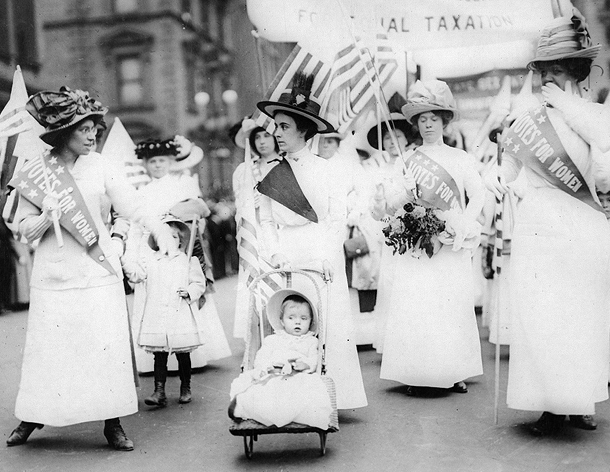
On August 26, 1920, the 19th amendment to United States Constitution took effect, giving women the right to vote in every state of the union.
Prior to the passage of this amendment, 15 states allowed women to vote. Most of them were west of the Mississippi. The territory of Wyoming was the first to extend voting rights to women in 1869.

The proper study of mankind is books.
Aldous Huxley, Crome Yellow (1921), Ch. XXVIII.