Categories
video

How to Change the World, One You at a Time

Our first step in making a better world is, almost certainly, making ourselves better. Understandably, we do not mention this that often when dealing with public policy, but, when it comes right down to it….

Categories
Today

Spain and Bagehot

On February 3, 1783, Spain recognized United States independence.

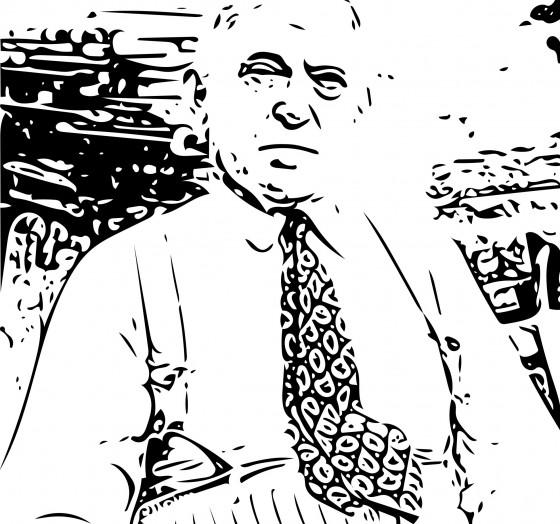
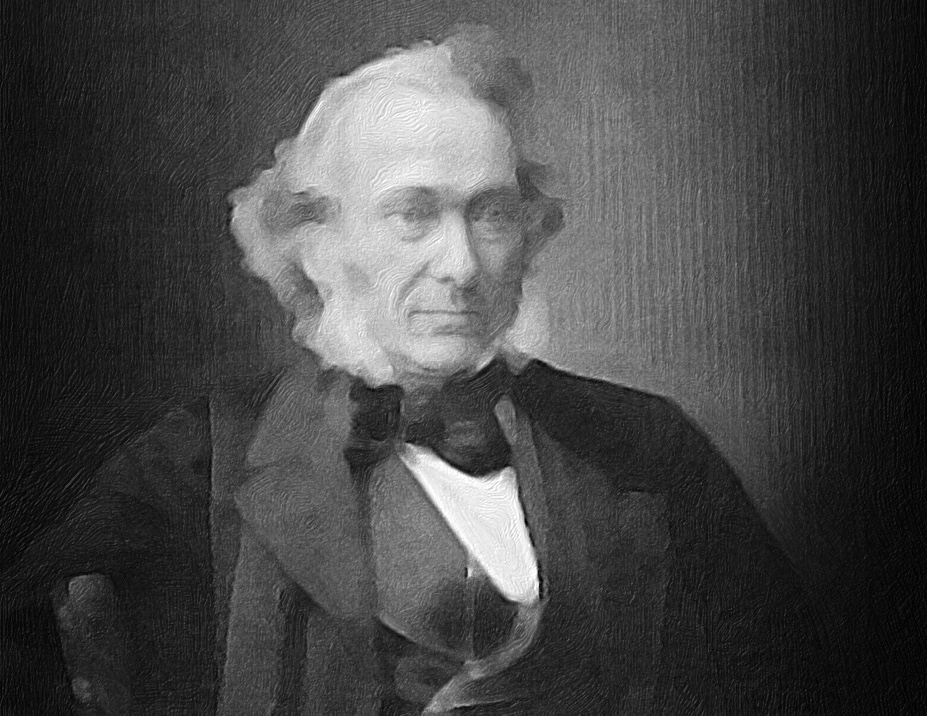
Walter Bagehot (pronounced “badge-it”; pictured), famed editor of The Economist and author of Lombard Street, was born on this date in 1826.

Categories
Thought

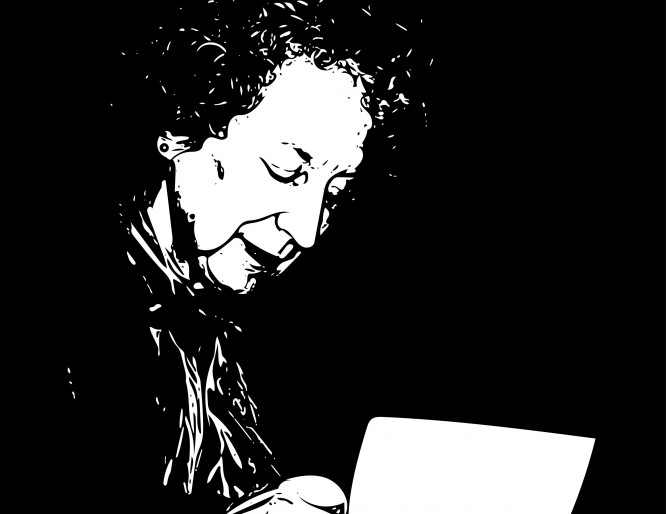
Margaret Atwood

War is what happens when language fails.


Margaret Atwood, The Robber Bride (1993), Ch. 6

Categories
Today

Groundhog!

On February 2, 1887, Punxsutawney, Pennsylvania, celebrated the first Groundhog Day. On the same day in 1976, the Groundhog Day gale hit the north-eastern United States and south-eastern Canada.

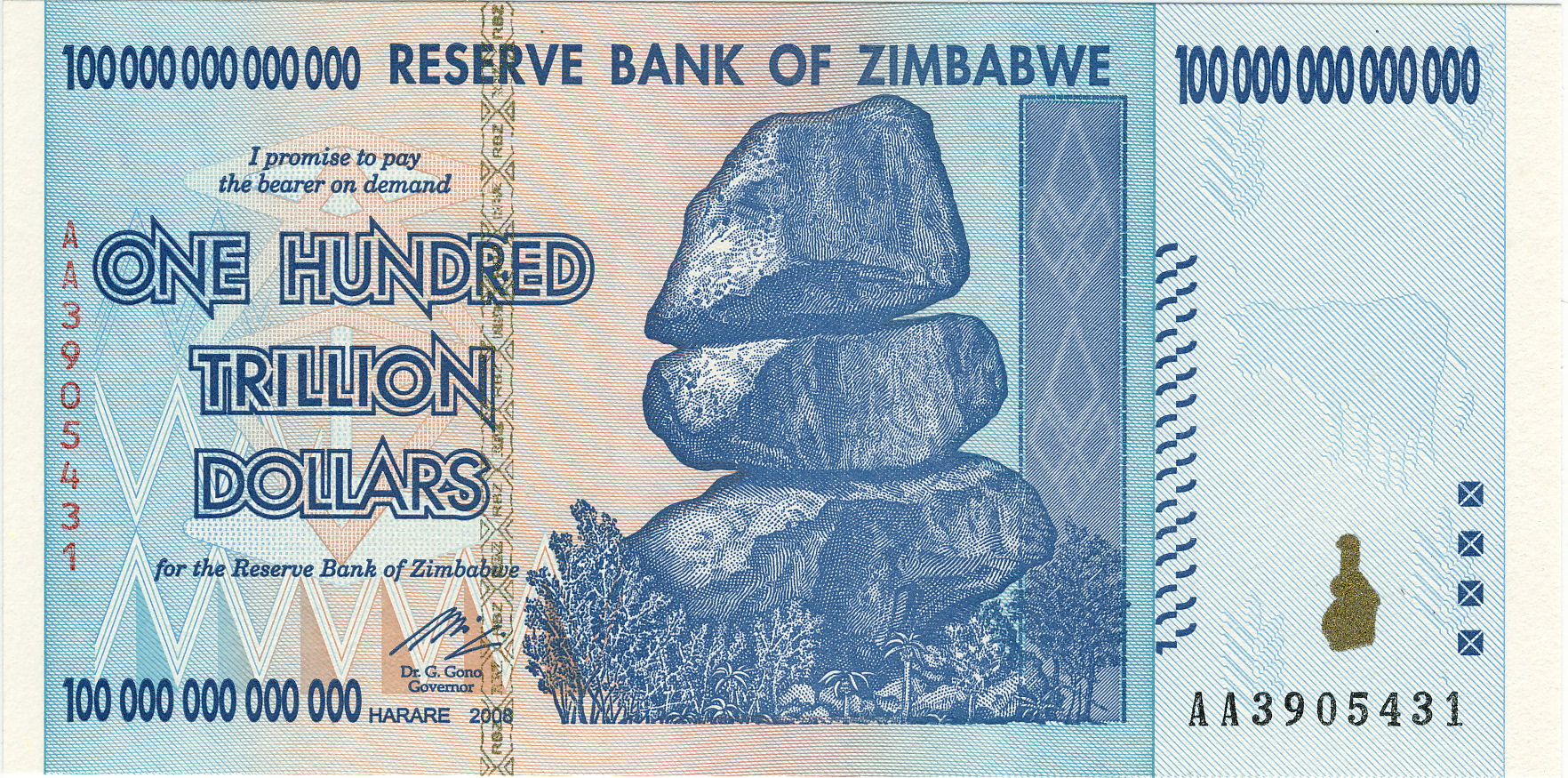
In 2009, the Reserve Bank of Zimbabwe officially devalued the Zimbabwean dollar for the third and final time, making Z$1 trillion now only Z$1 of the new currency, equivalent to Z$10 septillion before the first devaluation. Politicians in Zimbabwe looked up, saw their shadow, and realized that they had only a couple months more of their inflation binge. Indeed, the legalization of trading currencies, the previous month, had sealed the fate of Zimbabwe’s independent dollar. The Zimbabwean dollar was abandoned officially on the 9th of April, 2009.

Categories
Thought

H. L. Mencken

My plan is to let people do whatever they please, so long as they do not invade the right and freedom of other persons to do the same.

Categories
Thought

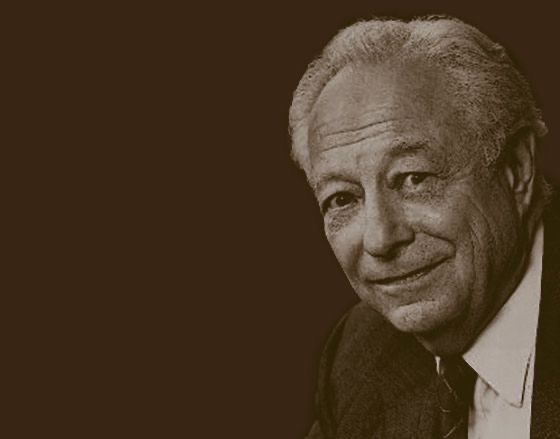
Irving Kristol

When we lack the will to see things as they really are, there is nothing so mystifying as the obvious.

Irving Kristol, “‘When virtue loses all her loveliness’ — some reflections on Capitalism and ‘the free society,’” National Affairs, No. 21, Fall 1970.

Categories
Today

Slavery Abolished

On February 1, 1835, slavery was abolished in Mauritius. Twenty-six years later, in the American Civil War, Texas seceded from the United States. On this date in 1865, President Abraham Lincoln signed a Joint Resolution from Congress formally submitting the proposed Thirteenth Amendment to the United States Constitution to the states for ratification.

This Amendment abolished chattel slavery throughout the union.

Categories
Today

Corn Law

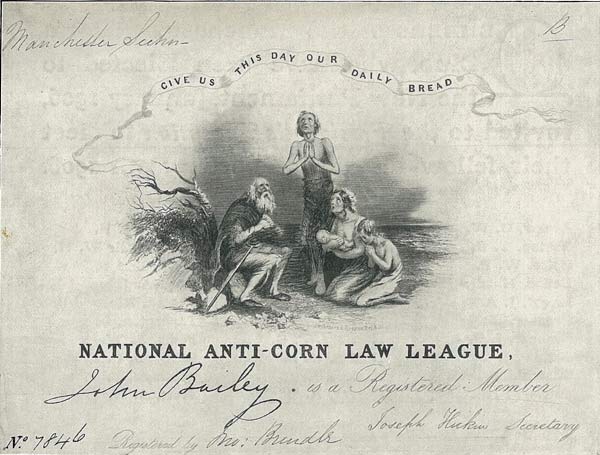
On January 31, 1849, the Corn Laws were abolished in the United Kingdom, one of the most impressive and far-reaching anti-protectionist moves of all time. “Corn” stood for all grains, including wheat, oats, barley, etc.; the free-trade agitation by John Bright and Richard Cobden was one of the main impetuses for the reform.

On Jan. 31, 1865, the United States Congress proposed the Thirteenth Amendment to the U.S. Constitution, submitting it to the states for ratification. The Amendment’s main section reads: “Neither slavery nor involuntary servitude, except as a punishment for crime whereof the party shall have been duly convicted, shall exist within the United States, or any place subject to their jurisdiction.”

On Jan. 31, 1990, the first McDonald’s fast food restaurant opens in the Soviet Union. Having once traveled to Moscow, I’m exceedingly thankful for this.

Categories
Thought

Richard Cobden

How can protection, think you, add to the wealth of a country? Can you by legislation add one farthing to the wealth of the country? You may, by legislation, in one evening, destroy the fruits and accumulation of a century of labour; but I defy you to show me how, by the legislation of this House, you can add one farthing to the wealth of the country. That springs from the industry and intelligence; you cannot do better than leave it to its own instincts. If you attempt by legislation to give any direction to trade or industry, it is a thousand to one that you are doing wrong; and if you happen to be right, it is work of supererogation, for the parties for whom you legislate would go right without you, and better than with you.

Categories
Thought

Virginia Woolf

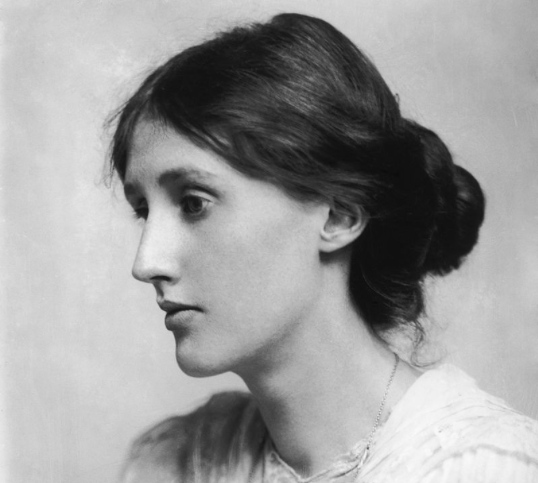
Rigid, the skeleton of habit alone upholds the human frame.