On September 28, 2008, SpaceX launched the Falcon 1, the first private spacecraft to go into orbit around planet Earth.

On September 28, 2008, SpaceX launched the Falcon 1, the first private spacecraft to go into orbit around planet Earth.

Lancaster, Pennsylvania — home to James Buchanan, Jr., the nation’s 15th president, and to congressman, abolitionist and “Radical Republican” Thaddeus Stevens — served, during the American Revolution, as the capital of the United States for one day, on September 27, 1777.
This occurred after the Continental Congress fled Philadelphia, which had been captured by the British. The revolutionary government then moved still farther away, to York.
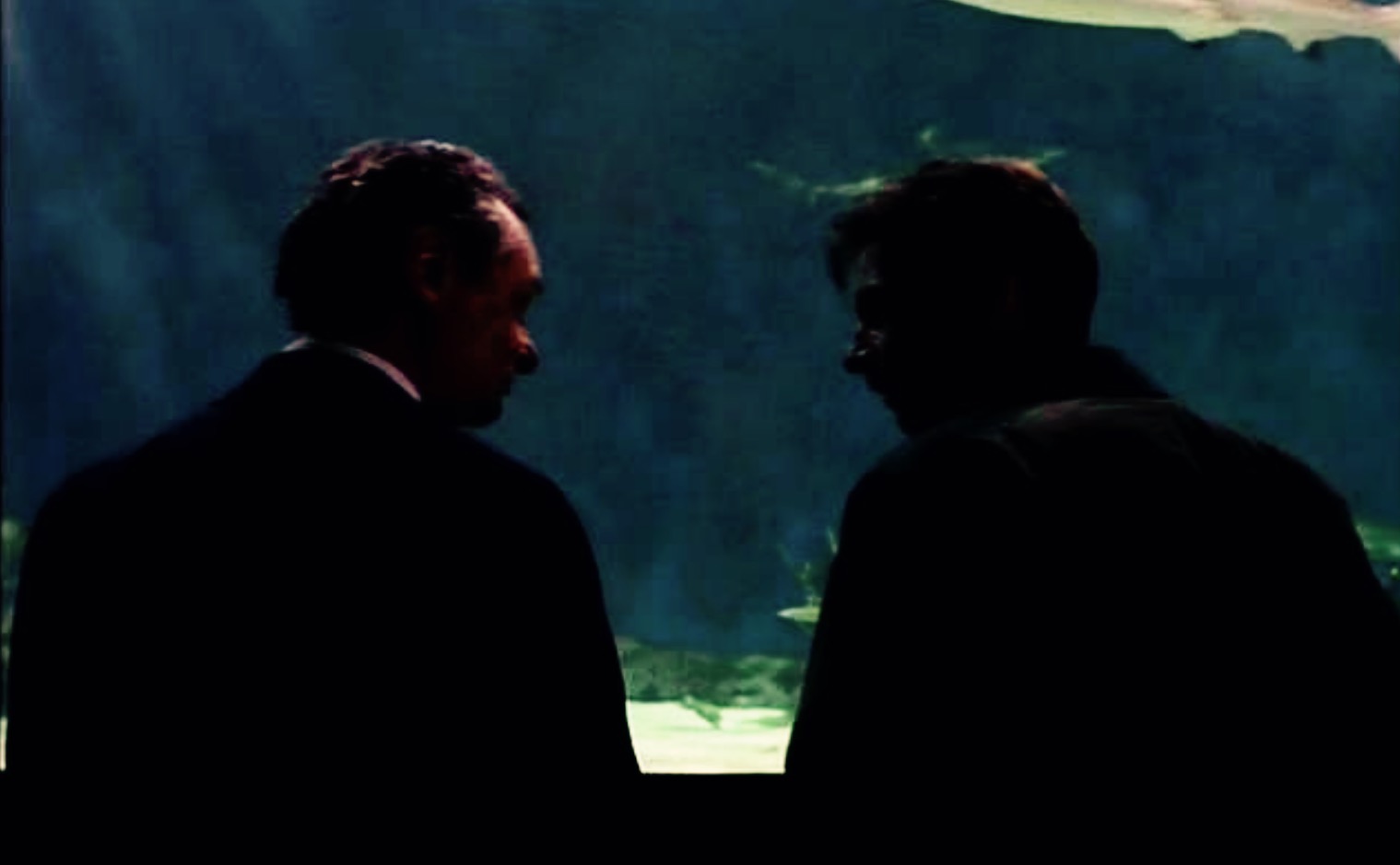
Deep Throat to FBI agent Fox Mulder The X-Files in the first season episode, “E.B.E.” (1993), written by Glen Morgan and James Wong.
A lie, Mr. Mulder, is most convincingly hidden between two truths.
On September 26, 1786, protestors shut down the court in Springfield, Massachusetts, beginning a military standoff and ushering in Shays’ Rebellion. This anti-tax revolt spurred a dramatic reaction on the part of the day’s politicians, including their attempts to reform the Articles of Confederation and to figure out better ways than high state taxes to pay off Revolutionary War debts. These efforts directly led to the adoption of a new Constitution.
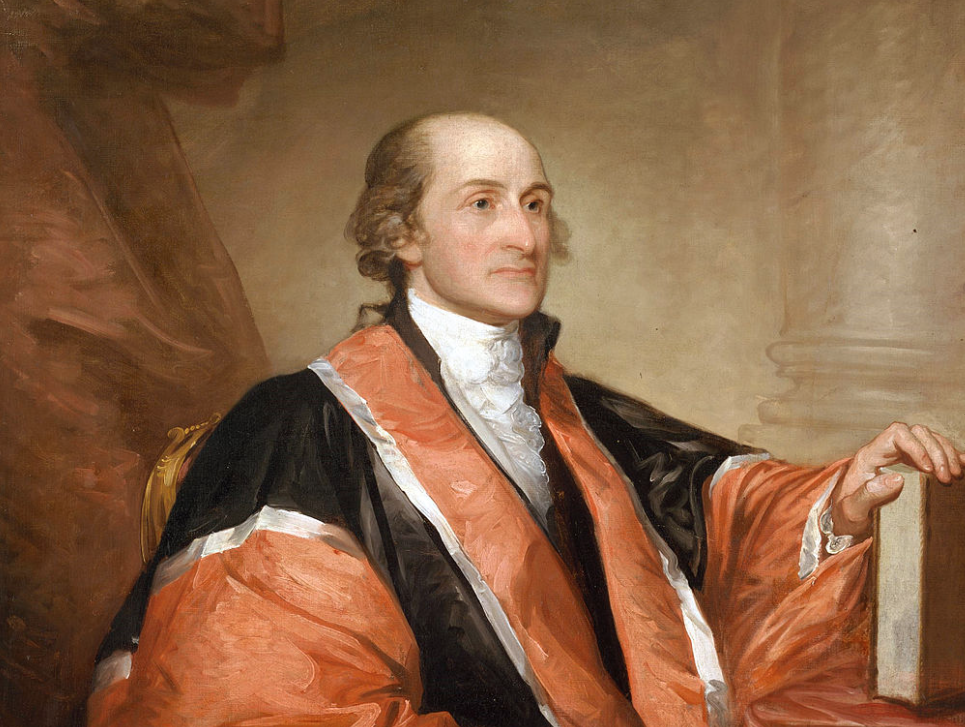
Three years later, to the day, Thomas Jefferson was appointed the first United States Secretary of State, John Jay (pictured) was appointed the first Chief Justice of the United States, Samuel Osgood was appointed the first United States Postmaster General, and Edmund Randolph was appointed the first United States Attorney General — all under the new Constitution.
In 1960 on this date, John F. Kennedy and Richard M. Nixon engaged in the first televised presidential campaign debates.
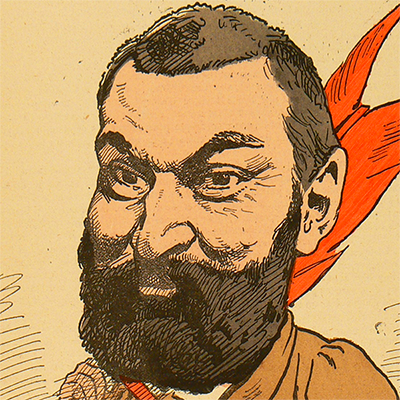
When the first fire-engine appeared in Japan the carpenters asked to have it removed because it robbed workmen of the employment provided by fires. Bastiat himself never invented anything better.
Yves Guyot, The Comedy of Protection, 1906, viii, referring to Frédéric Bastiat’s infamous satires on protectionism, such as “The Candle-makers’ Petition” and the “Negative Railroad.”
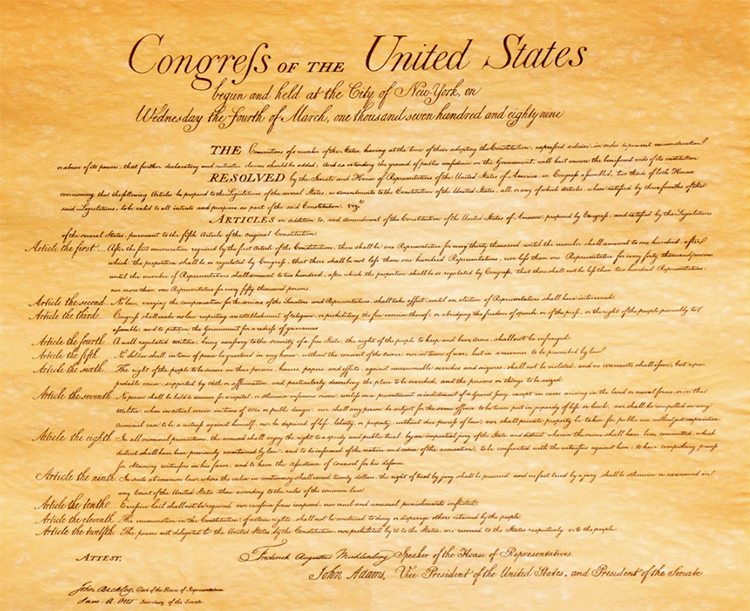
On September 25, 1789, the U.S. Congress passed twelve amendments to the United States Constitution: the Congressional Apportionment Amendment (which was never ratified), the Congressional Compensation Amendment, and the ten that are known as the Bill of Rights.
Earlier on that date, in 1555, the Peace of Augsburg was signed in Augsburg by Charles V and the princes of the Schmalkaldic League.
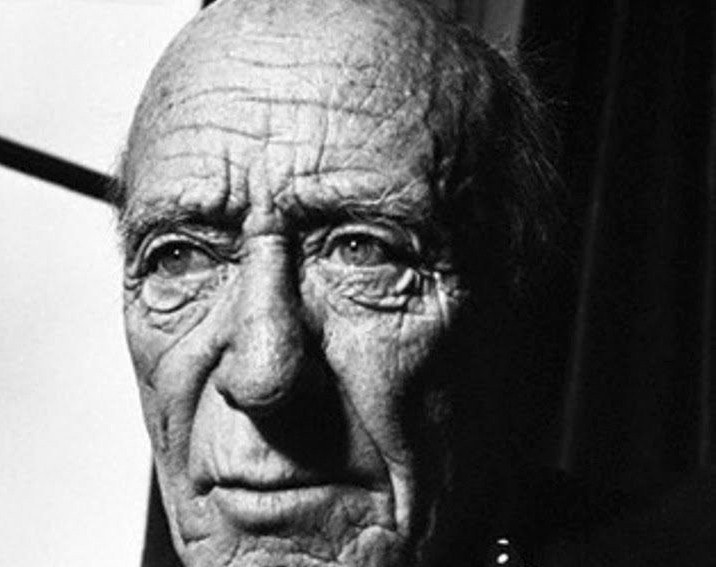
The Wise are silent, the Foolish speak, and children are thus led astray.

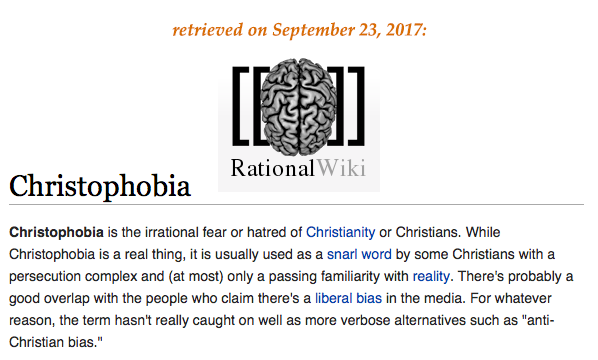
The War on Christmas may be bigger than it seems — seems to some secularists, anyway. Click on over to Townhall. Then come back here for more Horror File material:
Finally, the Biblical passage referenced in the column is from the King James Version, Matthew 7.3: “And why beholdest thou the mote that is in thy brother’s eye, but considerest not the beam that is in thine own eye?” (See also Luke 6.41.)
This column will be published on this site on Tuesday.
On September 24, 1789, the United States Congress passed the Judiciary Act, creating the office of the United States Attorney General and the federal judiciary system, and ordered the composition of the Supreme Court of the United States.
On the same day that President George Washington signed the bill into law, he officially nominated John Jay to the new position of Chief Justice of the Supreme Court. Jay (pictured in his official portrait, above) served in that position until 1795, when he resigned to take up his elected position as second governor of the State of New York. The Supreme Court heard only four cases during Jay’s Chief Justiceship; Jay refused to consult, officially, on legislation written by Alexander Hamilton, establishing the precedent that the Supreme Court has followed to this day: the Court would only rule on cases tried before it.
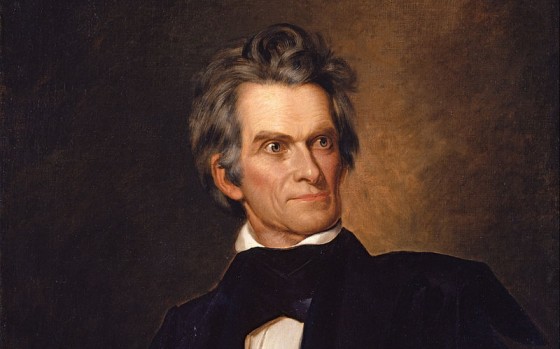
It is harder to preserve than to obtain liberty.
John Caldwell Calhoun, speech in the U. S. Senate (1848). Calhoun’s image (above), a detail from a portrait by George Peter Alexander Healy.