Categories
links

Townhall: Friendly Suicide Advice for the GOP

The Common Sense mission at Townhall.com this weekend is not to defend Mr. Trump’s actions or statements. I did not vote for him – nor did I vote for the Democrats’ even worse alternative. Like other presidents, I support Trump when he agrees with me and oppose him when he is wrong.

But two eminent, non-crank journalists write in The Atlantic (“Boycott the Republican Party”) that the GOP needs to repent and reform, quickly, or else commit harakiri. So, how far off track is the president and the Republican Party? Click on over. Read; then come back.

Categories
Today

Mandela Released

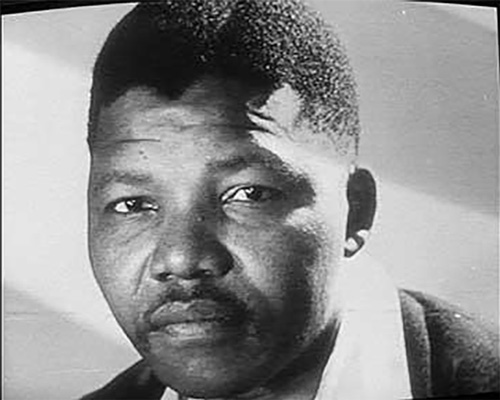
On Feb. 11, 1990, after 27 years in prison, Nelson Mandela was released by South African authorities.

Mandela had joined the African National Congress (ANC) in 1944, becoming deputy national president of the group in 1952. Arrested for treason in 1961, he was acquitted — but then arrested again in 1962 for illegally leaving the country. Convicted and sentenced to five years at Robben Island Prison, he was put on trial again in 1964 on charges of sabotage. He was convicted and sentenced to life in prison along with several other ANC leaders.

In 1989, F.W. de Klerk became South African president and began dismantling apartheid. De Klerk lifted the ban on the ANC, suspended executions, and in February 1990 ordered the release of Nelson Mandela.

Mandela subsequently led the ANC in negotiating an end to apartheid and the establishment of a multiracial government. In 1993, Mandela and de Klerk were jointly awarded the Nobel Peace Prize. One year later, the ANC won the country’s first free elections, and Mandela was elected South Africa’s president.

Categories
video

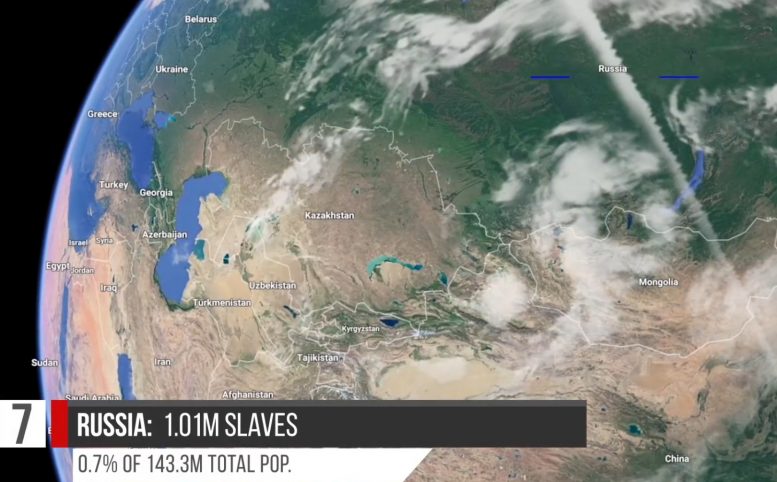
Freedom and Slavery Around the World

It is sad to see the U.S. fall so far in the world freedom rankings. But instructive to see who is on top.

And then, to contrast, see where the actual slavery is:

Categories
Thought

Georgia O’Keeffe

I do not like the idea of happyness — it is too momentary — I would say that I was always busy and interested in something — interest has more meaning to me than the idea of happyness.


Georgia O’Keeffe, a corrective note marked in Anita Pollitzer’s mss. biography of the artist.

Categories
Today

The Twenty-Fifth

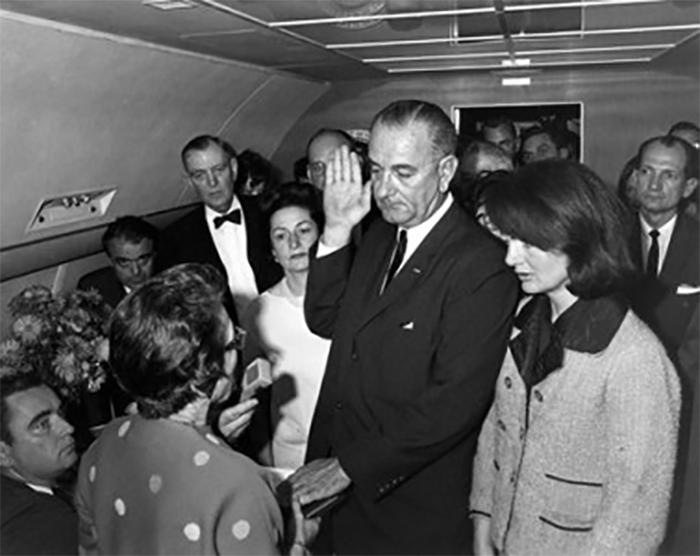
On Feb. 10, 1967, the 25th Amendment to the U.S. Constitution was ratified by Nevada, the necessary 38th state to do so. The amendment sets the process for presidential succession, and reads:

Section 1. In case of the removal of the President from office or of his death or resignation, the Vice President shall become President.

Section 2. Whenever there is a vacancy in the office of the Vice President, the President shall nominate a Vice President who shall take office upon confirmation by a majority vote of both Houses of Congress.

Section 3. Whenever the President transmits to the President pro tempore of the Senate and the Speaker of the House of Representatives his written declaration that he is unable to discharge the powers and duties of his office, and until he transmits to them a written declaration to the contrary, such powers and duties shall be discharged by the Vice President as Acting President.

Section 4. Whenever the Vice President and a majority of either the principal officers of the executive departments or of such other body as Congress may by law provide, transmit to the President pro tempore of the Senate and the Speaker of the House of Representatives their written declaration that the President is unable to discharge the powers and duties of his office, the Vice President shall immediately assume the powers and duties of the office as Acting President.

Thereafter, when the President transmits to the President pro tempore of the Senate and the Speaker of the House of Representatives his written declaration that no inability exists, he shall resume the powers and duties of his office unless the Vice President and a majority of either the principal officers of the executive department or of such other body as Congress may by law provide, transmit within four days to the President pro tempore of the Senate and the Speaker of the House of Representatives their written declaration that the President is unable to discharge the powers and duties of his office. Thereupon Congress shall decide the issue, assembling within forty-eight hours for that purpose if not in session. If the Congress, within twenty-one days after receipt of the latter written declaration, or, if Congress is not in session, within twenty-one days after Congress is required to assemble, determines by two-thirds vote of both Houses that the President is unable to discharge the powers and duties of his office, the Vice President shall continue to discharge the same as Acting President; otherwise, the President shall resume the powers and duties of his office.

Categories
Thought

Vera Smith

A central bank is not a natural product of banking development. It is imposed from outside or comes into being as the result of Government favours. This factor is responsible for marked effects on the whole currency and credit structure which brings it into sharp contrast with what would happen under a system of free banking from which Government protection was absent.


Vera C. Smith, The Rationale of Central Banking (1936)

Categories
Today

The Age of Tom Paine Begins

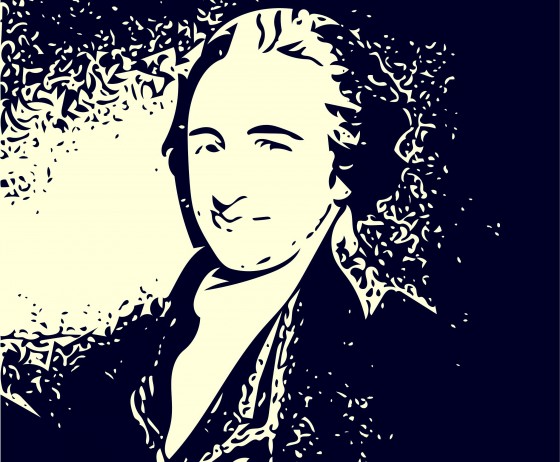
On Feb. 9, 1737, Thomas Paine was born in Thetford, England.

Paine would come to America in 1774 and by 1776 publish Common Sense, urging American independence. Later works included The Rights of Man (1792) and The Age of Reason (published in three parts in 1794, 1795, and 1807).

Paine died in 1809.

Categories
Today

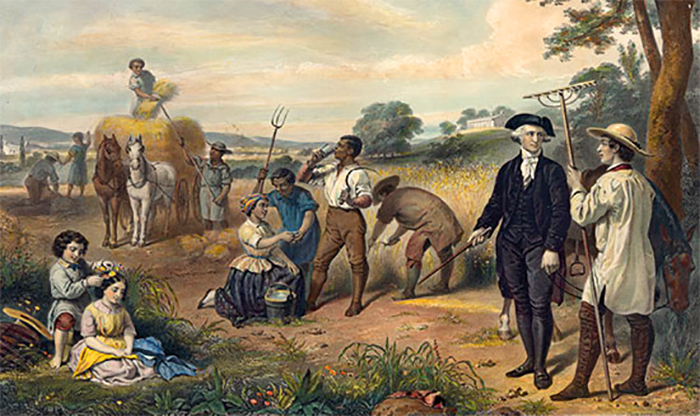
Delaware and Slavery

On February 8, 1865, Delaware voters rejected the Thirteenth Amendment to the U.S. Constitution, voting to continue the practice of slavery. Delaware belatedly and symbolically ratified the amendment on February 12, 1901.

Categories
Thought

Tom Paine

The constitution of a country is not the act of its government, but of the people constituting its government. It is the body of elements, to which you can refer, and quote article by article; and which contains the principles on which the government shall be established, the manner in which it shall be organised, the powers it shall have, the mode of elections, the duration of Parliaments, or by what other name such bodies may be called; the powers which the executive part of the government shall have; and in fine, everything that relates to the complete organisation of a civil government, and the principles on which it shall act, and by which it shall be bound. A constitution, therefore, is to a government what the laws made afterwards by that government are to a court of judicature. The court of judicature does not make the laws, neither can it alter them; it only acts in conformity to the laws made: and the government is in like manner governed by the constitution.


Tom Paine, Rights of Man (1791).

Categories
Thought

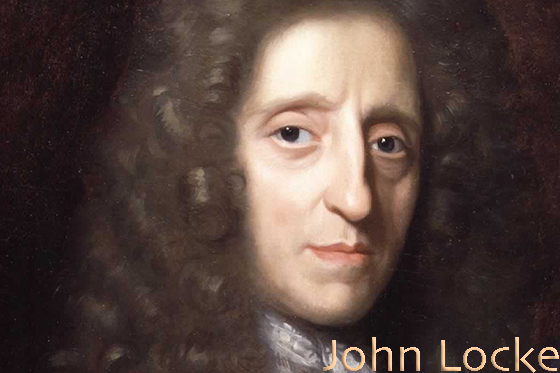
John Locke

Slavery is so vile and miserable an estate of man, and so directly opposite to the generous temper and courage of our nation, that it is hardly to be conceived, that an Englishman, much less a gentleman, should plead for it.