On May 11, 1858, Minnesota was admitted as the 32nd U.S. State.
Nine years later, to the day, the Grand Duchy of Luxembourg’s independence and neutrality were affirmed in the Second Treaty of London.

On May 11, 1858, Minnesota was admitted as the 32nd U.S. State.
Nine years later, to the day, the Grand Duchy of Luxembourg’s independence and neutrality were affirmed in the Second Treaty of London.
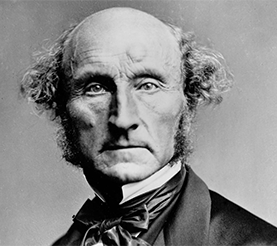
John Stuart Mill, On Liberty (1859), Chapter V, “Applications.”
A general State education is a mere contrivance for moulding people to be exactly like one another; and as the mould in which it casts them is that which pleases the dominant power in the government, whether this be a monarch, an aristocracy, or a majority of the existing generation; in proportion as it is efficient and successful, it establishes a despotism over the mind, leading by a natural tendency to one over the body.
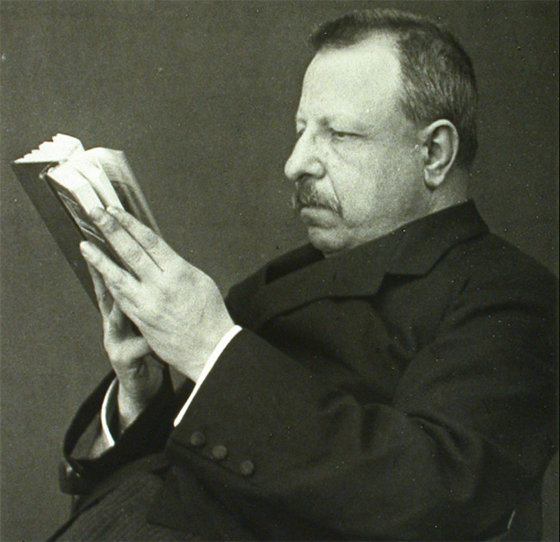
Liberty is not the function of the bourgeoisie or any other economy but rather the human soul and its deep needs; it possesses qualities and origins that are not economic but instead moral and religious. . . .
Benedetto Croce, as quoted in As If God Existed: Religion and Liberty in the History of Italy, by Maurizio Viroli, (Princeton University Press, 2012).

On May 10, 1872, Victoria Woodhull became the first woman nominated for President of the United States.
In a landmark Supreme Court decision on May 10, 1893, the tomato was ruled a vegetable, not a fruit.
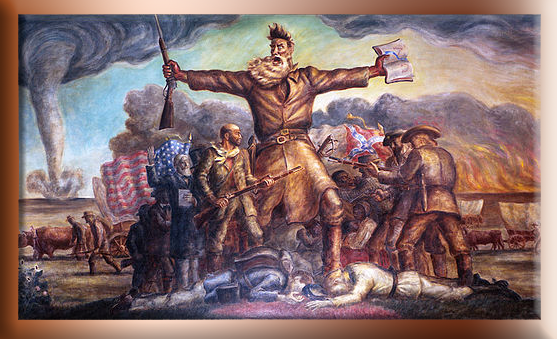
On May 9, 1800, abolitionist revolutionary (and, technically, insurrectionist, possibly a terrorist) John Brown was born.
In 1883 on this date, Spanish philosopher José Ortega y Gasset was born.
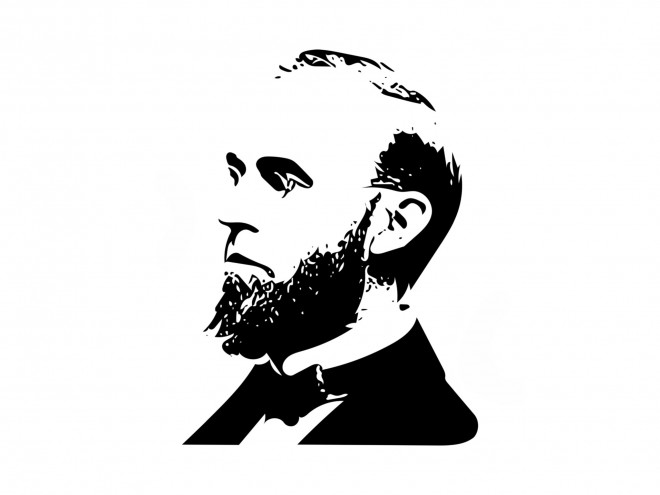
Suppose for a moment, that all taxes of every name could be abolished instantaneously, and the Governments, like the Israelites, live on manna for forty years. What harm would ensue? What industry would decline? Who would be impoverished? What stimulus to work and save and grow rich would be weakened thereby? Would not wages, and profits, and rents, all be lifted thereby, with no damage to anybody? A child can see that Taxes from their very nature are a burden, are a subtraction from income, are a minus and not a plus. Who, then, except from sinister motives, can imagine and represent, that Taxes are a good in themselves, a positive blessing, a spur to the progress of Society?
Arthur Latham Perry, Principles of Political Economy (1891).
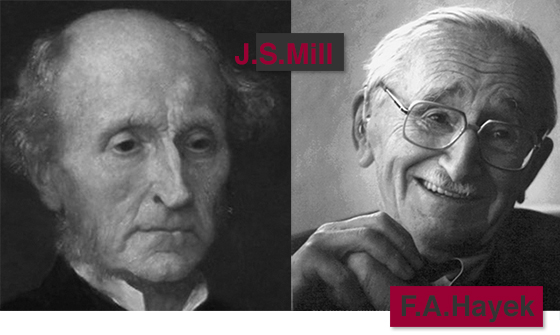
On May 8, 1899, Austrian-English economist and philosopher Friedrich August von Hayek was born. He signed the bulk of his books written in the English language as “F.A. Hayek,” and is best known for The Road to Serfdom, The Constitution of Liberty, The Fatal Conceit, and many essays, several of them which are widely cited, including “Individualism, True and False” and “The Use of Knowledge in Society.”
Years earlier, on the same date in 1873, English philosopher and economist John Stuart Mill died. Now best known for On Liberty and Utilitarianism, Mill’s letters to his wife were edited into book form by Hayek.
On May 8, 1946, two Estonian school girls (Aili Jõgi and Ageeda Paavel) blew up the Soviet memorial which stood in front of the Bronze Soldier in Tallinn.
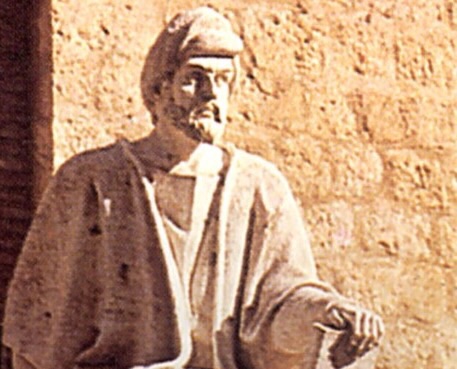
“Knowledge is the conformity of the object and the intellect.”
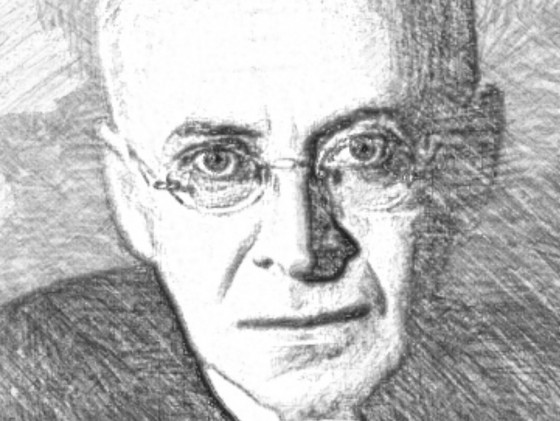
“When someone has behaved like an animal, he says: ‘I’m only human!’ But when he is treated like an animal, he says: ‘I’m human, too!’”
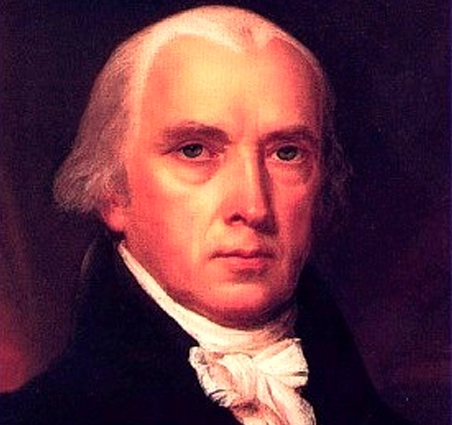
On May 7, 1992, the State of Michigan ratified a 203-year-old proposed amendment to the United States Constitution, thereby fulfilling the terms of amending the document, adding it as 27th Amendment. The amendment had been written by James Madison. He had presented it as part of the original twelve amendments that became the ten making up the Bill of Rights. It bars the U.S. Congress from giving itself a pay raise until after the next election, so that voters have a chance to decide whether those voting for the raise would remain in Congress to receive it.