Civilization first emerged around rivers: In Egypt, the Nile; in the Near East, the Tigris and Euphrates; in China, the Yellow River; and in the India-Pakistan-Afghanistan region, the Indus River Valley. We know the least about the Indus, or Harappan civilization. Its written language is the only one of these major civilizations’ forms of writing that remains uncracked, there being no “Rosetta Stone” for the curious ancient script.
Harappan culture sported elaborate plumbing, but no great monuments. This leads experts to suspect that the culture was “more democratic” than in the other cradles of civilization.
Truth is, we know next to nothing about Harappan governance or politics. By “democratic,” they probably mean “decentralized.” Or at least not heavily militaristic.
And, if that is borne out in further research, that’s huge. The hand of political governance lay quite heavily upon early city folks, and is generally associated with conquest. Could it be that Harappan civilization was freer, more voluntaristic and individualistic than Egyptian, Mesopotamian, and Xia and Shang Dynasty societies?
We can only guess. But on a different Harappan puzzle, there’s a new theory out, purporting to explain what happened to this largest of ancient “empires”: climate change.
The weather got warmer, their riverways dried up, and the people scattered, mainly heading east.
Too bad for the civilization. But note two things:
- The climate change was natural, and
- People reacted naturally, by moving.
If we are experiencing, today, the beginnings of a global climate change, it may very well be natural, and (natural or not) people freely moving about may be the best response to the worst of it.
This is Common Sense. I’m Paul Jacob.

 On June 1, 2009, General Motors files for bankruptcy. The natural course of this fourth largest official business failure was forestalled by the auto maker bailout, which progressives would later ballyhoo as a complete success in that investors and businesses would jump on the rescued company – which is what would have happened in an unbailed-out bankruptcy, anyway.
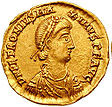 On May 31, 455, the Roman Emperor Flavius Petronius Maximus dies, soon followed by the Vandal sack of Rome. In a system without terms or term limits for rulers, his 78 days at the top of the Western Roman Empire ended as so many did, in violence – in this case by being stoned by an angry mob while fleeing the capital. His body was flung into the Tiber.
 Those animals which are incapable of making binding agreements with one another not to inflict nor suffer harm are without either justice or injustice; and likewise for those peoples who either could not or would not form binding agreements not to inflict nor suffer harm.

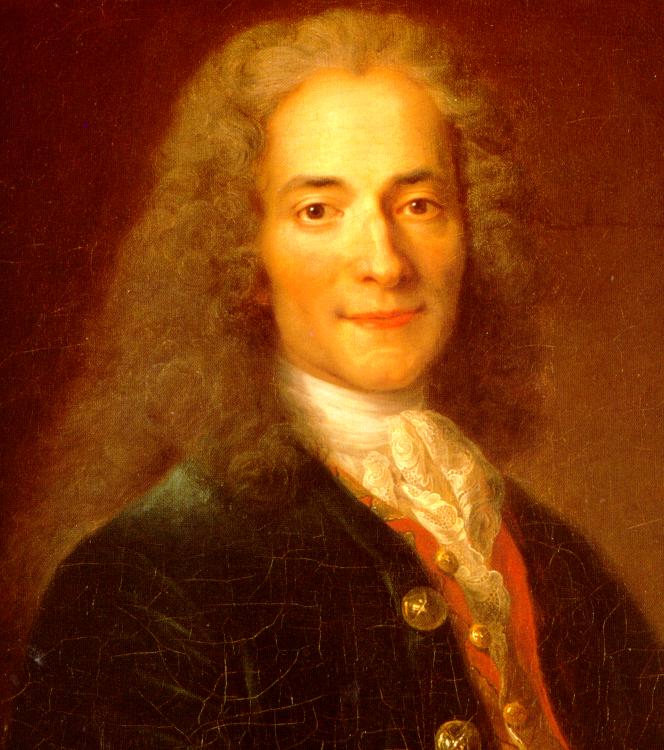 It is forbidden to kill; therefore all murderers are punished unless they kill in large numbers and to the sound of trumpets.