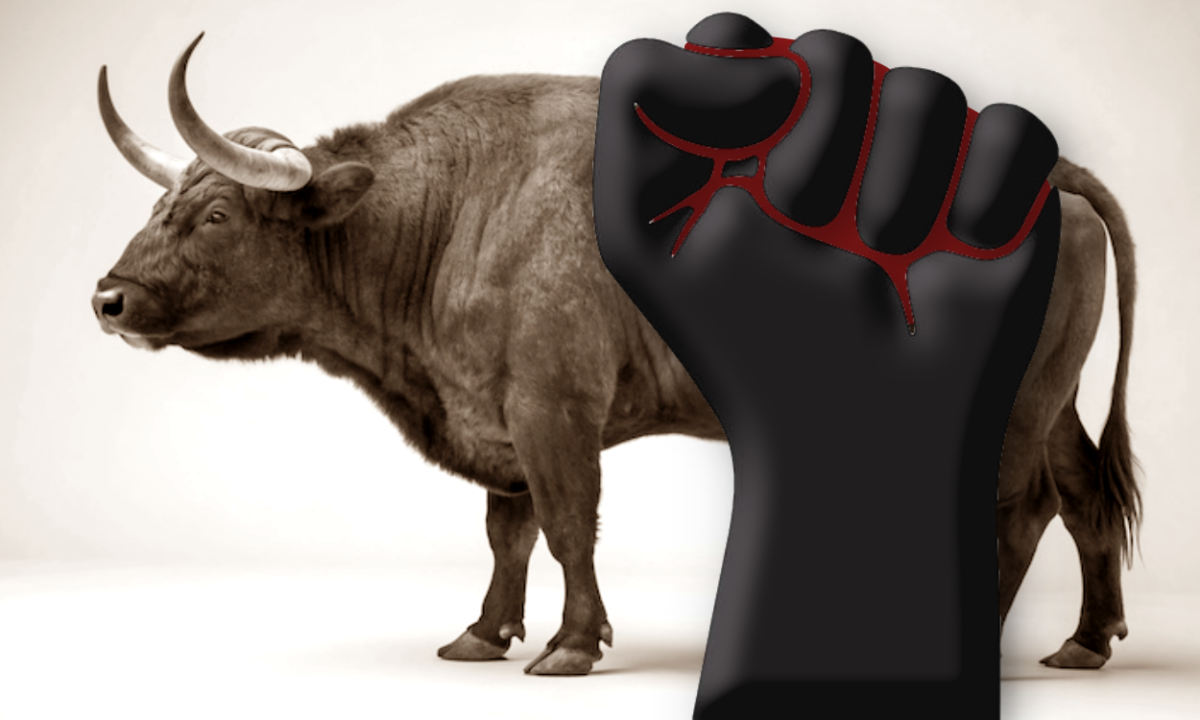
Is cows’ milk white supremacist?
Absurd, on the face of it, but the point sometimes made isn’t that milk is itself racist, promoting milk is.
The current controversy hails from early in the year, from Oregon’s Third Representative District, Maxine Dexter representing. “Please ask for the science-based regimens,” she urged her constituency in Hood River last February. “Not whatever RFK Jr is getting kickbacks on or, you know, whatever whole milk, white supremacy dog-whistling that’s happening right now.”
As seen from outside of Democratic circles, this is just Trump Derangement Syndrome and RFK anti-anti-vaxxer paranoia. That’s how it is still being shared about on social media.
From within these circles, however, it’s an echo of actual tradition, exemplified by Carmen Stănescu in her paper “‘White Power Milk’: Milk, Dietary Racism, and the ‘Alt-Right.’” She argues against the “alt-right’s current use of claims about milk, lactose tolerance, race, and masculinity can be connected to similar arguments originally made during the19th century against colonialized populations and immigration groups.”
“I’m getting a little too political,” Rep. Dexter went on to say, as a means of drawing back a bit. She meant, however, too impolitic.
While Dexter and Stănescu may be right to notice that certain far-right larping and posting may seriously identify milk drinking with the denigration of non-white people, none of this makes the case against white milk as nutritious.
And as for the science as it pertains to ethnic populations and ability to process milk, we learn that lactase persistence developed only after using dairy. Recent work on the Yamnaya steppe people — progenitors of white Europeans — shows this (foundational papers: 2020–2022). Besides, dairy is widely used in India and parts of Africa despite widespread lactose intolerance, and there are pockets of lactase persistence in Africa itself.
The muddle makes you wonder: maybe the reason to link white milk with “white supremacy” is indeed because of that word “white.”