The weekend podcast starts light and gets deadly serious:

The weekend podcast starts light and gets deadly serious:

When plunder becomes a way of life for a group of men in a society, over the course of time they create for themselves a legal system that authorizes it and a moral code that glorifies it.
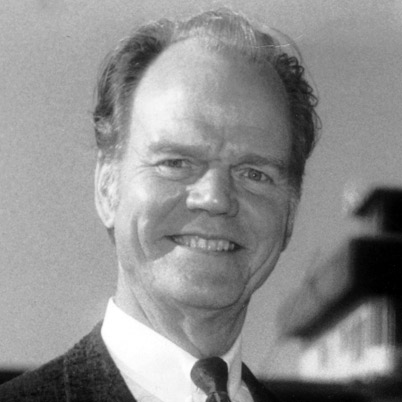
Paul reviews the week’s big stories here on Common Sense with Paul Jacob — and also reminisces about Paul Harvey. And ghosts of turkeys past.
On November 30, 1804, the United States House of Representatives began impeachment hearings against Supreme Court Justice Samuel Chase. The House thought he was too partisan, too “Federalist.”
The Senate later acquitted Chase.
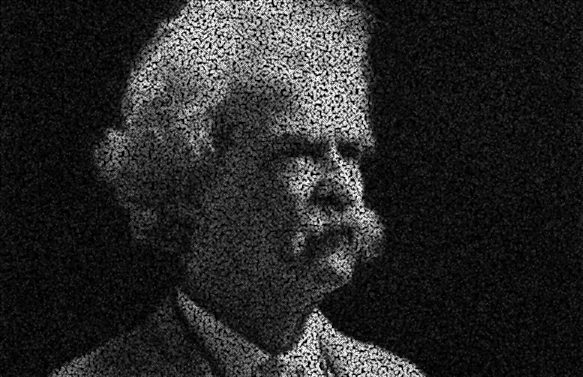
On 1835 on this date, Samuel Clemens was born, later to achieve world fame as author and humorist Mark Twain (pictured above). His most beloved books include The Adventures of Tom Sawyer (1876) and his masterpiece, Adventures of Huckleberry Finn (1885). He died in 1910.
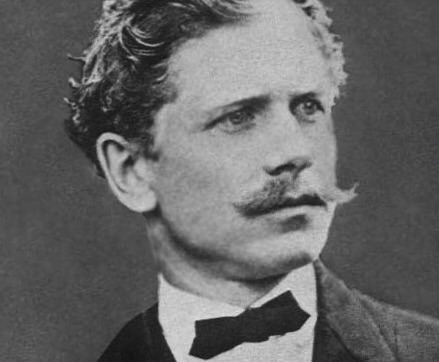
Ambrose Bierce, The Devil’s Dictionary (1911)
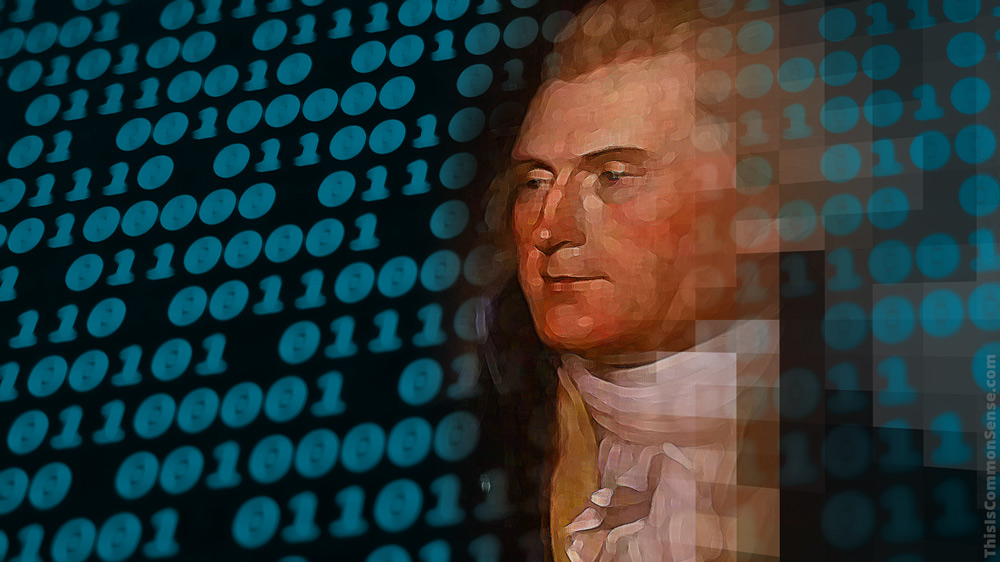
One thing for which I expressed gratitude, yesterday, was my site’s “Thought of the Day” feature, for it placed in original context a well-known maxim: “If your government is big enough to give you everything you want, it is big enough to take away everything you have.”
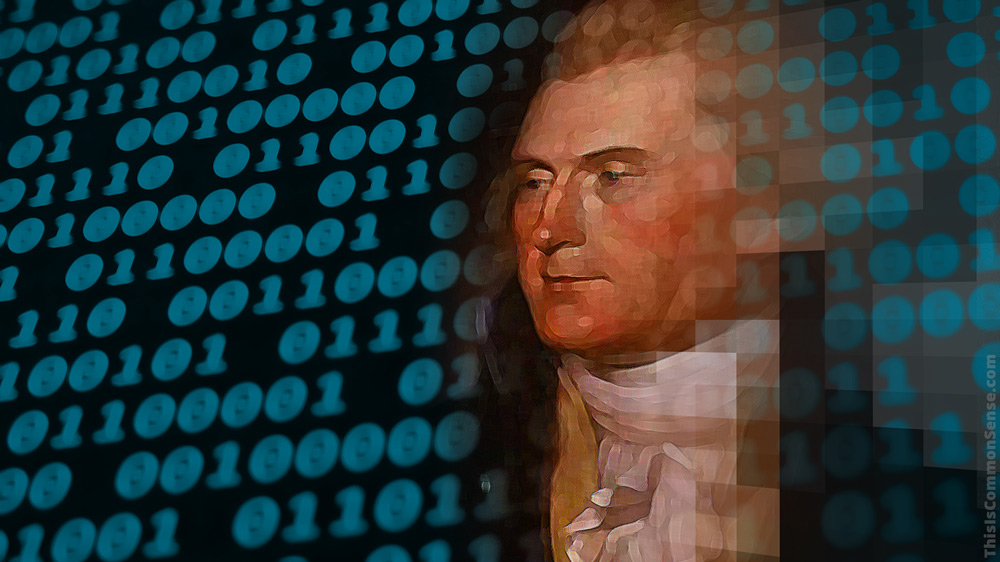
Thomas Jefferson is said to have written that. Back in 2005. Or more accurately, the year 2005 marks the first instance of those words being attributed to the Man from Monticello, according to research by the folks at Monticello.org.
Thank goodness that Mr. Jefferson has the wherewithal to still, hundreds of years after his death, provide erudite quotations to freedom-loving people.
Ah, the mysterious forces found on the Internet.
Yet, what the Internet gives . . . the Internet takes away. Seems another noteworthy American wrote those famed words in 1952 (half a century before a two-century deceased Jefferson).
That’s the rest of the story provided by Mr. Rest-of-the-Story himself, Paul Harvey. In his 1952 book, Remember These Things, the late, great radio commentator wrote to those tempted by government handouts and subsidies:
What have you got to lose, you say? Why shouldn’t I take their offer of free medicine, money for work I don’t do, or crops I don’t grow? Why not?
Here’s why not, and don’t ever forget this. “If your government is big enough to give you everything you want, it is big enough to take away everything you have.”
Some four decades later, in 1992, Harvey was at the pinnacle of the radio world, his program carried on 1,200 stations along with over 300 newspapers running his derivative weekly column. I was working for U.S. Term Limits to place ballot measures limiting the terms of politicians in Congress and state legislatures, when I received Mr. Harvey’s encouraging call asking about our campaign.
Mr. Jefferson?
He never calls; he never writes.
I guess he’s too busy online.
This is Common Sense. I’m Paul Jacob.
See all recent commentary
(simplified and organized)
See recent popular posts
Government is the great fiction through which everybody endeavors to live at the expense of everybody else.
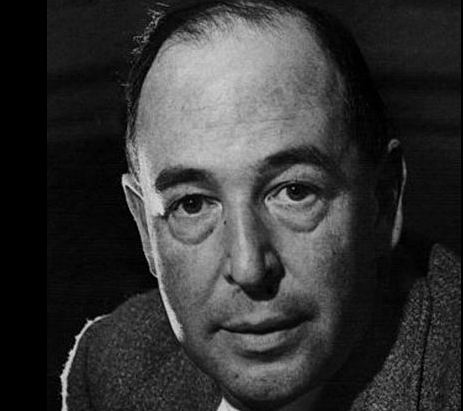
Irish-English medievalist, theologian, and novelist Clive Staples Lewis was born on November 29, 1898. Among his best known works are Out of the Silent Planet, The Problem of Pain, Miracles, and the “Narnia” fantasies for children. His retelling of the Psyche myth, Till We Have Faces, and political essays such as “The Humanitarian Theory of Punishment” and The Abolition of Man, will almost certainly stand the test of time.
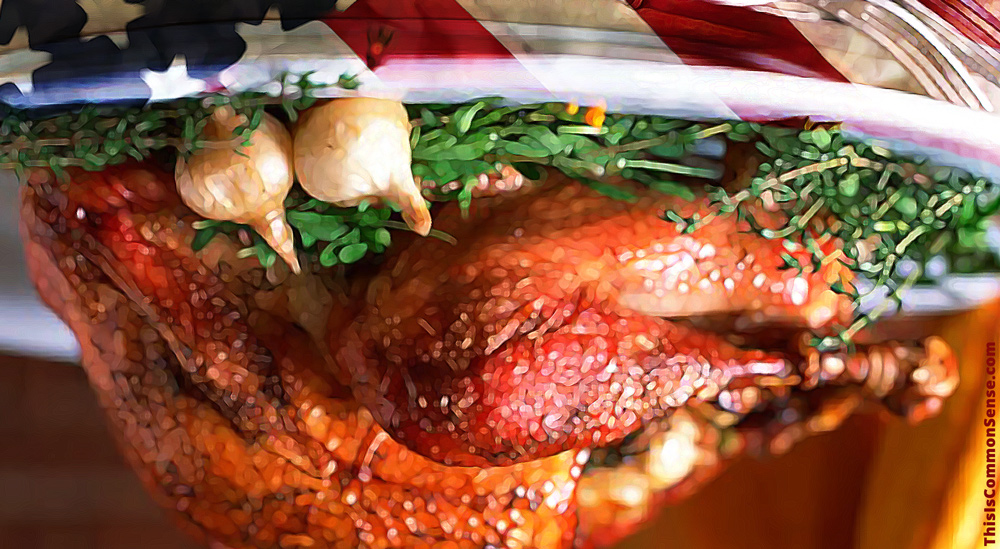
Though President Donald Trump has one of the best stand-up acts in America, his bit, on Tuesday, about the ‘traditional’ pardoning of turkeys, was not his best. But it was mildly amusing, and what the occasion required.
Now, I’ve written about this goofy tradition before: “For a photo-op,” I explained seven years ago, the president “saves the gift bird’s life, only to have another unpublicized turkey killed and then devoured behind closed doors.”
Gruesome? Bizarre? Or all-too-symbolic?
I suggested the latter, arguing that “the fake pardon symbolizes more than Washington insiders can comprehend.
In our nation’s capital, politicians
• argue for fiscal responsibility one minute and then plunge us further into debt the next,
• demand sacrifices from the people while living high on the hog, and
• decry the influence of special interests at press conferences and then deposit their checks at the bank.One famous turkey lives, thanks to the powerful public kindness of our potentate; another, unknown (no doubt “middle-class”) bird dies for the benefit of that same boss.
With Trump rather than Obama in office, that quip about class warfare falls a bit flat.
But our Stand-up-in-Chief was more topical:
The two turkeys, which he told us were named Bread and Butter, were raised “to remain calm under any condition,” he riffed, “which will be very important because they have already received subpoenas to appear in Adam Schiff’s basement.”
Not bad; worth a chuckle.
“It’s not the first time Trump has used the traditional turkey pardoning to make jokes about his political opponents,” USA Today informs us. But unfortunately the paper misquoted one of the president’s lesser quips.
“It seems the Democrats are accusing me of being too soft on turkeys,” USA Today tells us. But what Trump clearly says is “Turkey.” Yeah, just a pun.
Does that ‘land’?
Seems like a laid egg.
But on Thanksgiving we can pardon the president.
And even USA Today.
This is Common Sense. I’m Paul Jacob.
See all recent commentary
(simplified and organized)
See recent popular posts
What have you got to lose, you say? Why shouldn’t I take their offer of free medicine, money for work I don’t do, or crops I don’t grow? Why not?
Here’s why not, and don’t ever forget this. “If your government is big enough to give you everything you want, it is big enough to take away everything you have.”
Paul Harvey, Remember These Things (1952). This is the first known printing of the adage about big government. It has been attributed to many who have repeated it, including Gerald Ford, and misattributed to others who did not likely say it, including Thomas Jefferson.