Categories
Today

Stones

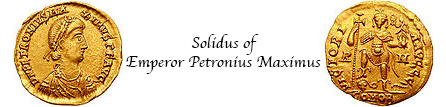
On May 31, 455 A.D., Emperor Petronius Maximus was stoned to death by an angry mob while fleeing Rome.

On that date in 1578, King Henry III laid the first stone of the Pont Neuf (New Bridge), the oldest bridge of Paris, France.

In other rock history, May 31, 2013, marked the closest approach to Earth that the asteroid 1998 QE2 and its moon will get until two centuries hence.

Categories
by Paul Jacob video

Watch: What the Heck Is Going On?

This Week in Common Sense for the final week of May, 2021:

Categories
Thought

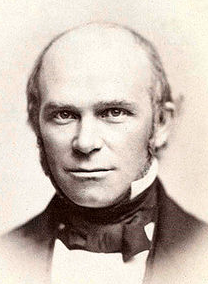
Theodore Parker

Theordore ParkerDemocracy is direct self-government, over all the people, for all the people, by all the people.

Categories
Today

Goddess?

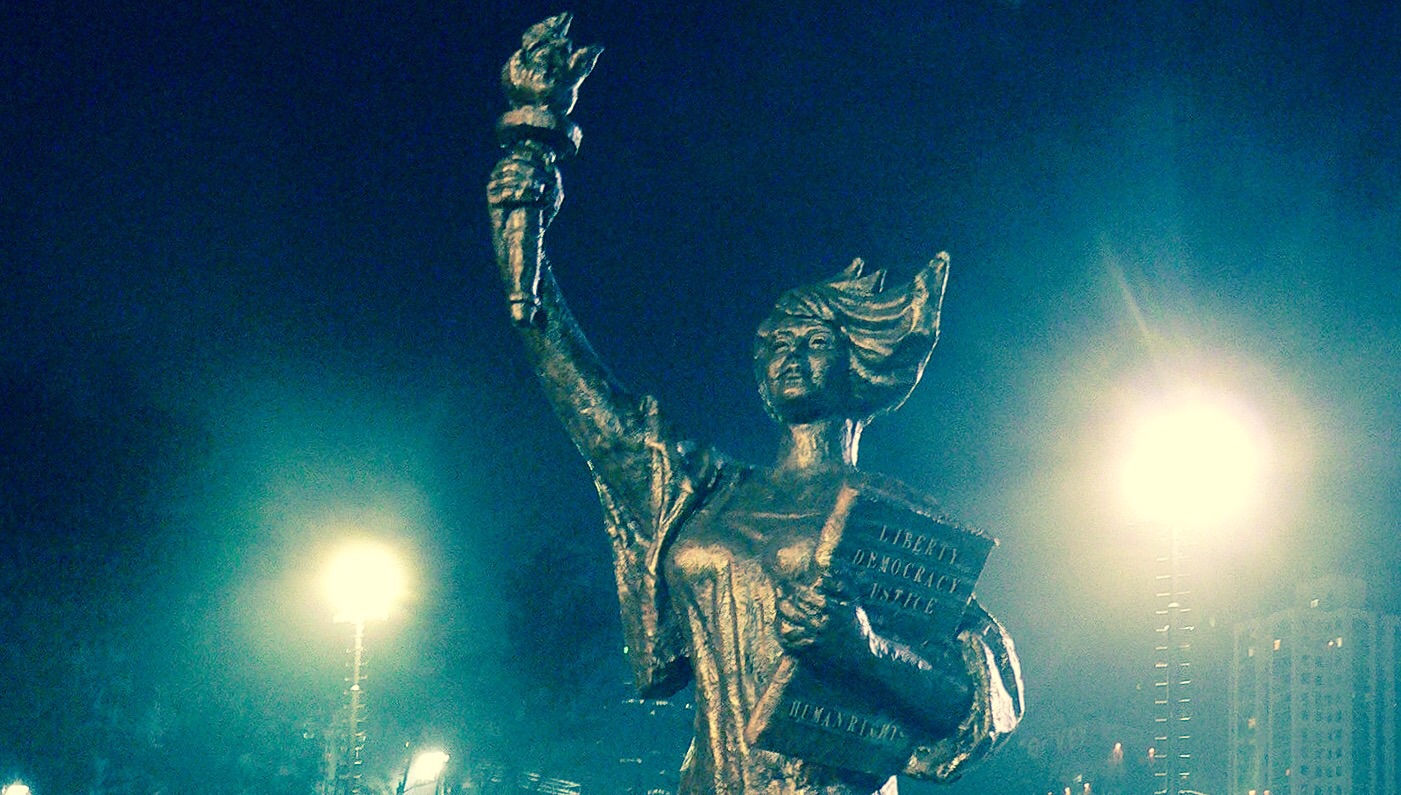
On May 30, 1989, student demonstrators unveiled a 33-foot high “Goddess of Democracy and Freedom” statue in Tiananmen Square.

Categories
audio podcast

Listen: What the Heck

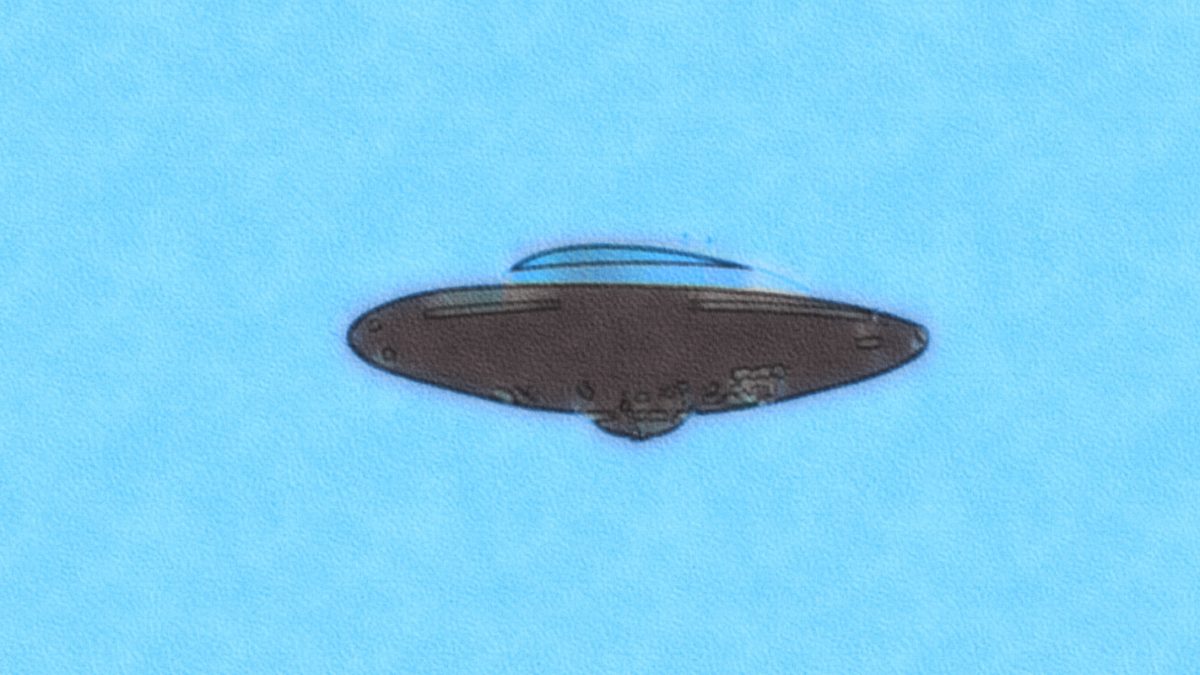
Paul covers China, UFOs, public schools, and other alien subjects that our major media lies about:

Categories
Thought

Bill Sardi

For most clueless Americans, the State is now their God and the US dollar is their faith proposition.  Modern Americans have never lived under the limited government spelled out in the Constitution.

Bill Sardi, “Did You Make a Conscious Choice To Be a Liberal, Conservative or Libertarian? Probably Not Where Are You in The Spectrum Of Political Thought?” LewRockwell.com (May 27, 2021).
Categories
Today

Rhode Island, Rite & Riot

On May 29, 1790, Rhode Island became the last of North America’s original Thirteen Colonies to ratify the Constitution, becoming one of the United States.

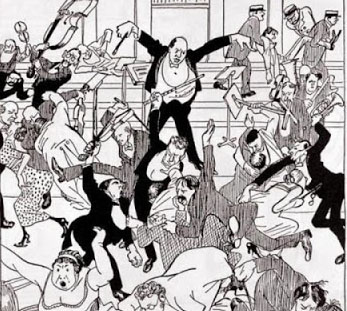
On the same in 1913, Igor Stravinsky’s ballet score The Rite of Spring received its premiere performance in Paris, France, provoking a riot.

Categories
education and schooling

The Interrogators

It’s the feel-good story of the year — or at least the year’s first five months.

In South Carolina, a man named Jovan Collazo, carrying an Army-issued rifle, hijacked a school bus. (This isn’t the feel-good part.)

Collazo wanted to go home. It’s unclear why he didn’t just thumb a ride or take a bus the old-fashioned way. But, whatever; criminals are not always the most rational actors.

Bus driver Kenneth Corbin says that 18 students, some in kindergarten, were scattered throughout the vehicle when the hijacker got on board. Captor Collazo decided that the best thing would be to group everybody toward the front so that he could keep a better eye on them.

Big mistake.

The regrouping laid the groundwork for what the UK Independent calls “incessant kindergarten questions” about Collazo’s background, motives, and intentions.

Rattled by the interrogation, he soon brought the bus to a halt, ordered everybody off, and tried to drive the bus himself. Not long after, he was arrested.

According to Corbin, Collazo “sensed more questions coming and I guess something clicked in his mind and he said, ‘enough is enough already.’”

That’s one way to escape a kidnapper. The strategy may not always work, obviously, but we can be glad it worked in this case.

Parents, the next time your toddlers pummel you with metaphysical queries about the universe, try to indulge the budding philosophers. 

Their expertise in the Socratic method may come in real handy one day.

This is Common Sense. I’m Paul Jacob.


PDF for printing

See all recent commentary
(simplified and organized)
See recent popular posts
Categories
Thought

Paul-Emile de Puydt

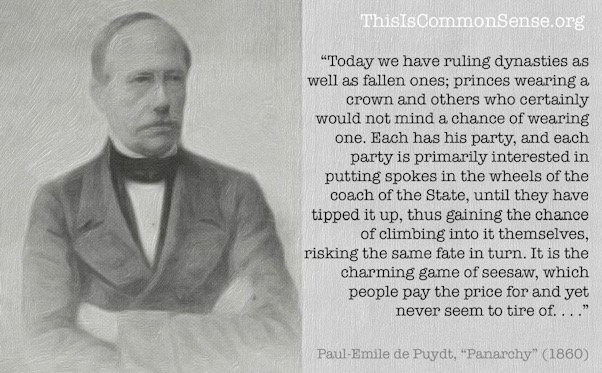
Today we have ruling dynasties as well as fallen ones; princes wearing a crown and others who certainly would not mind a chance of wearing one. Each has his party, and each party is primarily interested in putting spokes in the wheels of the coach of the State, until they have tipped it up, thus gaining the chance of climbing into it themselves, risking the same fate in turn. It is the charming game of seesaw, which people pay the price for and yet never seem to tire of. . . .

Paul-Emile de Puydt, “Panarchy” (1860).
Categories
Today

Greek voters

On May 28, 1952, the women of Greece gained the right to vote.