Nothing is so common as to imitate one’s enemies, and to use their weapons.
Voltaire, “Oracles” (1770), Questions sur l’Encyclopédie (1770–1774).
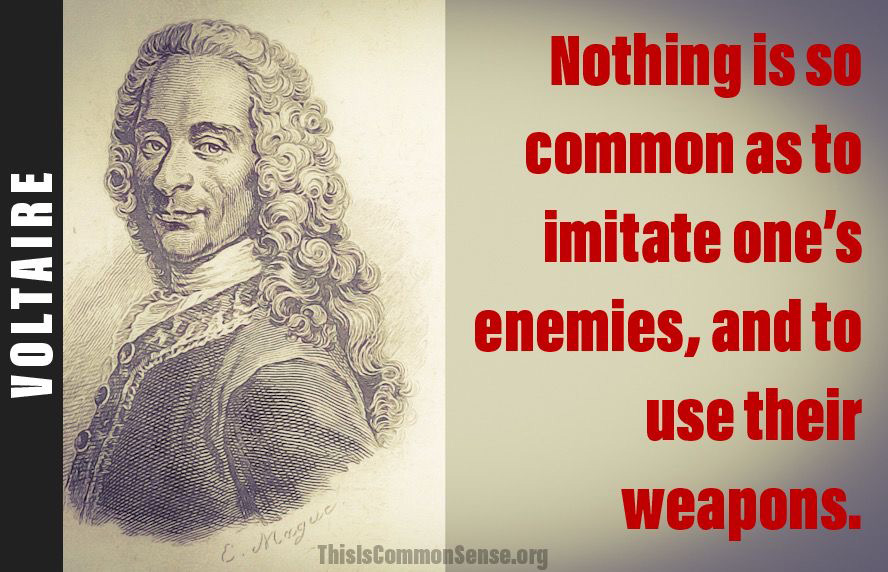
Nothing is so common as to imitate one’s enemies, and to use their weapons.
Voltaire, “Oracles” (1770), Questions sur l’Encyclopédie (1770–1774).

On November 21, 1620, Plymouth Colony settlers signed the Mayflower Compact.
On this day in 1922, Rebecca Latimer Felton of Georgia took the oath of office, becoming the first female United States Senator.
November 21st birthdays include:
1694 – Voltaire, French philosopher (d. 1778) — portrait above.
1729 – Josiah Bartlett, American signer of the Declaration of Independence (d. 1795).
1870 – Alexander Berkman, anarchist (d. 1936), who shot but did not kill industrialist Henry Clay Frick.

The two pieces deserve careful study of how American media primes its center-left readership to fall in line with its ideological poses. Sad that I cannot provide that careful study, here; but happy for the occasion to probe the issues laid bare in these two less-than-stellar election coverages.
A decent profile of Argentina’s new president would inquire more honestly and deeply into just how badly Peronism and Kirchnerism have wounded the inflation-ridden South American country, and with less prejudice explore the actual beliefs of president-elect Javier Milei. Then, and only then, would they figure out why Milei’s been so successful.*
Against all previously determined odds.
For whatever else one may say about Milei, he’s not only the most thoroughly and vehemently anti-leftist politician in the world, but also the most thoroughly successful libertarian one.
Which is why the Times tries to make him sound “right-wing.” The factuality of the characterization is merely Milei’s fervent anti-socialism. But the comedy of the characterization is that, in previous times, North American leftists have characterized Peronism, which Milei opposed, as right-wing. So how does the “far right” win for defeating “far-right fascism,” as we used to think of Argentine mainstream politics?
This is a dance of misdirection, of course.
Truth is, Milei’s the ultimate outsider, making Trump seem insider-ish by comparison.
Our miseducating media doesn’t want you to consider that!
This is Common Sense. I’m Paul Jacob.
* Javier Milei’s victory margin was “the widest since Argentina’s return to democracy in 1983.”
Illustration created with Midjourney and Firefly
See all recent commentary
(simplified and organized)
See recent popular posts
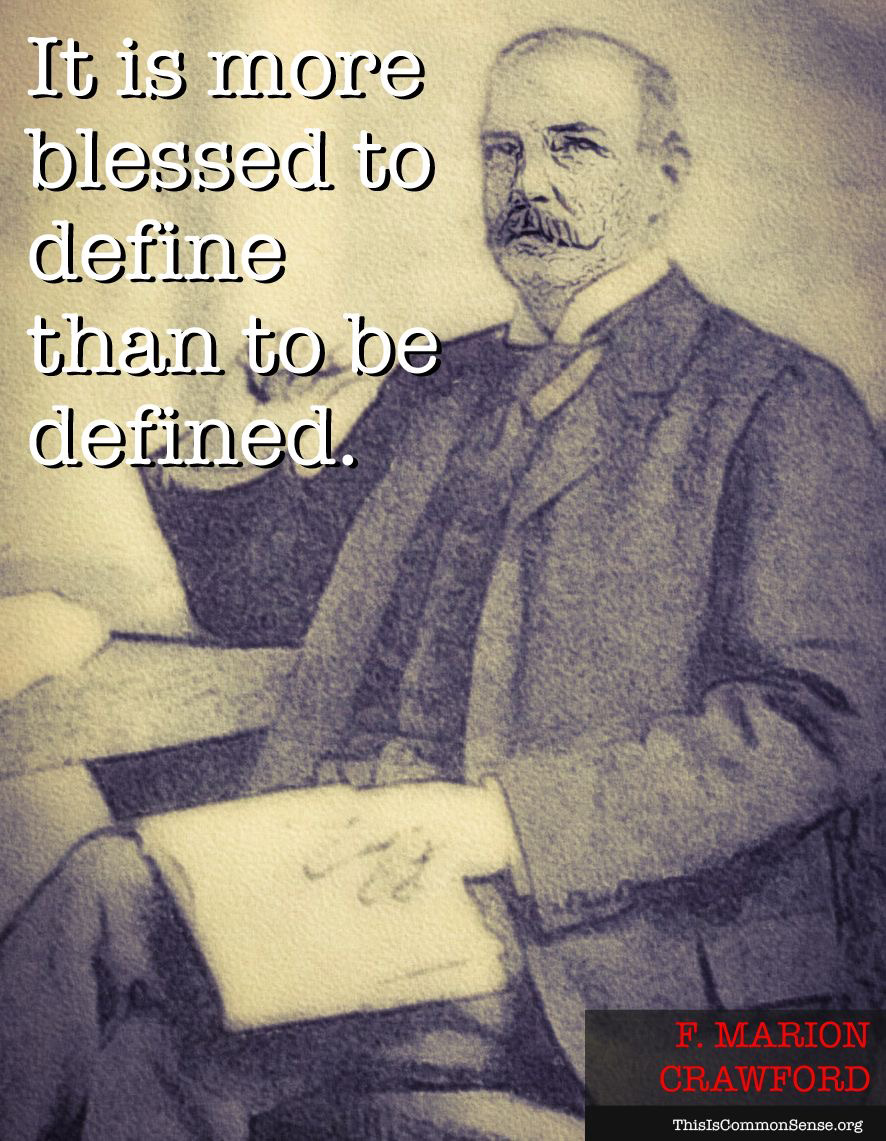
It is more blessed to define than to be defined.
F. Marion Crawford, Don Orsini (1892). See also Thomas Szasz on defining others.

On November 20, 1789, New Jersey became the first U.S. state to ratify the Bill of Rights.
In 1805 on this date, Ludwig van Beethoven’s only opera, Leonore, oder Der Triumph der ehelichen Liebe (in English, Leonore, or The Triumph of Marital Love, later renamed Fidelio), premiered in Vienna. Beethoven wrote four overtures for the opera, all part of the orchestra’s concert repertoire. The opera tells the tale of the rescue from unjust imprisonment of Florestan by his wife Leonore, who disguises herself as a boy, Fidelio.

The grey eminence looming over San Francisco is Xi Jinping?

Nothing is more uncertain than the result of any one throw; few things more certain than the result of many throws. When applied to human life, the law of averages exhibits many striking results.
James A. Garfield, ”Effects of The Rebellion on Southern Life Insurance Contracts : Argument made before the Supreme Court of the United States in the Cases of the New York Life Insurance Company v. Statham et al. and the Same v. Charlotte Seyms.“ (April 26, 1876)

On November 19, 1863, President Abraham Lincoln delivered the Gettysburg Address at the ceremonial dedication of the military cemetery in Gettysburg, Pennsylvania, appropriating an old phraseology for republican government — “of the people, by the people, for the people” — and giving it its most memorable usage.
On the same date in 1955, National Review published its first issue.

No swearing, I swear:
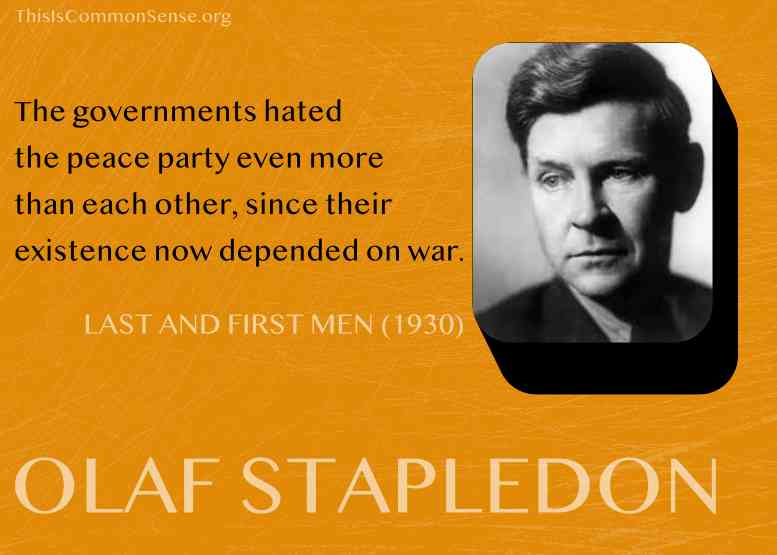
The governments hated the peace party even more than each other, since their existence now depended on war.
Olaf Stapledon, Last and First Men (1930).