On December 28, 1832, John C. Calhoun resigned as Vice President of the United States, the first to do so.
Categories
On December 28, 1832, John C. Calhoun resigned as Vice President of the United States, the first to do so.
On December 27, 1657, a group of English citizens in Flushing, New York, who were not themselves Quakers, signed a petition protesting the persecution of Quakers, a document that has become known as the Flushing Remonstrance. An eloquent statement of the principle of religious liberty, it is widely regarded as a forerunner to the U.S. Constitution’s First Amendment.
The petition was delivered to Director-General of New Netherlands, Peter Stuyvesant.
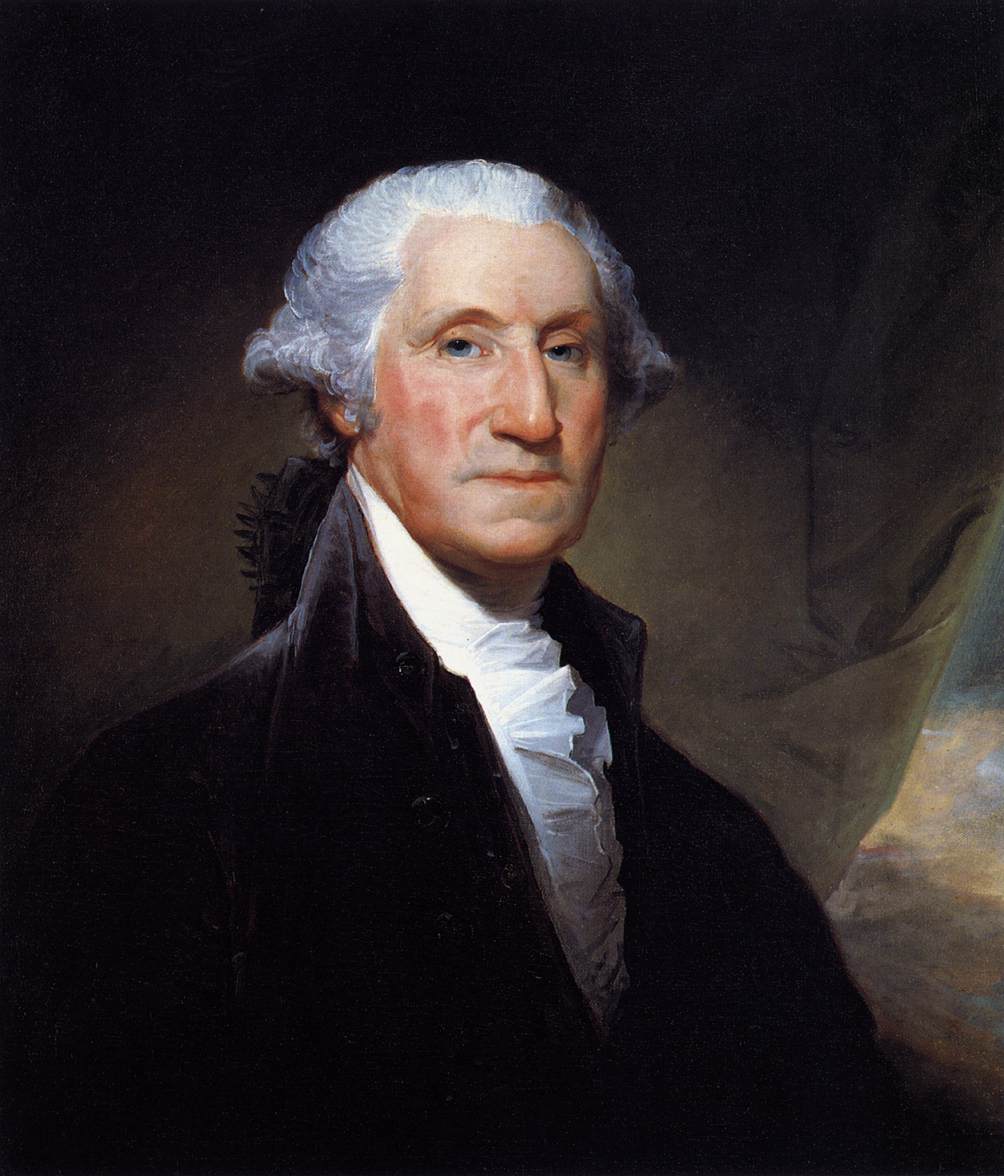 On December 26, 1799, four thousand people attended George Washington’s funeral where Henry Lee III honored him as “first in war, first in peace and first in the hearts of his countrymen.”
The Decembrist revolt againt Tsar Nicholas I occurred on the 26th of December in 1825. It was, alas, put down. Later revolts would prove less liberty-minded, more communist, and far bloodier.
On Christmas night, 1776, General George Washington led a column of the Continental Army across the icy Delaware River to attack Hessian forces stationed at Trenton, New Jersey. The difficult raid, which took place in the early hours the day after Christmas, was a success — and an early, celebrated victory in the Revolutionary War.
On Christmas Day in 1991, Mikhail Gorbachev resigned as president of the Soviet Union. Ukraine’s referendum was also finalized and Ukraine officially left the Soviet Union.
The Soviet Union itself dissolved the next day, in what might be described as the “best belated Christmas present ever.”
On December 25, 1910, economist Rose Director Friedman was born. She may be best known as the wife of Nobel Laureate economist Milton Friedman, and co-author with her husband of the bestseller “Free to Choose.”
On December 24, 1818, the first performance of “Silent Night” took place in the church of St. Nikolaus in Oberndorf, Austria. Father Joseph Mohr had written the lyrics some time earlier, commissioning nearby schoolteacher and organist, Franz Xavier Gruber, to compose a melody appropriate for guitar accompaniment. It is one of the world’s most recognizable songs, and a favorite Christmas carol.
Christopher Buckley, author of the satirical novels “Thank You For Smoking” and “Supreme Courtship,” was born on Christmas Eve, 1952
On December 23, 1783, George Washington resigned as commander-in-chief of the Continental Army, at the Maryland State House in Annapolis, Maryland.
On December 22, 1989, Communist President of Romania Nicolae Ceaușescu was overthrown by Ion Iliescu after days of bloody confrontations. The deposed dictator and his wife fled Bucharest with a helicopter as protesters erupted in cheers.
 On December 20, 1740, Arthur Lee — Revolutionary Era diplomat, spy, and Virginia delegate to the Continental Congress — was born. He practiced law in London from 1770 to 1776, where he wrote polemics against slavery and in defense of the American colonies’ resistance to the Townshend acts and other tyrannical British policies. He was brother to Richard Henry Lee and Francis Lightfoot Lee.
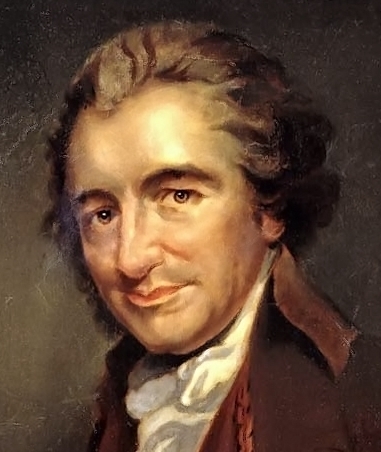 On December 19, 1776, Tom Paine published one of a series of pamphlets in the Pennsylvania Journal titled The American Crisis. Exactly one year later, George Washington’s Continental Army went into winter quarters at Valley Forge, Pennsylvania.
On December 19, 1828, Vice President of the United States John C. Calhoun penned the South Carolina Exposition and Protest, protesting the Tariff of 1828, a key moment in what became known as the Nullification Crisis.
On December 18, 1777, the United States celebrated its first official Thanksgiving, marking the recent October victory by the Americans over General John Burgoyne in the Battle of Saratoga.