Categories
Thought

Irving Kristol

The inner spiritual chaos of the times, so powerfully created by the dynamics of capitalism itself, is such as to make nihilism an easy temptation. A ‘free society’ in Hayek’s sense gives birth in massive numbers to ‘free spirits’ — emptied of moral substance but still driven by primordial moral aspirations. Such people are capable of the most irrational actions. Indeed, it is my impression that, under the strain of modern life, whole classes of our population — and the educated classes most of all — are entering what can only be called, in the strictly clinical sense, a phase of infantile regression. With every passing year, public discourse becomes sillier and more petulant, emotions become, apparently, more ungovernable. Some of our most intelligent university professors are now loudly saying things that, had they been uttered by one of their students twenty years ago, would have called forth gentle and urbane reproof.


Irving Kristol, “‘When virtue loses all her loveliness’ — some reflections on Capitalism and ‘the free society,’” National Affairs, No. 21, Fall 1970.
Categories
Today

Kristol

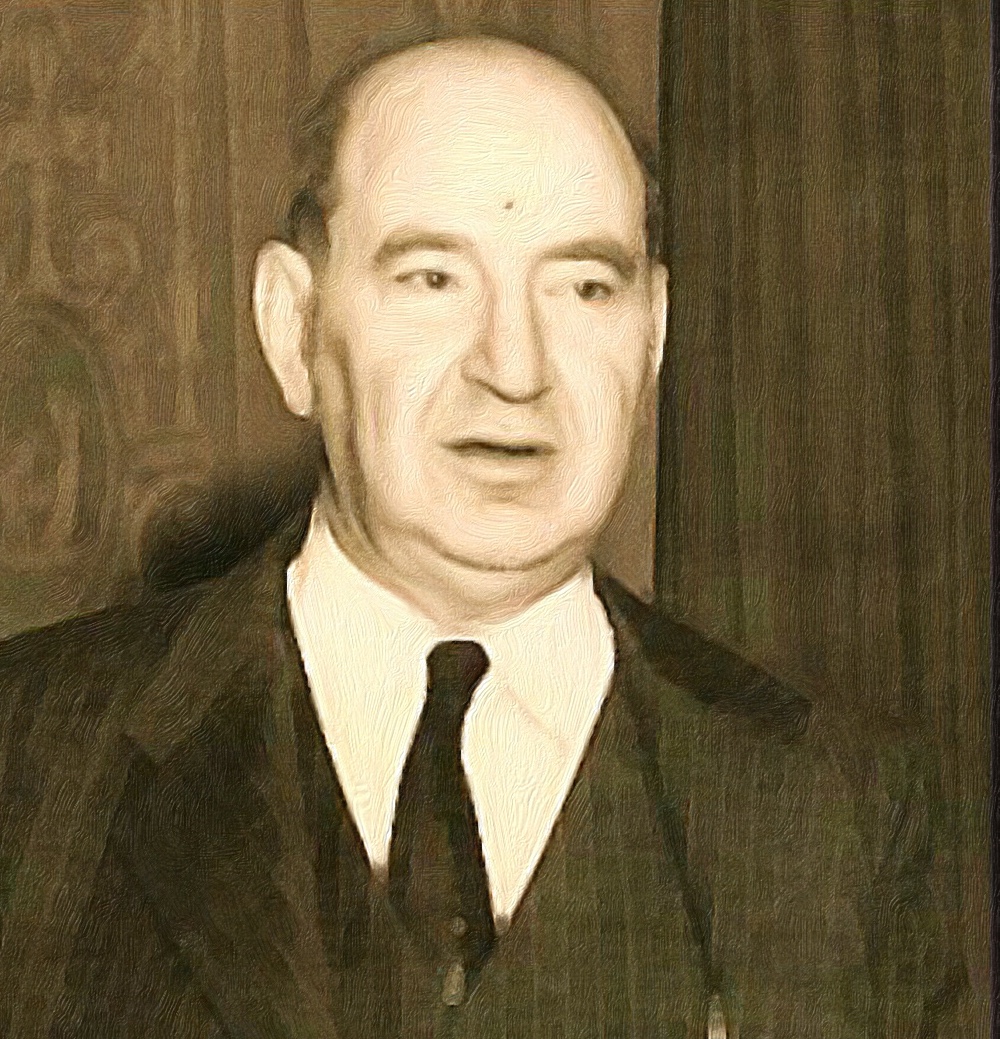
On January 22, 1920, American neoconservative pundit and author Irving Kristol was born.

Categories
Thought

F. A. Hayek

A claim for equality of material position can be met only by a government with totalitarian powers.

Categories
links

Townhall: Afghanistan First

Over at Townhall.com, war is waged against death and madness. Click over, come back. Let Common Sense be your guide….

Categories
Thought

Frank Chodorov

Everybody who objects to injustice does so on the ground that these practices violate some principle of justice which is above human will. This is so even when authority for justice, or equality among men, is found in the ‘dignity of the individual’; for that phrase is just as metaphysical as the ‘nature of things.’

Categories
Today

Witness

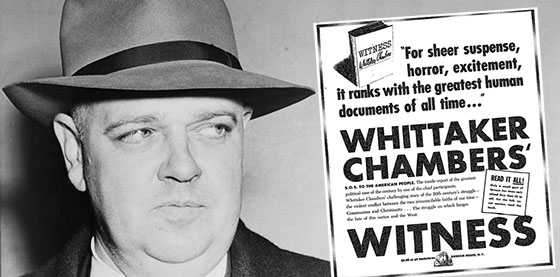
On January 21, 1950, Alger Hiss was convicted of perjury, with Whittaker Chambers being the main witness in Hiss’s prosecution. Chambers confessed to having been a Soviet spy, and accused Hiss as an accomplice, which Hiss denied to his dying day. Chambers gave a fascinating account of all this in his bestselling memoir, Witness.

Categories
video

This. There Is This. The Interview to End All Interviews.

Dr. Jordan Peterson was “interviewed” on BBC’s Channel 4 News. More like an absurdist’s inquisition, it has become notorious. If you have missed it, watch it now:

Carl “Sargon of Akkad” Benjamin gives a play-by-play game summary:

http://youtu.be/PXJeghw-cRk

Ben Shapiro weighs in, too:

http://youtu.be/8EKyIW-jspM

Scott Adams discusses cognitive dissonance and “hallucinations”:

The interview is “all over the Internet,” and you can find lots of video breakdowns and articles. Indeed, an article on Quilette does a great job putting the whole issue into context.

This train wreck of an interview — with only the interviewee coming out unharmed — calls to mind some past collisions where ideologies meet ingloriously. Here is Cenk Uygur’s interview of anti-feminist researcher Karen Straughan:

And here is the granddaddy of them all, the infamous Bill Buckley/Gore Vidal snipefest from 1968:

http://youtu.be/ZY_nq4tfi24

Categories
Thought

Ayn Rand

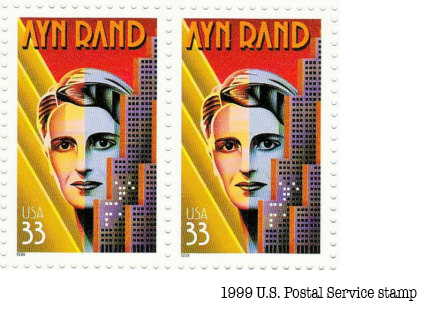
An individualist is a man who says: ‘I’ll not run anyone’s life — nor let anyone run mine. I will not rule nor be ruled. I will not be a master nor a slave. I will not sacrifice myself to anyone — nor sacrifice anyone to myself.’

Ayn Rand, Textbook of Americanism (1946).

Categories
Today

ACLU

On January 20, 1920, the American Civil Liberties Union was founded.

Categories
Today

Lysander Spooner

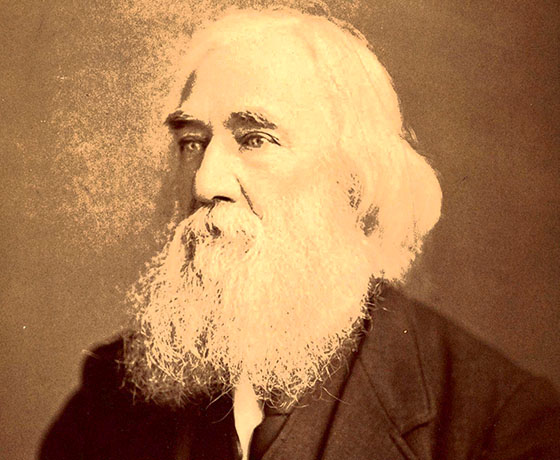
On January 19, 1808, Lysander Spooner was born.

Spooner’s achievements in American life, law, and political philosophy, are among the most colorful of the 19th century. Studying law privately, he sued to practice without joining the bar, and won the suit. He set up a postal service that directly competed with the United States Postal Service, delivering mail at a fraction of the cost. He wrote The Unconstitutionality of Slavery, and convinced noted Garrisonian abolitionist Frederick Douglass of his argument. (The book became the centerpiece of intellectual ammunition for the Free Soil Party.) Later in life Spooner turned against constiutionalism itself, and penned some of the most radical political works of his day, including Vices Are Not Crimes and The Constitution of No Authority. Spooner also clearly articulated a “jury nullification” position in his classic treatise Trial by Jury.