 A tax can never be favorable to the public welfare, except by the good use that is made of its proceeds.
Categories
The key issue of last week’s great Rand Paul filibuster was not drone technology, as such, but whether those who run the government will accept the rules of the Constitution. That’s the message from Yours Truly this week on Townhall. Read the column, then come back here for some more links to further facts and opinion.
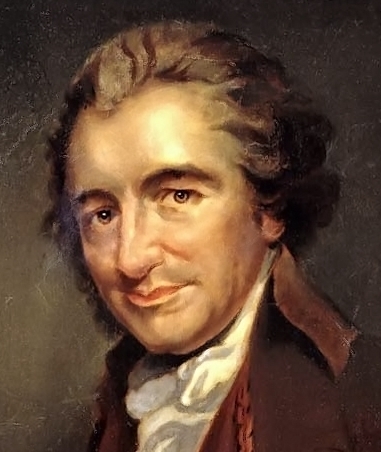 There is something exceedingly ridiculous in the composition of monarchy; it first excludes a man from the means of information, yet empowers him to act in cases where the highest judgment is required.
Let’s put some context to Rand Paul’s concerns about checks and balances vis-a-vis drone strikes. Robots have entered the battlefield. And are about to buzz and boom big time. The future — even the present — is science-fictional.
It is pleasant to observe by what regular gradation we surmount the force of local prejudice as we enlarge our acquaintance with the world.
Americans eager to weaken various limits on political power here at home should pay closer attention to news from abroad.
Around the globe, killing presidential term limits is high on the to-do list of aspiring presidents-for-life.
Autocrats also dislike the right of citizen initiative. Even when they abstain from trying to kill initiative rights altogether, they often seek outrageous restrictions on them, or even stoop to harassing petitioners and voters.
One such enemy of the people was Venezuelan strongman Hugo Chávez, now dead. Chávez was an equal-opportunity attacker of citizen rights. He expropriated businesses, bullied media, once even ordered soldiers to fire on anti-Chávez protesters (they refused). He also succeeded in eliminating presidential term limits.
In 2003, his government arranged for the public release of the names of Venezuelans who had signed a petition to recall Chávez. The names were stolen from the office charged with overseeing the petition drive and leaked to a pro-Chávez legislator, who then published them on his website. Many signers lost jobs, loans, and other opportunities controlled by the state.
American foes of term limits, initiative rights, and other constraints on concentrated power may think there’s no comparison. But every chipping away at protections against tyranny is dangerous.
While it is true that no single limit on power can substitute for all the cultural values and ideas that underlie our rights as free citizens, it is also the case that institutions and culture reinforce each other. The foundation of a building has more than one cornerstone.
This is Common Sense. I’m Paul Jacob.
When we are planning for posterity, we ought to remember that virtue is not hereditary.
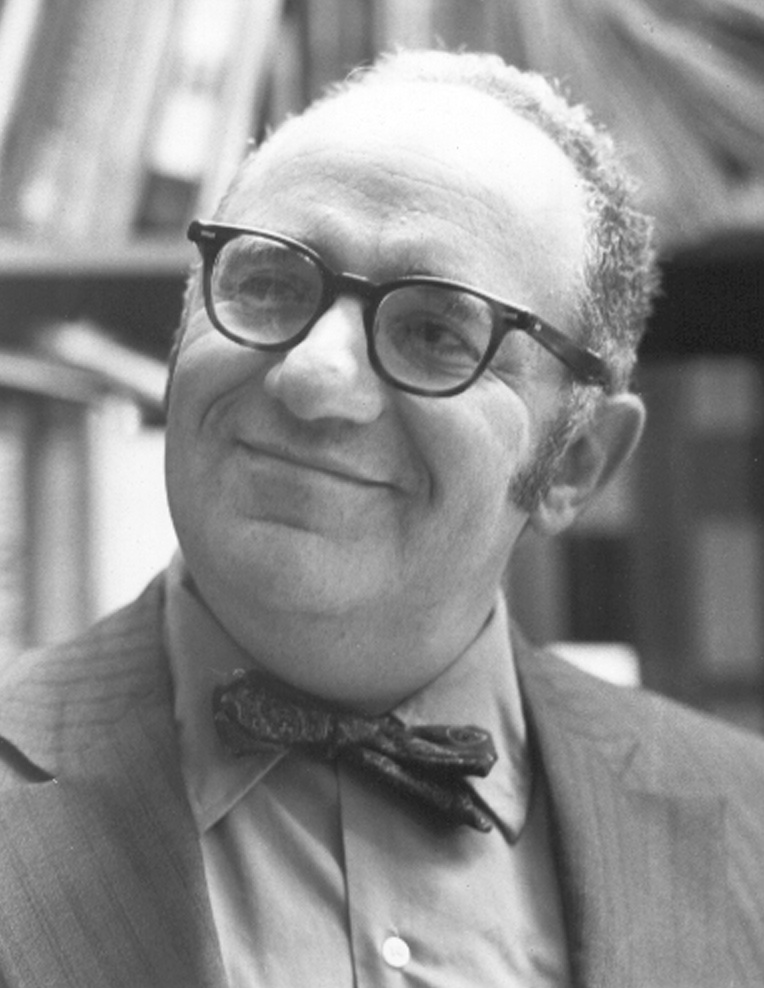 Shameless sponging on friends and relatives … [Karl] Marx affected a hatred and contempt for the very material resource he was too anxious to cadge and use so recklessly. Marx created an entire philosophy around his own corrupt attitudes toward money.
For my birthday, Sen. Rand Paul started a filibuster.
I jest. The junior senator from Kentucky had something more important than my big day on his mind: the U.S. Constitution.
At 11:47AM, Sen. Paul took the floor: “I rise today to begin to filibuster John Brennan’s nomination for the CIA. I will speak until I can no longer speak. I will speak as long as it takes.”
I didn’t watch all of his endeavor (yet). What I did catch was amazingly eloquent.
It was also very specific. The Kentucky senator had asked candidate Brennan not one but two substantial lists of questions regarding the drone strike program. He also asked the Obama Administration whether the president thinks he has the constitutional right to use drone strikes against non-combatant Americans on American soil. Brennan had answered well enough, but left the administration to answer for itself. Attorney General Eric Holder responded, later, evasively.
And so Rand Paul took to the floor. And spoke at length — without teleprompter. He was joined, later, by Democratic Senator Ron Wyden. And then some Republicans, including Mike Lee, Ted Cruz, and Marco Rubio.
Though Rand Paul’s office had started a Twitter hashtag, #filiblizzard. It didn’t take off. Instead, #StandWithRand became the international trending topic.
The world watched.
But filibusters have to end. About 13 hours in, Rand Paul did end it, though not before insisting that, with regard to our rights, compromise is very, very bad: “The Fifth Amendment is not optional.”
If this filibuster solidified that constitutional principle, what a present that would be — and not just to me, but to all Americans. And the world.
This is Common Sense. I’m Paul Jacob.
It is not the business of the law to make anyone good or reverent or moral or clean or upright.